
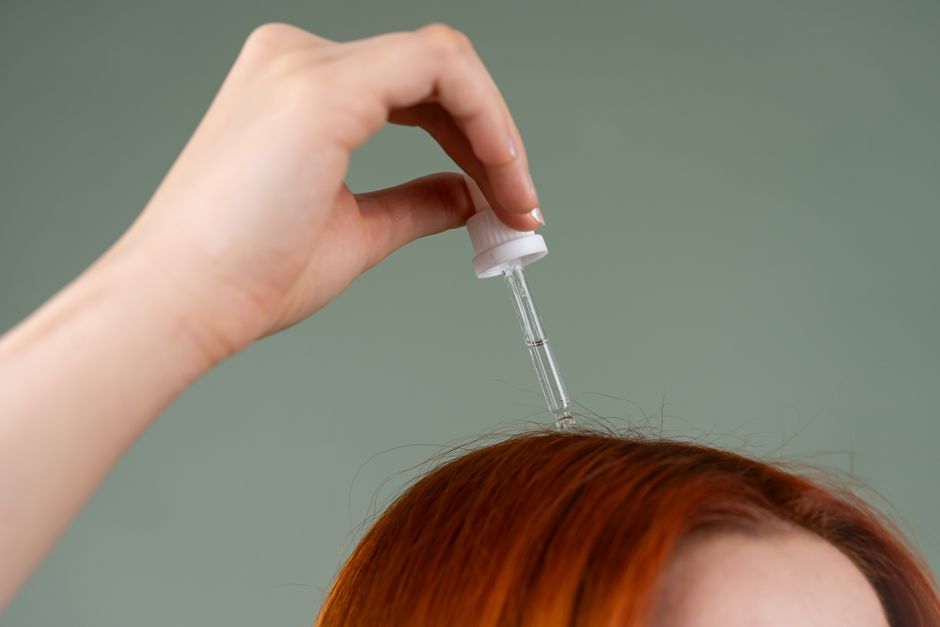
An itchy scalp and hair loss often happen together because the same conditions that irritate the scalp can also damage hair follicles. The most common causes are seborrheic dermatitis (dandruff), scalp psoriasis, fungal infections like tinea capitis, contact reactions to hair products, and a condition called folliculitis. When inflammation, scratching, or infection affects the follicle, hair can shed or break — sometimes temporarily, sometimes permanently if scarring develops.
What Causes An Itchy Scalp And Hair Loss?
The link between itching and shedding usually comes down to inflammation at the follicle level. Hair grows from a tiny pocket in the skin called a follicle. When that area becomes inflamed, infected, or repeatedly scratched, the normal growth cycle can be disrupted.
Several distinct conditions can produce this combination. They differ in how they look, where they appear, and how they are treated.
- Seborrheic dermatitis — flaking, greasy yellow scales, most often on the scalp, eyebrows, and sides of the nose. Itching is common. Mild temporary shedding can occur during flares.
- Scalp psoriasis — thick silvery scales with red patches, often extending past the hairline. Itching can be intense. Hair loss is usually temporary but can become permanent if the scalp is severely affected for a long time.
- Tinea capitis — a fungal infection of the scalp. More common in children but can affect adults. Causes scaling, itching, and patches of broken hair.
- Contact dermatitis — a reaction to hair dye, shampoo, or styling products. Produces itching, redness, and sometimes shedding at the site of contact.
- Folliculitis — inflammation or infection of the hair follicles themselves. Small bumps, itching, and tenderness around individual follicles.
- Lichen planopilaris — a less common inflammatory condition that can cause permanent scarring and hair loss. Itching and burning are typical.
Each of these has a different mechanism. Seborrheic dermatitis is driven largely by an immune reaction to a yeast that normally lives on the scalp. Psoriasis involves an overactive immune response that speeds up skin cell turnover. Tinea capitis is an actual infection. Contact dermatitis is an allergic or irritant reaction. The treatments do not overlap much.
Why Does Scratching Make Hair Loss Worse?
Scratching damages the skin and the follicles beneath it. This is not just a matter of being gentle — the mechanical trauma of repeated scratching can pull hair out at the root and inflame the follicle further.
When you scratch, you break the skin barrier. That allows bacteria to enter and can turn a mild irritation into an infection. The inflammation that follows can push hair follicles into a resting phase prematurely, a process called telogen effluvium. Hair then sheds a few months later.
There is also a direct physical effect. Hair that is already weakened by inflammation or infection breaks more easily when rubbed or pulled. This is why people with an itchy scalp often notice more hair on their pillow or in the shower — some of it is shedding from the follicle, and some is simple breakage.
The itch-scratch cycle is hard to break because scratching temporarily relieves the itch by overriding the sensation with pain signals. But it makes the underlying problem worse. Treating the cause of the itch is the only way to stop the cycle.
How Do You Tell These Conditions Apart?
The appearance and location of the scaling and itching usually point to the cause. A doctor or dermatologist can often distinguish between them by looking closely at the scalp, and sometimes by taking a small sample of skin or hair for testing.
Here is a general comparison. This is not a diagnostic tool — it is a guide to what clinicians look for.
| Condition | Typical Appearance | Itch Level | Hair Loss Pattern |
|---|---|---|---|
| Seborrheic dermatitis | Greasy, yellowish scales; redness | Mild to moderate | Diffuse, temporary |
| Scalp psoriasis | Thick silvery scales; well-defined red patches | Moderate to severe | Patchy, usually temporary |
| Tinea capitis | Scaly patches; broken hairs; sometimes pus | Variable | Patchy, with broken hairs at scalp level |
| Contact dermatitis | Redness, swelling, itching at contact sites | Moderate to severe | Localized to area of contact |
| Folliculitis | Small red bumps or pustules around follicles | Mild to moderate | Can be patchy if follicles are damaged |
| Lichen planopilaris | Smooth, shiny patches where hair has been lost; redness around remaining follicles | Often burning more than itching | Permanent scarring in affected areas |
One non-obvious point: dandruff and seborrheic dermatitis are not the same thing, though they exist on a spectrum. Dandruff is flaking without significant inflammation. Seborrheic dermatitis involves redness and inflammation. The line between them is somewhat arbitrary, and treatment is similar.





When Should You See A Doctor?
See a doctor if hair loss is patchy, if you can see smooth shiny areas where hair no longer grows, or if the scalp is red, swollen, or painful. These signs suggest scarring alopecia or infection, both of which need medical treatment.
Also see a doctor if over-the-counter dandruff shampoos have not helped after several weeks of regular use. That suggests the diagnosis may be wrong or the condition needs prescription treatment.
Tinea capitis requires oral antifungal medication. Topical treatments alone do not cure it because the infection is inside the hair shaft and follicle. This is one of the few cases where the treatment must be systemic.
Lichen planopilaris and other scarring alopecias need to be diagnosed early. Once scar tissue forms, hair cannot regrow in that area. Treatment aims to stop the inflammation and prevent further loss.
What Actually Helps An Itchy Scalp With Hair Loss?
Treatment depends entirely on the cause. There is no single shampoo or supplement that fixes all of these conditions, and anyone who claims otherwise is selling something.
For seborrheic dermatitis and dandruff, medicated shampoos containing ketoconazole, selenium sulfide, zinc pyrithione, or coal tar are standard. These are available over the counter in various strengths. Prescription-strength options exist for stubborn cases. The key is to use them consistently and leave them on the scalp for the time directed on the label — not just lather and rinse.
For scalp psoriasis, treatment often includes topical corticosteroids, vitamin D analogs, or coal tar preparations. Severe cases may need systemic medications or biologics. Hair loss from psoriasis usually regrows once the inflammation is controlled, but this can take months.
For contact dermatitis, the fix is to stop using the product causing the reaction. This sounds obvious, but it can be hard to identify the culprit. Hair dyes, shampoos, conditioners, and styling products are all common triggers. A dermatologist can help narrow it down with patch testing.
For folliculitis, mild cases may resolve with antibacterial washes. More persistent cases may need topical or oral antibiotics. If a fungus is involved, antifungal treatment is needed instead.
For tinea capitis, oral antifungal medication is required. Topical treatments do not reach the infected hair follicle.
For lichen planopilaris and other scarring alopecias, treatment aims to stop the inflammatory process. Options include topical or injectable corticosteroids, oral medications that suppress the immune system, and other anti-inflammatory drugs. Response varies, and some people continue to lose hair despite treatment.
No clinical guidelines currently exist for treating these conditions in pregnant women or infants with a one-size-fits-all approach. Anyone in those groups should speak with a doctor before using medicated shampoos or other treatments.
Can Diet Or Supplements Fix An Itchy Scalp?
No. There is no evidence that any diet or supplement treats the conditions that cause an itchy scalp with hair loss. This is marketing, not medicine.
That said, severe nutritional deficiencies can affect hair. Iron deficiency, zinc deficiency, and low vitamin D have all been associated with hair shedding in some studies. But the evidence is mixed, and correcting a deficiency that does not exist will not help. If you suspect a deficiency, get tested rather than guessing.
Some people report that certain foods trigger their seborrheic dermatitis or psoriasis flares. The evidence for specific dietary triggers is limited and varies from person to person. If you notice a pattern, it is reasonable to discuss it with your doctor. But there is no established diet that treats these conditions.
Does Stress Cause An Itchy Scalp And Hair Loss?
Stress can contribute to hair shedding, but it does not directly cause an itchy scalp. The relationship is indirect.
Psychological stress can push hair follicles into a resting phase, leading to a type of shedding called telogen effluvium. This typically appears two to three months after a stressful event. The hair usually regrows once the stress resolves. It does not cause itching on its own.
Stress can also worsen existing skin conditions. People with psoriasis or eczema often report flares during stressful periods. The mechanism is not fully understood, but stress hormones and the immune system are involved.
If you have both itching and shedding, the itch is more likely coming from a scalp condition than from stress alone. Treating the scalp condition is the first step.
Frequently Asked Questions
What causes an itchy scalp and hair loss at the same time?
The most common causes are seborrheic dermatitis, scalp psoriasis, fungal infections, contact dermatitis, and folliculitis. These conditions inflame the hair follicle, which can disrupt hair growth and lead to shedding or breakage.
Can an itchy scalp cause permanent hair loss?
Most itchy scalp conditions cause temporary hair loss that regrows once the inflammation is treated. Permanent loss can occur with scarring alopecias like lichen planopilaris, which is why early diagnosis matters.
What shampoo helps with an itchy scalp and hair loss?
Medicated shampoos containing ketoconazole, selenium sulfide, zinc pyrithione, or coal tar are commonly used for seborrheic dermatitis and dandruff. If those do not help, a doctor can determine whether a different condition is responsible.
How long does it take for hair to grow back after scalp inflammation?
Hair typically regrows within a few months after the underlying inflammation is controlled, but this varies. Scarring alopecias can cause permanent loss if not treated early.
