
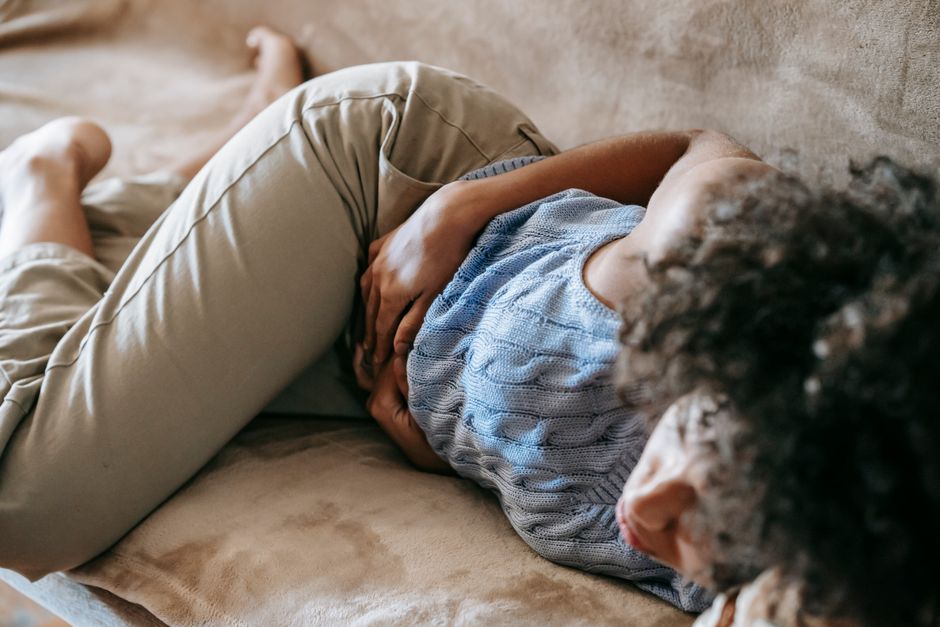
A sneeze is a reflex that clears irritants from your nose, but it also creates a sudden burst of pressure inside your belly. That pressure can push against muscles, organs, or scar tissue. If any of those areas are already irritated or healing, the sneeze turns into a sharp, brief pain. Most causes are minor and temporary. A few point to a problem that needs medical care.
What Causes Abdominal Pain When Sneezing?
During a sneeze, your diaphragm and abdominal muscles contract hard and fast. This briefly raises pressure inside your abdomen. The pressure itself is normal. It only hurts when it presses on tissue that is already inflamed, stretched, or injured.
Common causes include a pulled or sore abdominal muscle, a healing surgical incision, a hernia, digestive conditions like irritable bowel syndrome, and — in women — ovarian cysts or other pelvic issues. The location and timing of the pain often point to the source.
It helps to think about what sits where. Your upper abdomen holds the stomach and liver. The middle holds the small intestine. The lower abdomen holds the colon, bladder, and reproductive organs. A sneeze pain that always lands in the same spot is a useful clue for your doctor.
Why Does Sneezing Cause Abdominal Pain at All?
A sneeze is a pressure event. Your body pulls in a quick breath, then forces it out while the belly muscles tighten. That tightening raises the pressure inside your abdomen for a split second.
Think of your abdomen as a closed container. When the muscles squeeze, everything inside gets pressed. Soft tissue that is healthy flexes and moves with it. Tissue that is inflamed, swollen, or healing does not flex as easily. That mismatch is what you feel as pain.
There is a second factor. Sneezing also jolts your whole torso. Ligaments, muscles, and organs shift slightly. If something is already tender, even a small jolt registers as pain. This is why a sneeze can hurt more than a cough — it is more sudden and harder to brace against.
Muscle Strain and Soreness
A pulled abdominal muscle is one of the most common reasons a sneeze hurts. The muscles that run across your belly are the same ones that fire during a sneeze. If they are strained, that contraction hurts.
You may have strained these muscles from exercise, heavy lifting, a coughing illness, or even a previous sneeze. The pain is usually sharp and located in one area. It often eases once the sneeze passes. The muscle may feel tender to touch for a few days.
Muscle soreness tends to improve with rest and time. If the pain is constant, getting worse, or paired with swelling or bruising, that is a different picture and worth a medical visit.





Hernias
A hernia is a weak spot in the muscle wall of your abdomen. Tissue from inside can push through that weak spot. A sneeze raises the pressure inside your belly, which can push more tissue through and cause pain.
Hernias can show up as a bulge you can see or feel. Common spots are the belly button and the groin. The pain with a sneeze is often a brief pinch or ache right at the bulge.
Some hernias are serious. If a piece of tissue gets trapped and cut off from blood supply, that is a medical emergency. Warning signs include a bulge that becomes firm, very painful, or cannot be pushed back, along with nausea or vomiting. Seek care right away if that happens.
Recent Surgery and Healing Incisions
After abdominal surgery, the tissue is still knitting back together. A sneeze pulls on those healing layers. That is why many people feel a sharp pain when they sneeze in the weeks after an operation.
This is expected and usually fades as the tissue heals. Many surgeons teach patients to splint the incision — pressing a pillow or folded towel firmly over the area before a sneeze or cough. This supports the tissue and can reduce the pull.
If the pain after surgery is getting worse instead of better, or if you notice redness, warmth, drainage, or fever, contact your care team. Those can signal a problem with the wound.
Digestive and Pelvic Conditions
Some ongoing conditions make the abdomen more sensitive to pressure. Irritable bowel syndrome is one. In IBS, the gut is more reactive, and a sudden pressure change can trigger a cramp or spasm.
In women, ovarian cysts and other pelvic issues can cause pain with a sneeze. A cyst puts pressure on nearby tissue, and the jolt of a sneeze can make that worse. Pain that lines up with your menstrual cycle or with one side of the pelvis may point here.
Other possibilities include constipation, gas, and inflammation in the lining of the stomach. These often come with bloating or changes in your usual bowel habits.
If pain with sneezing keeps coming back, or comes with other symptoms, it is worth having a doctor look at the pattern rather than guessing at the cause.
When Should You See a Doctor?
Most sneeze-related belly pain is brief and harmless. The key is knowing when it is not.
Get medical care right away if you have:
- Severe pain that does not ease after the sneeze
- A bulge in the abdomen or groin that is firm or very tender
- Fever, vomiting, or a belly that is hard and swollen
- Blood in your stool or vomit
- Pain that keeps getting worse over hours
See a doctor soon, but not urgently, if the pain returns with every sneeze, lasts more than a few days, or comes with weight loss, ongoing bowel changes, or pain that wakes you at night.
Trust your sense of what is normal for you. A new, persistent pain deserves an answer.
How Is the Cause Found?
Doctors usually start with questions, not tests. Where is the pain? How long does it last? Does anything else bring it on? That history often narrows the list quickly.
A physical exam follows. The doctor may press on your abdomen, check for a bulge, and listen to your bowel sounds. For many people, this is enough to identify a muscle strain or a hernia.
If the picture is unclear, imaging may help. An ultrasound is often used to look at the gallbladder, pelvic organs, and hernias. A CT scan can give a more detailed view. Blood tests can check for signs of infection or inflammation.
The right test depends on your symptoms and history. There is no single test for “pain when sneezing” — the goal is to find the underlying cause.
What Helps in the Meantime
For minor muscle soreness, gentle rest and time are usually enough. Avoiding heavy lifting can keep the strain from getting worse.
If you have a healing incision, splinting with a pillow before you sneeze can reduce the pull. This is a common technique taught after surgery.
Managing the sneezing itself can help too. If allergies or a cold are making you sneeze often, treating those may cut down how often you feel the pain. Some people find that pressing a hand firmly over the sore area just before a sneeze softens the jolt.
Do not ignore pain that is severe, worsening, or paired with the warning signs above. In those cases, home measures are not the answer — medical care is.
Frequently Asked Questions
Why does sneezing hurt my lower abdomen?
A sneeze raises pressure inside your belly, which can press on tissue in the lower abdomen that is already irritated. Common causes there include a hernia, a strained muscle, or a pelvic issue such as an ovarian cyst.
Can a sneeze cause a hernia?
A sneeze does not create a hernia on its own, but it can push tissue through a weak spot that already exists. If you feel a new bulge or sharp pain with sneezing, have it checked.
Is abdominal pain when sneezing serious?
Most of the time it is brief and not serious, often from a muscle strain. It is serious if the pain is severe, does not ease, or comes with a firm bulge, fever, or vomiting.
How long does muscle pain from sneezing last?
A mild strain often eases within a few days with rest. If the pain lasts more than a week or keeps getting worse, see a doctor.
