
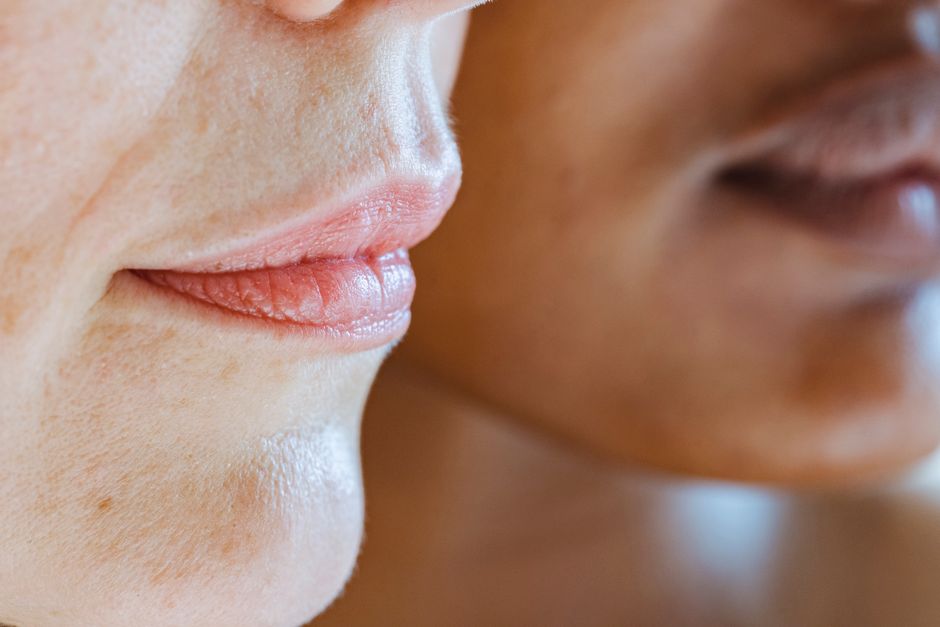
A ruddy complexion means your face has a persistent red or flushed tone that doesn’t fade quickly. It is not the same as a temporary blush or a flush from exercise. For many people, this redness is a permanent feature of their skin, often accompanied by visible blood vessels or a rough texture. The color comes from blood vessels near the surface of your skin. When those vessels widen, or dilate, more blood flows close to the skin’s surface, creating a red appearance. Several distinct biological and environmental factors drive this process, and understanding them is the first step in managing the look.
What Causes A Ruddy Complexion?
The short answer is that a ruddy complexion results from dilated blood vessels in the face. This dilation can be triggered by genetics, chronic inflammation, sun damage, or certain lifestyle factors. Over time, the walls of these tiny vessels can weaken. Once weakened, they do not constrict back to their normal size easily, leaving the face with a permanent reddish tone. In some cases, the vessels themselves become visible as thin red lines, a condition known as telangiectasia.
It is important to separate a naturally ruddy skin tone from a medical condition. Many people simply have fair, thin skin with blood vessels that are more visible. Others develop redness due to a chronic skin condition like rosacea. A ruddy complexion can be a standalone trait or a symptom of an underlying issue.
Is a Ruddy Complexion the Same as Rosacea?
No, they are not the same, but they are related. Rosacea is a chronic inflammatory skin condition with specific diagnostic criteria. It typically involves persistent redness, visible blood vessels, and sometimes acne-like bumps or thickened skin. A ruddy complexion is a broader term. It describes the appearance of redness without necessarily indicating a disease.
However, many people with rosacea first notice a ruddy complexion. The redness of rosacea often starts on the cheeks and nose before spreading to the forehead and chin. If your redness comes with a burning or stinging sensation, or if you develop small red bumps, you should see a dermatologist. They can determine whether your redness is simply a skin trait or part of a treatable condition.
Sun damage is another major cause of persistent facial redness. Ultraviolet light damages the elastic fibers in your skin and weakens blood vessel walls. Over years of exposure, this damage accumulates. The vessels become permanently dilated, and the skin takes on a leathery, reddened appearance. This is why outdoor workers often develop ruddy complexions regardless of their baseline skin type.
What Role Do Genetics Play in Facial Redness?
Genetics play a significant role. If your parents have fair skin, a tendency to blush easily, or visible facial veins, you are more likely to develop a ruddy complexion. The structure of your skin and blood vessels is inherited. People with lighter skin types have less melanin to mask the blood beneath the surface, making redness more obvious.
There is also a genetic component to conditions like rosacea. Research has identified specific gene variants associated with an increased risk of developing the condition. This does not mean you are destined to have a ruddy face if you carry these genes. It simply means your threshold for developing redness is lower than average. Environmental triggers then determine whether that genetic tendency becomes visible.





How Do Lifestyle Factors Trigger or Worsen Redness?
Several everyday habits can trigger facial flushing. Hot beverages, spicy foods, alcohol, and extreme temperatures all cause blood vessels to dilate. For most people, this is temporary. The face returns to normal within an hour. For someone with a genetic tendency toward redness, repeated exposure to these triggers can cause the vessels to lose their tone permanently.
Alcohol is a particularly strong trigger. It directly causes blood vessels to widen and increases blood flow to the skin. Over time, chronic alcohol use can lead to a permanently reddened face. This is not just a cosmetic issue. The facial redness associated with heavy drinking is a marker of underlying vascular damage.
Temperature changes are another common culprit. Moving from a cold outdoors environment into a warm room causes rapid vessel dilation. This is why many people notice their faces turn red in winter. Repeated cycles of constriction and dilation strain the vessel walls. Over years, this strain contributes to a persistent ruddy appearance.
Can Skincare Products Cause or Worsen a Ruddy Complexion?
Yes, certain skincare products can worsen facial redness. Products that strip the skin’s natural oils, such as harsh soaps or astringents, can irritate the skin and trigger inflammation. This inflammation brings blood to the surface, creating redness. Some people also have allergic reactions to fragrances, preservatives, or active ingredients in cosmetics.
Physical exfoliants, like scrubs with rough particles, can damage the skin barrier. When the barrier is compromised, the skin becomes more sensitive and reactive. This can lead to a cycle of irritation and redness. If you have a ruddy complexion, look for gentle, fragrance-free cleansers and moisturizers. Avoid products labeled as “anti-aging” that contain high concentrations of acids or retinoids unless a dermatologist has recommended them.
One non-obvious point: topical steroids can cause redness if overused. These are common in over-the-counter hydrocortisone creams. Prolonged use on the face thins the skin and makes blood vessels more visible. If you have been using a steroid cream on your face for more than a few weeks, stop and consult a doctor.
When Should You See a Doctor About Facial Redness?
You should see a doctor if your facial redness is new, painful, or accompanied by other symptoms. A sudden change in your skin’s appearance warrants evaluation. Persistent redness with bumps, pustules, or a burning sensation may indicate rosacea or another inflammatory condition. These conditions are treatable, and early intervention prevents progression.
You should also seek medical advice if the redness is accompanied by swelling, peeling, or crusting. These signs could indicate an infection or an allergic reaction. In rare cases, a red face can be a sign of a systemic condition like lupus or an autoimmune disorder. A doctor can perform blood tests to rule out these possibilities if your history suggests them.
Dermatologists have effective treatments for persistent facial redness. Prescription topical medications can reduce inflammation. Laser therapy can target and close visible blood vessels. These treatments do not cure the underlying tendency toward redness, but they can significantly improve appearance. No clinical guidelines recommend specific over-the-counter products for treating a ruddy complexion, because evidence for their effectiveness is limited.
Are There Effective Ways to Reduce a Ruddy Complexion?
The most effective approach is prevention and trigger management. Protecting your skin from the sun is critical. Use a broad-spectrum sunscreen with SPF 30 or higher daily. Sun damage is cumulative and irreversible, so prevention is your best tool. Wear a wide-brimmed hat when outdoors for extended periods.
Identifying your personal triggers is also important. Keep a diary of what you eat, drink, and do before you notice flushing. Common triggers include alcohol, spicy food, hot drinks, and extreme weather. Avoiding these triggers will not reverse existing redness, but it can prevent it from worsening.
For immediate coverage, green-tinted makeup or color-correcting primers can neutralize redness. These are cosmetic solutions, not medical treatments. They work by canceling out the red tones in your skin. They are safe for most people and can provide confidence while you address the underlying causes.
Some evidence suggests that certain prescription medications, like topical brimonidine, can temporarily reduce facial redness by constricting blood vessels. These are available by prescription only and are typically used for rosacea. They are not appropriate for everyone, and their effects wear off within hours. Discuss these options with a dermatologist rather than seeking them out independently.
Frequently Asked Questions
Can a ruddy complexion be permanently cured?
No permanent cure exists for a ruddy complexion. You can manage the appearance and prevent further damage, but the underlying tendency toward dilated blood vessels remains.
Does drinking alcohol always cause a ruddy face?
Alcohol causes temporary facial flushing in most people. Chronic heavy drinking can lead to permanent redness, but moderate drinkers may not experience lasting changes.
Is a ruddy complexion a sign of high blood pressure?
No, a ruddy complexion is not a reliable sign of high blood pressure. High blood pressure rarely causes visible facial redness, so do not use your skin color to judge your blood pressure.
What is the fastest way to reduce facial redness at home?
Applying a cool compress to your face for a few minutes can temporarily constrict blood vessels and reduce redness. This is a short-term fix, not a lasting treatment.
