
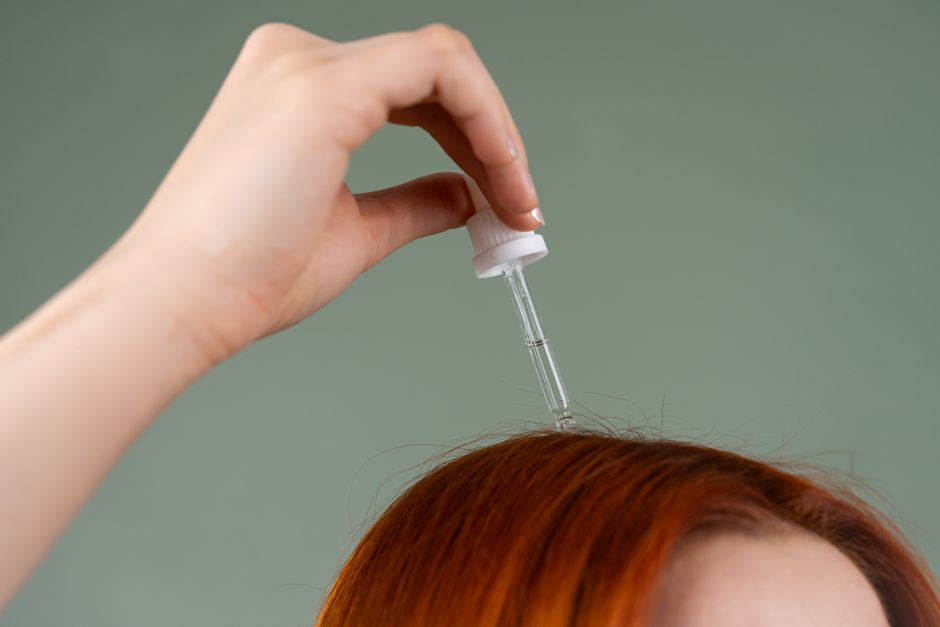
A burning scalp is a real symptom, not an imagined one. It usually means something is irritating or inflaming the nerves and skin of your scalp. Common causes include skin conditions like seborrheic dermatitis and psoriasis, nerve-related problems such as scalp dysesthesia, reactions to hair products, and, less often, an underlying medical or nutritional issue. The burning itself is a signal, not a diagnosis.
The feeling can range from a mild warmth to a sharp, stinging pain. Some people feel it in one small spot. Others feel it across the whole head. Figuring out why it happens starts with looking at what sits just beneath the surface: skin, hair follicles, blood vessels, and a dense network of nerve endings.
What Causes a Burning Scalp?
Most cases trace back to one of a few categories. The scalp has a rich blood supply and a high concentration of sensory nerves, which is why problems there can feel intense.
Inflammatory skin conditions are the most common explanation. Seborrheic dermatitis causes redness, flaking, and itching, and it often comes with a burning or stinging sensation. Psoriasis produces thick, silvery scales and can burn as well as itch. These conditions affect the skin barrier, and a damaged barrier lets irritants reach nerve endings more easily.
Nerve-related causes form a second group. Scalp dysesthesia is a term doctors use when the scalp burns, stings, or itches without any visible rash or skin change. The skin looks normal, but the nerves behave as if something is wrong. This is a diagnosis made by ruling other things out.
A third group involves contact reactions. Ingredients in shampoo, dye, or styling products can irritate the skin directly or trigger an allergic response. The burning often shows up shortly after use and improves when the product is stopped.
Less common causes include certain vitamin deficiencies, thyroid problems, and some medications. These are real but rare compared with the skin and nerve causes above.
How Do Skin Conditions Cause a Burning Feeling?
When the skin barrier breaks down, nerve endings that normally sit protected become exposed to irritants and to the body’s own inflammatory chemicals. That is what produces the burn.
In seborrheic dermatitis, a type of yeast that lives on everyone’s scalp (called Malassezia) overgrows and triggers inflammation in people who are sensitive to it. The result is flaking, redness, and often a burning itch. It tends to show up where oil glands are dense, which is why the scalp, eyebrows, and sides of the nose are common spots.
Psoriasis works differently. It is an immune-driven condition where skin cells turn over far too fast, building up thick scales. The inflammation underneath can burn and sting. Scalp psoriasis is common in people who have psoriasis elsewhere.
Both conditions can be managed, but neither is cured by a single shampoo. Treatment usually focuses on calming inflammation and controlling flare-ups over time.
What Is Scalp Dysesthesia?
Scalp dysesthesia is burning, stinging, or itching of the scalp with no visible rash, redness, or scaling. The skin looks completely normal, which is why it is often missed or dismissed.
Doctors believe it involves abnormal signaling in the scalp’s nerve network. It can appear on its own or alongside conditions that affect nerves, such as neck problems or, in some cases, anxiety and stress. The link to stress is real but not fully understood, and it does not mean the symptom is “in your head.” The sensation is genuine.
Because there is no rash to see, diagnosis depends on ruling out other causes first. A doctor may check for skin conditions, nutritional problems, and medication side effects before settling on this explanation.
Treatment varies. Some clinicians recommend topical treatments that calm nerve signals, while others focus on managing stress and any underlying trigger. The evidence for any single approach here is limited, so what works for one person may not work for another.





Can Hair Products Cause a Burning Scalp?
Yes, and this is one of the more common and more fixable causes. Two different things can happen: direct irritation and true allergy.
Irritant contact dermatitis is the more frequent of the two. Strong ingredients, especially in hair dye and chemical straighteners, damage the skin directly. The burning starts during or soon after use and stays in the area where the product touched the skin.
Allergic contact dermatitis is a genuine immune reaction. It can develop even to a product you have used for years without trouble. Common triggers include certain preservatives and fragrance ingredients, and in hair dye, a chemical called paraphenylenediamine (PPD). With an allergy, the reaction may spread beyond where the product was applied.
Signs that a product is the problem include burning that starts within minutes to hours of use, redness or small bumps along the hairline, and improvement when you stop using it. If you suspect a product, stopping it is the clearest test. A dermatologist can do patch testing to identify a specific allergen.
When Should a Burning Scalp Worry You?
Most burning scalp is uncomfortable but not dangerous. Certain signs, though, mean you should see a doctor rather than wait.
- Burning that comes with a spreading rash, blisters, or open sores
- Hair loss in the burning area
- Severe pain, or burning that wakes you from sleep
- Fever, chills, or feeling generally unwell
- Numbness, weakness, or burning that spreads down the neck or face
- Symptoms that keep getting worse despite home care
A spreading rash with fever needs prompt medical attention. So does burning that follows a head injury or comes with neurological symptoms. These are not typical of ordinary scalp irritation and should be checked quickly.
For burning that lingers for weeks without a clear cause, a dermatologist is the right starting point. They can examine the scalp closely and decide whether other specialists are needed.
How Is a Burning Scalp Treated?
Treatment depends entirely on the cause, which is why getting the right diagnosis matters more than trying random remedies.
For seborrheic dermatitis, medicated shampoos containing ingredients like ketoconazole, zinc pyrithione, or selenium sulfide are standard. They are used on a schedule, not just once. For psoriasis, doctors often prescribe topical steroids or other anti-inflammatory treatments, and sometimes stronger options for stubborn cases.
For contact reactions, the fix is removing the trigger. That may mean switching to fragrance-free, dye-free products and avoiding the specific ingredient identified by patch testing.
For scalp dysesthesia, treatment is less clear-cut. Some clinicians use topical agents that calm nerve activity. Others address stress, sleep, and any underlying nerve issue. The evidence base here is thin, so results vary and no single approach is proven for everyone.
If a vitamin deficiency or thyroid problem is found, treating that underlying issue may ease the burning. These causes are uncommon, and testing is usually guided by other symptoms rather than burning alone.
What Helps at Home?
Home care can reduce irritation while you figure out the cause. It will not fix a nerve problem or an immune condition, but it can remove added triggers.
- Switch to a gentle, fragrance-free shampoo and stop harsh treatments for a few weeks
- Avoid scratching, which damages the skin and can worsen inflammation
- Wash your hair with lukewarm, not hot, water
- Skip tight hats and hairstyles that pull on the scalp
- Note what you used before symptoms started, to spot a pattern
Cool compresses can calm the sensation short-term. They do not treat the cause. If burning continues past a few weeks, or keeps coming back, that is the point to get it looked at rather than keep experimenting.
Does Stress Play a Role?
Stress can make a burning scalp worse, and in some people it appears to trigger episodes. It is not the whole story, but it is a real factor.
Stress affects how the body processes pain and can heighten nerve sensitivity. In scalp dysesthesia, this link is often noted, though the exact mechanism is not fully worked out. This does not mean the symptom is imaginary. It means the nervous system and stress response interact in ways that can turn up the volume on real sensations.
Managing stress may reduce how often symptoms flare, but it is rarely a complete solution on its own. It works best alongside treating any skin or nerve cause.
Frequently Asked Questions
What causes a burning scalp?
The most common causes are inflammatory skin conditions like seborrheic dermatitis and psoriasis, nerve-related scalp dysesthesia, and reactions to hair products. Less often, vitamin deficiencies, thyroid problems, or medications are involved.
Is a burning scalp a sign of something serious?
Usually not, but burning with a spreading rash, blisters, fever, hair loss, or neurological symptoms should be checked promptly by a doctor. Burning that lingers for weeks without a clear cause also deserves a medical evaluation.
Can stress cause a burning scalp?
Stress can worsen or trigger a burning scalp by heightening nerve sensitivity, especially in scalp dysesthesia. It is a contributing factor rather than the sole cause, and treating any underlying skin or nerve issue still matters.
How do I stop my scalp from burning?
Stopping harsh or fragranced hair products and treating any diagnosed skin condition are the first steps. If burning continues past a few weeks, see a dermatologist, since the right treatment depends on the cause.
