
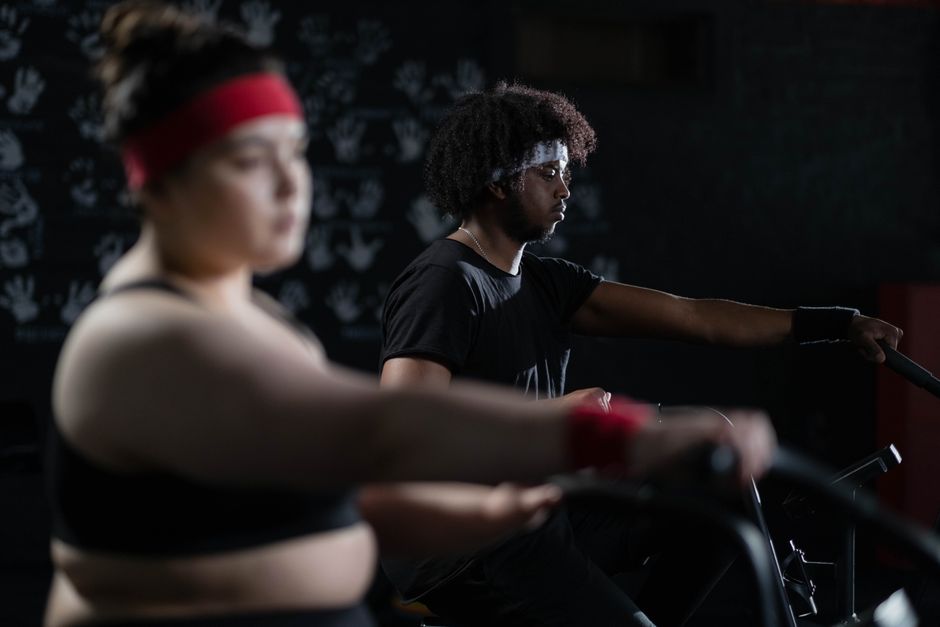
There is no single cardio machine that burns the most fat. Fat loss comes down to total calories burned and how long you can keep going. The machine that wins is the one you will actually use consistently, because the calorie gap between machines is smaller than most people think.
Walk into any gym and you will see rows of treadmills, ellipticals, stationary bikes, and rowers. Each one promises a better workout than the last. The marketing suggests some machines are fat-burning machines and others are not. That framing misses how fat loss actually works.
Does the Machine You Choose Actually Determine Fat Loss?
Fat loss happens when you burn more calories than you take in over time. The machine is just a tool for creating that calorie burn. Your body does not check which piece of equipment you used before deciding to release stored fat.
What matters is the total energy you expend. A workout that burns 300 calories on a treadmill and one that burns 300 calories on an elliptical create the same energy deficit. The physiological result is the same.
Where machines differ is in how easy they make it to sustain effort. Some feel harder than others at the same calorie burn. Some put more stress on your joints. Some let you read or watch TV, which means you might stay on longer. These practical differences matter more than any inherent fat-burning property of the machine itself.
Research on exercise and fat loss consistently shows that total energy expenditure is the primary driver. The type of cardio matters far less than the total volume and consistency of your routine.
Which Cardio Machine Actually Burns the Most Calories?
Calorie burn depends on your body weight, intensity, and fitness level. A 150-pound person and a 200-pound person will burn different amounts on the same machine at the same pace. That said, some general patterns hold.
Machines that recruit more muscle mass tend to burn more calories per minute. Rowing and stair climbing engage your legs, core, and upper body. A treadmill at an incline also recruits significant muscle. A stationary bike used at moderate effort typically burns fewer calories per minute because fewer muscles are working.
But here is the part most people miss. Calorie burn per minute is not the same as total calories burned in a session. If you can only sustain five minutes on a stair climber but can walk on a treadmill for 45 minutes, the treadmill session will likely burn more total calories.
Duration often matters more than intensity for total burn. This is especially true for people who are new to exercise or returning after a break.
What About the Fat-Burning Zone?
The fat-burning zone is one of the most misunderstood concepts in fitness. It refers to the intensity range where your body uses a higher percentage of fat for fuel. That range is typically around 60 to 70 percent of your maximum heart rate.
Here is the problem with using that as a fat loss strategy. At lower intensities, you burn a higher percentage of fat, but you burn fewer total calories. At higher intensities, you burn a lower percentage of fat, but you burn more total calories. For overall fat loss, total calories burned matters more than the percentage that comes from fat during the workout.
Your body also does not only burn fat during exercise. It burns fat around the clock. The goal is to create an energy deficit over days and weeks, not to maximize fat oxidation during a single session.
This does not mean the fat-burning zone is useless. It is a comfortable intensity that many people can sustain for longer periods. That makes it practical for building duration, which does contribute to total calorie burn.




Does High-Intensity Interval Training Burn More Fat?
High-intensity interval training, or HIIT, alternates short bursts of intense effort with recovery periods. It burns a lot of calories in a short time. Some research suggests HIIT may also increase calorie burn after exercise, a phenomenon called excess post-exercise oxygen consumption, or EPOC.
The EPOC effect is real, but its size is often overstated. The extra calories burned after a HIIT session are modest compared to the calories burned during the session itself. Some studies suggest the effect may last for hours, but the total additional burn is typically a small fraction of the workout’s direct calorie cost.
HIIT is effective for fat loss when it helps you burn more total calories or when it fits your schedule better than longer sessions. It is not magic. It is one tool among many.
HIIT also requires more recovery than steady-state cardio. Doing it too often can lead to fatigue, poor performance, and burnout. Most people do better with a mix of intensities rather than all HIIT all the time.
Why Consistency Beats Machine Choice Every Time
The best cardio machine is the one you will use regularly. This is not a motivational slogan. It is a practical reality of how behavior drives results.
A person who walks on a treadmill for 30 minutes four times a week will burn more calories over a month than someone who does one brutal stair climber session and then skips the rest of the week. The math is not close.
Consistency also supports other parts of fat loss. Regular exercise helps regulate appetite, improves sleep, and supports mood. These factors influence how much you eat and how active you are outside the gym. A machine you dread undermines all of it.
If you enjoy the elliptical, use the elliptical. If rowing feels good, row. If walking on an incline is your thing, do that. Enjoyment is not a soft factor. It is a predictor of whether you will keep showing up.
How Should You Use Cardio for Fat Loss?
Cardio is one part of a larger picture. Fat loss requires an energy deficit. Exercise helps create that deficit, but it is usually easier to create a meaningful deficit through a combination of diet and activity than through exercise alone.
This is because exercise burns fewer calories than many people assume. A 30-minute workout might burn 200 to 400 calories depending on the machine and intensity. A single large meal can easily contain more than that. This does not mean exercise is pointless. It means exercise works best when paired with attention to what you eat.
Strength training also matters. Muscle tissue burns more calories at rest than fat tissue, though the difference is smaller than often claimed. More importantly, strength training helps preserve muscle mass during weight loss. That matters for how you look and function as you lose fat.
A practical approach for most people is to combine:
- Regular cardio sessions you can sustain, using whatever machine or activity you prefer
- Strength training two to three times per week
- Attention to overall calorie intake
- Enough sleep and recovery to support consistent effort
The specific machine you choose for cardio is far less important than hitting these basics consistently.
What About Calories Burned on Different Machines?
Calorie estimates on machine displays are just estimates. They do not account for your individual metabolism, and many machines overestimate burn. Research has found that some machines can overstate calorie burn by a meaningful margin.
Use the numbers as a rough guide, not a precise measurement. If you are tracking calories for weight loss, it is usually better to underestimate exercise calories than to overestimate them.
Here is a general comparison of how different machines tend to rank for calorie burn per minute at moderate to vigorous effort. These are broad patterns, not exact figures, and individual results will vary.
| Machine | Relative Calorie Burn | Notes |
|---|---|---|
| Stair climber | High | Recruits large leg muscles; hard to sustain for long periods |
| Rowing machine | High | Full-body engagement; requires technique to use effectively |
| Treadmill (running) | High | High impact; calorie burn scales with speed and incline |
| Treadmill (walking, incline) | Moderate to high | Lower impact; easy to sustain for longer sessions |
| Elliptical | Moderate | Low impact; effort can vary widely based on resistance and pace |
| Stationary bike | Moderate | Lower impact; calorie burn depends heavily on resistance and cadence |
| Recumbent bike | Lower | Comfortable; often used at lower intensities |
The machine at the top of this list is not automatically the best choice for you. If it hurts your knees or you cannot last more than a few minutes, it will not produce better results than a machine lower on the list that you can use for 40 minutes.
The Bottom Line on Cardio Machines and Fat Loss
No cardio machine burns fat in a way that others do not. Fat loss is driven by a sustained energy deficit, and exercise is one way to contribute to that deficit. The machine that helps you burn the most total calories over time, without injury or burnout, is the one that works best for you.
If you want to maximize calorie burn per session, choose machines that engage more muscle mass and allow you to work at a challenging but sustainable intensity. If you want to maximize fat loss over weeks and months, choose the machine you will actually use and pair it with sensible eating and strength training.
The search for the single best fat-burning machine is a distraction. The habits that support fat loss are not mysterious. They are just not sold on late-night infomercials.
Frequently Asked Questions
What cardio machine burns the most fat?
No machine burns fat more than another if the total calories burned are the same. Machines like stair climbers and rowers tend to burn more calories per minute, but the best machine is the one you can use consistently.
Is the fat-burning zone better for weight loss?
The fat-burning zone burns a higher percentage of fat but fewer total calories than higher intensities. For overall fat loss, total calorie burn matters more than the percentage from fat during exercise.
Does HIIT burn more fat than steady-state cardio?
HIIT can burn more calories in less time and may have a small afterburn effect. However, total calorie burn and consistency over time matter more than the type of cardio for fat loss.
How long should I use a cardio machine to burn fat?
There is no single duration that works for everyone. Longer sessions generally burn more total calories, but intensity and consistency also matter. Aim for a duration you can sustain regularly without excessive fatigue.
