
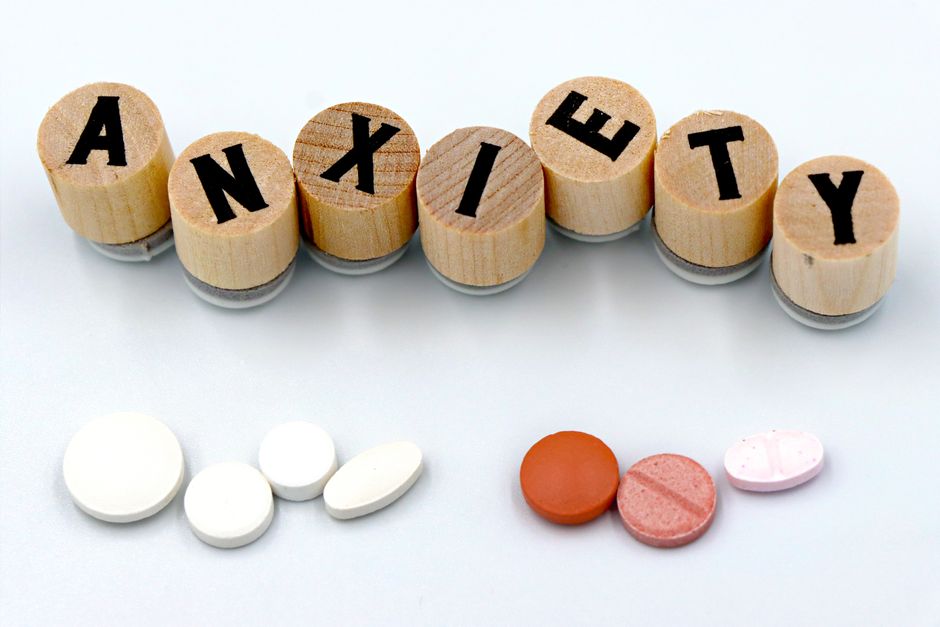
You can buy several products at a pharmacy or grocery store that people use for anxiety, but only a few have real evidence behind them. The two with the most research support are certain antihistamines and a handful of natural supplements. Everything else sold for “stress and worry” is mostly marketing. Here is what the science actually says about each option, what it can and cannot do, and when it is time to talk to a doctor instead of the supplement aisle.
What Can You Take For Anxiety Over The Counter?
Two categories stand out. The first is antihistamines, mainly diphenhydramine (Benadryl) and doxylamine (the ingredient in many sleep aids). These are sedating. They can calm the body’s physical signs of anxiety, like a racing heart or tense muscles, mostly by making you drowsy.
The second is supplements, especially lavender oil, L-theanine, and ashwagandha. Among these, lavender oil has the most clinical research behind it. It has been studied in diagnosed anxiety disorders and compared against placebo in controlled trials.
That is the short list. Notice what is missing. There is no over-the-counter drug approved by the FDA to treat anxiety. Every product on the shelf is either approved for something else or sold as a supplement, which the FDA regulates differently from medications.
This distinction matters. A supplement does not have to prove it works before it is sold. That is the single most important fact in this article.
Do Antihistamines Actually Help With Anxiety?
They help with one part of anxiety: the physical arousal. Diphenhydramine and doxylamine block histamine in the brain, and histamine plays a role in wakefulness. Blocking it makes you sleepy and relaxed.
That feeling of calm is real. But it is sedation, not anxiety treatment. The racing thoughts, the dread, the worry that will not switch off — antihistamines do not touch those.
There is a practical problem too. Your body builds tolerance to the sedating effect fairly quickly with regular use. So the calm feeling fades, and people take more to get the same result. That is a pattern worth avoiding.
Side effects are common and worth knowing before you try them:
- Drowsiness that can last into the next day
- Dry mouth, blurred vision, and constipation
- Confusion and memory problems, especially in older adults
- Worsened symptoms in people with certain heart conditions or glaucoma
Diphenhydramine is not recommended as a sleep aid for ongoing use, and it is not recommended for older adults in general because of the confusion risk. Using it daily for anxiety falls into the same category. It is a short-term option at best, and not a treatment.
What About Lavender Oil?
Lavender has the strongest evidence of any over-the-counter option for anxiety. A specific oral lavender oil product has been tested in randomized controlled trials for generalized anxiety disorder and compared against placebo. Some of that research found it reduced anxiety symptoms more than placebo did.
This is worth pausing on, because it is unusual. Most supplements never get tested in proper trials. Lavender has.
Two cautions. First, the research is on a specific standardized oral product, not on the lavender essential oil you might diffuse in a room or dab on your wrist. Those are different things. Aromatherapy may feel pleasant and calming, but the clinical trials were not testing that.
Second, even the positive trials are modest in size, and lavender is not a substitute for treatment of a diagnosed anxiety disorder. Some clinicians recommend it as an add-on. It is not a first-line treatment.
Oral lavender can cause drowsiness, nausea, and headache. It can also interact with sedatives and some other medications, so check with a pharmacist if you take anything regularly.


Do L-Theanine and Ashwagandha Work?
L-theanine is an amino acid found in green tea. Small studies suggest it may promote relaxation without sedation, and some research points to effects on brain waves linked to calm alertness. The evidence is early and the studies are small. No large trial has confirmed it works for an anxiety disorder.
Ashwagandha is an adaptogenic herb. Several small trials have found reduced stress scores in people taking it compared with placebo. The evidence is more promising than for many supplements, but it is still limited.
There are real safety considerations with ashwagandha. Cases of liver injury have been reported, and it is not considered safe in pregnancy. It can also affect thyroid hormone levels and blood sugar. If you have a thyroid condition, diabetes, or liver disease, talk to your doctor before using it.
Be skeptical of any product that claims to “balance cortisol” or “reset your stress response.” Those phrases are marketing. They are not clinical findings.
What Does Not Work, Despite the Marketing
Walk down the supplement aisle and you will see dozens of products promising calm. Most have no human trials behind them at all.
Here is a quick look at the honest evidence position for common ingredients:
| Ingredient | Evidence for Anxiety | Notes |
|---|---|---|
| Diphenhydramine | Sedation only, not anxiety treatment | Tolerance builds; not for regular use |
| Lavender oil (oral, standardized) | Some positive trials in diagnosed anxiety | Not the same as aromatherapy |
| L-theanine | Early, small studies only | Generally well tolerated |
| Ashwagandha | Small trials suggest benefit | Liver and thyroid cautions |
| CBD | Mixed and limited | Quality varies widely; drug interactions |
| Kava | Some evidence, but liver risk | Not recommended without medical supervision |
| Valerian, lemon balm, passionflower | Weak or inconsistent | Often used for sleep, not anxiety |
CBD deserves a specific note. It is widely sold for anxiety, and early research is genuinely interesting. But the studies are small, doses vary wildly between products, and CBD interacts with several medications by affecting how the liver breaks them down. It is not a proven anxiety treatment.
Kava is a case study in why caution matters. It has some evidence for anxiety, but it has been linked to serious liver damage, and several countries have restricted its sale. No over-the-counter product is worth that risk without a doctor involved.
Why Over-the-Counter Options Have Limits
Anxiety is not one thing. It involves brain circuits, stress hormones, genetics, sleep, and life circumstances all at once. A supplement or a sedating antihistamine acts on one small piece of that picture.
This is why a genuinely effective treatment usually needs a doctor. Prescription medications and therapy work on the systems that drive anxiety, not just the symptoms it produces.
There is a non-obvious point here that surprises many people. The most effective non-drug treatment for anxiety is not a pill at all. Cognitive behavioral therapy has strong evidence behind it for anxiety disorders, and it teaches skills that keep working after treatment ends. No supplement does that.
Lifestyle factors matter too, and the evidence for them is solid:
- Regular physical activity reduces anxiety symptoms in many studies
- Consistent sleep supports mood regulation
- Limiting caffeine can reduce the physical feelings of anxiety
- Slow breathing and relaxation practices calm the body’s stress response
These are not cures. They are foundations. They work better alongside professional care than instead of it.
When to See a Doctor Instead
Over-the-counter options are for mild, occasional worry. They are not for an anxiety disorder, and they are not for symptoms that are interfering with your life.
Talk to a doctor or mental health professional if any of these apply:
- Anxiety is affecting your work, relationships, or sleep most days
- You have panic attacks
- You are avoiding things you used to do
- You feel anxious most days for months at a time
- You are using alcohol or other substances to cope
- You have thoughts of harming yourself
That last one is not something to wait on. If you are having thoughts of suicide, contact a crisis line or emergency services right away. In the US you can call or text 988 to reach the Suicide and Crisis Lifeline.
Seeing a doctor is not a sign that self-care failed. Anxiety disorders are common and treatable. Getting help early usually makes treatment easier, not harder.
If you do want to try an over-the-counter option first, that is a reasonable choice for mild symptoms. Just be honest with yourself about whether it is helping. If a product is not making a real difference after a few weeks, it probably will not. And tell your doctor or pharmacist about anything you take, including supplements, because interactions are common and often invisible.
Frequently Asked Questions
Can you buy anxiety medication over the counter?
No. There is no FDA-approved over-the-counter medication for anxiety. Products sold for anxiety are either approved for other uses, like antihistamines, or sold as supplements, which do not have to prove they work.
Is Benadryl good for anxiety?
It can make you drowsy and relaxed, but it does not treat anxiety itself. Regular use builds tolerance quickly and carries risks like confusion, especially in older adults.
What is the most effective natural supplement for anxiety?
Lavender oil has the strongest clinical evidence among over-the-counter options, with positive trials in diagnosed anxiety. The evidence for L-theanine and ashwagandha is promising but limited to small studies.
When should I see a doctor for anxiety?
See a doctor if anxiety affects your daily life, causes panic attacks, or lasts for months. If you have thoughts of harming yourself, contact a crisis line or emergency services immediately.
