
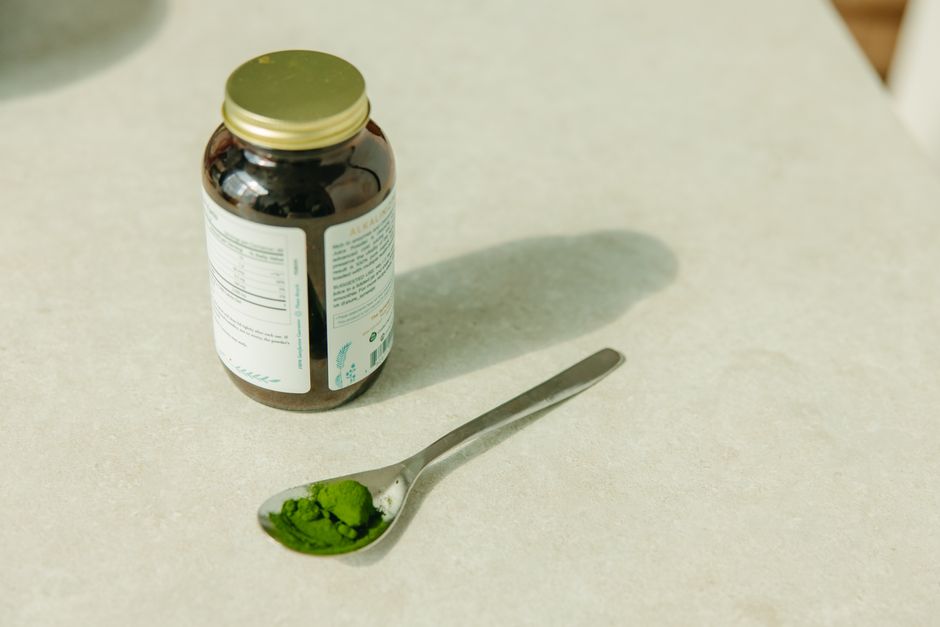
Collagen powder dissolves into almost anything with liquid in it. Coffee, tea, smoothies, soups, oatmeal, yogurt, and even baked goods can all carry a scoop without changing the taste much. The main rule is simple: match the powder to the temperature and the texture you want, because collagen does not dissolve well in cold liquid and loses some of its structure when heated hard.
Most collagen peptides on the market are hydrolyzed, meaning the protein has been broken into smaller pieces that mix more easily. That is why a scoop vanishes into hot coffee but can clump in a cold glass of water. Knowing where it works, and where it does not, saves you from wasting a pricey tub.
What Can You Put Collagen Powder In Foods and Drinks?
Collagen peptides mix cleanly into any warm or room-temperature liquid and into soft, moist foods. Cold liquids need a little help. Dry foods need a liquid partner.
The list of good vehicles is long. Hot coffee and tea. Smoothies and protein shakes. Juice and milk. Soup, broth, and sauce. Oatmeal, yogurt, cottage cheese, and applesauce. Pancake batter, muffin mix, and energy balls. The powder is nearly tasteless, so it rarely fights with what you are already eating.
There is one practical catch. Hydrolyzed collagen dissolves best between roughly room temperature and hot-but-not-boiling. In ice-cold water it tends to float and clump unless you stir hard or blend it. That is a texture issue, not a safety one.
Why Does Collagen Powder Clump in Cold Drinks?
Hydrolyzed collagen is a protein, and proteins behave differently in hot and cold water. Warm water lets the peptide chains separate and spread out. Cold water keeps them bunched together, so the powder sits on top or forms gummy pockets instead of dissolving.
This is normal and expected, not a sign of a bad product. It is the same reason gelatin needs hot water to bloom before it sets.
If you want collagen in a cold drink, you have a few workable options:
- Stir it into a small amount of warm water first, then add the cold liquid.
- Use a shaker bottle or blender instead of a spoon.
- Choose a collagen powder labeled “dissolves in cold water,” which some brands formulate for exactly this.
- Add it to a smoothie, where the blender does the mixing for you.
Letting a clumped drink sit does not fix it. Stirring or blending does.
Does Heat Destroy Collagen Powder?
Heat does not make collagen unsafe, but very high heat can change how it behaves. Prolonged boiling can cause the protein to break down further and lose some of its gelling or mixing quality. For a drink you are about to consume, that matters little.
For baking, the picture is different. Collagen is a protein, and like other proteins it can be altered by oven temperatures. It will not turn into something harmful in a muffin, but it may lose some of its intended structure. If your goal is simply to add protein to a baked good, it will still contribute protein even after heating.
A reasonable approach is to add collagen powder to foods after cooking when you can, and to accept that baking changes it when you cannot. There is no evidence that heated collagen becomes dangerous.




What Foods Hide the Taste Best?
Collagen peptides are close to flavorless, which makes them easy to hide. Foods with their own strong flavor hide it even better.
Good choices include:
- Coffee, especially with milk or cream
- Chocolate smoothies and cocoa drinks
- Soup and bone broth
- Peanut butter or nut-butter energy balls
- Yogurt with fruit
- Oatmeal with cinnamon or berries
Plain water is the one place the taste sometimes shows up, usually as a faint savory or “protein” note. If that bothers you, water is not the best vehicle.
Can You Put Collagen Powder in Coffee or Tea?
Yes, and hot coffee is one of the most popular ways to take it. The heat helps it dissolve, and coffee’s own flavor covers any trace taste.
A few practical notes. Add the powder to the cup, then pour the hot liquid over it and stir. If you add it to an already-full mug, it can clump at the bottom. Very hot, actively boiling liquid is not necessary and offers no advantage.
Tea works the same way. So does warm milk, hot cocoa, and broth. The temperature just needs to be warm enough to let the powder spread out.
How Much Collagen Powder Should You Add?
Most commercial collagen powders suggest a serving of about 10 to 20 grams per day on the label. That is a manufacturer’s suggestion, not a clinical guideline, and there is no official government recommendation for collagen intake.
It helps to remember what collagen powder actually is: a protein. A typical scoop adds protein to your day, and protein needs vary widely by body size, activity, and health status. Collagen is not a complete protein, meaning it does not supply all the essential amino acids your body needs in the right amounts, so it works best alongside other protein sources rather than as your only one.
If you have a kidney condition, a protein-restricted diet, or any medical reason to limit protein, talk to your clinician before adding a daily scoop. That is a general precaution, not a collagen-specific warning.
What Does the Evidence Actually Show About Collagen Supplements?
This is where honesty matters more than marketing. Collagen supplements are widely sold, and the research on them is mixed.
Some studies suggest collagen peptides may support skin elasticity and joint comfort, and a number of small trials point in that direction. But many of these studies are small, short, and sometimes funded by the companies selling the product. That does not make the results false. It means the evidence is not yet strong enough to call collagen a proven treatment for anything.
What is well established is simpler: collagen is a protein, and eating protein supports your body’s own collagen production indirectly by supplying amino acids. Your body builds collagen on its own, and it needs vitamin C and other nutrients to do so. No supplement has been shown to travel directly to your skin or joints and rebuild them.
So collagen powder is a convenient way to add protein to foods and drinks you already eat. Treat it as that, not as a cure.
Are There Any Downsides to Mixing Collagen Into Foods?
For most people, adding collagen powder to food is low risk. The main issues are practical, not medical.
- It can clump in cold liquids if you do not stir or blend.
- It adds protein, which counts toward your daily total and matters if you are limiting protein.
- Some people report mild digestive upset, though this is not well documented in large studies.
- It is not a complete protein, so it should not replace your main protein sources.
If you are pregnant, breastfeeding, or giving supplements to a child, note that no clinical guidelines currently exist for collagen powder in these groups. That is a reason for caution, not a green light.
Simple Ways to Add Collagen to Your Day
If you want to work collagen powder into your routine, the easiest path is to attach it to something you already do.
Stir a scoop into your morning coffee. Blend it into a smoothie. Mix it into oatmeal or yogurt. Add it to soup or broth at the end of cooking. Each of these takes seconds and fits an existing habit, which is usually what makes any supplement stick.
The powder itself is flexible. The real question is not where you can put it, but whether you want the extra protein and whether the cost is worth it to you. That is a personal call, and the evidence does not settle it for you.
Frequently Asked Questions
Can you put collagen powder in cold water?
You can, but it tends to clump because collagen dissolves poorly in cold liquid. Stir it into a little warm water first or use a shaker or blender to mix it evenly.
Does hot coffee destroy collagen powder?
No, hot coffee does not destroy it and is one of the most common ways people take collagen. Very high heat over a long time can change the protein’s structure, but a normal cup of coffee is fine.
Can you bake with collagen powder?
Yes, you can add it to batters for muffins, pancakes, and similar baked goods. Oven heat may alter the protein’s structure, but it still contributes protein and does not become unsafe.
How much collagen powder should you put in a drink?
Most products suggest about 10 to 20 grams per day on the label, but this is a manufacturer’s suggestion, not an official guideline. Follow the product label unless your clinician advises otherwise.
