
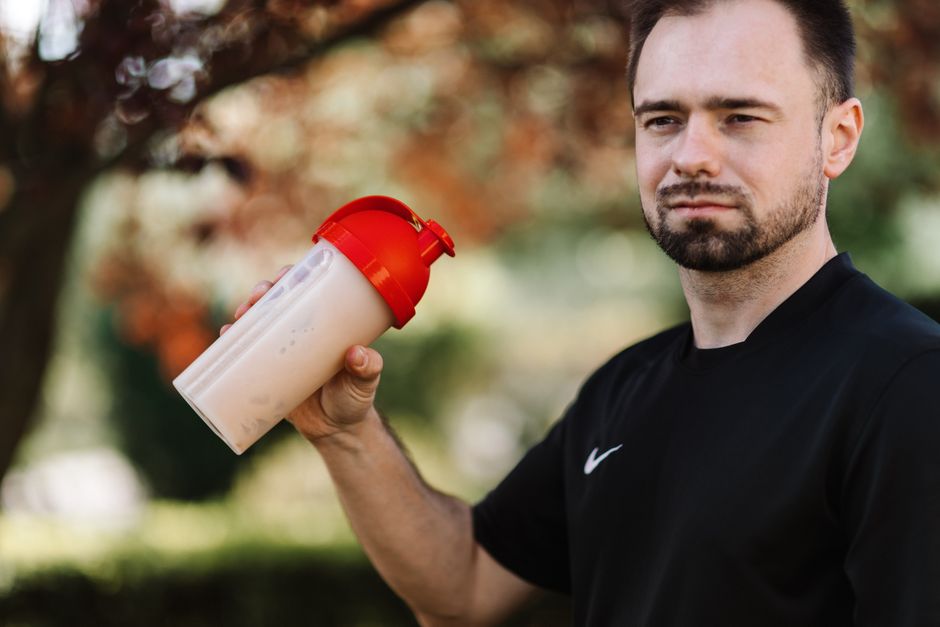
Protein powder is a concentrated protein source, and what you mix it with changes its flavor, texture, and nutrition. Ten common mixers are water, milk, plant-based milk, yogurt, oatmeal, fruit smoothies, coffee, nut butter blends, juice, and cottage cheese. Each works differently, so the best choice depends on your goals and how your stomach handles dairy, fiber, and sugar.
None of these mixers are a treatment for anything. They are simply ways to add protein to foods and drinks people already eat. That is the honest framing. Protein powder is a supplement, not a medicine, and the evidence around it is mostly about muscle repair, satiety, and meeting daily protein needs.
Why Does the Mixer Matter as Much as the Protein?
The liquid or food you choose determines how fast protein empties from your stomach, how much additional nutrition comes along, and whether the result is drinkable or spoonable.
Water moves through the stomach quickly. Milk and yogurt slow that down because they contain fat, protein, and lactose. That slower emptying tends to keep you full longer. It does not change the protein itself. It changes the pace and the company that protein keeps.
A second point people miss: many mixers add their own protein. A cup of milk or a container of Greek yogurt contributes grams of protein on top of the powder. A cup of orange juice contributes almost none. If your goal is total daily protein, the mixer is part of the math.
Flavor and texture matter too. Some powders clump in hot liquid. Some turn gritty in acidic juice. Some blend smooth in a shaker and chalky in a blender. These are practical issues, not health ones, but they decide whether you actually drink the thing.
What Can You Mix With Protein Powder? 10 Ideas
Here are ten mixers that work, with what each one does to the final product.
- Water. The simplest option. No added calories, no added sugar, thin texture. Best for people tracking calories closely or who dislike dairy.
- Dairy milk. Adds protein, calcium, and fat. Creamier texture. Not suitable for anyone who avoids lactose.
- Plant-based milk. Soy, almond, oat, and pea milks all work. Soy and pea tend to carry more protein than almond or oat. Check the label, because amounts vary widely by brand.
- Greek yogurt. Creates a thick, spoonable consistency closer to pudding than a drink. High in protein on its own.
- Oatmeal. Stir powder into cooked oats or overnight oats. Adds protein to a meal that is mostly carbohydrate.
- Fruit smoothies. Blend with banana, berries, or mango. The fruit adds fiber, vitamins, and natural sugar.
- Coffee. A common way to add protein to a morning drink. Hot coffee can make some powders clump, so add the powder to a small amount of cool liquid first.
- Nut butter blends. Peanut or almond butter plus powder plus liquid makes a thick shake. High in fat and calories.
- Juice. Works for flavor, but juice is mostly sugar and water with little protein. Acidic juices can curdle dairy-based powders.
- Cottage cheese. Blended cottage cheese plus powder makes a very high-protein base for dips or bowls. Texture is thick and slightly salty.
These are not the only options. They are the ones most people already have in the kitchen.
Which Mixer Is Best for Muscle Recovery?
For muscle repair after resistance training, the total protein you eat across the day matters more than the mixer. Research on protein timing and muscle protein synthesis consistently points to daily total intake as the primary driver, with post-exercise timing playing a smaller role.
That said, a few practical points hold up.
Milk and dairy-based mixers add their own protein and a mix of fast and slow digesting proteins. Some studies suggest dairy protein supports muscle protein synthesis well after exercise. Water adds nothing but still delivers the powder.
Carbohydrate matters for glycogen replacement after long or intense sessions. A fruit smoothie or juice-based shake adds carbs that water does not. For a casual workout, this difference is small. For endurance training, it can matter.
What does not hold up is the idea that you must drink a shake within a narrow window or the workout is wasted. The evidence supports a wider window than the old “30-minute” rule suggested, and total daily protein intake remains the stronger factor.





How Do Mixers Change Calories and Macronutrients?
The same scoop of powder can produce a very different drink depending on what it goes into. The table below shows general ranges, not exact values, because brands and portions vary.
| Mixer (1 cup unless noted) | Adds protein | Adds calories | Notes |
|---|---|---|---|
| Water | None | None | Thinnest texture |
| Dairy milk | Yes | Moderate | Adds calcium, fat, lactose |
| Soy milk | Yes | Low to moderate | Protein varies by brand |
| Almond milk | Minimal | Low | Low protein |
| Greek yogurt (1 container) | Yes | Moderate | Thick, spoonable |
| Oatmeal (1 cup cooked) | Minimal | Moderate | Mostly carbohydrate |
| Fruit smoothie | Depends on base | Moderate to high | Adds fiber and sugar |
| Coffee | None | None | Can clump powder |
| Nut butter (2 tbsp) | Small | High | High fat |
| Juice | None | Moderate | Mostly sugar |
| Cottage cheese (1 cup) | Yes | Moderate | Thick, salty |
Exact numbers depend on the specific product. Read the labels on both the powder and the mixer if you are tracking intake closely.
Are There Downsides to Certain Mixers?
Yes, and they are mostly about digestion and sugar, not danger.
Dairy mixers can cause bloating, gas, or loose stools in people with lactose intolerance. Whey-based powders can do the same. Plant-based powders and plant milks avoid this for many people, though not everyone.
Juice and sweetened plant milks add sugar without much nutritional benefit. A shake made with juice is not the same as one made with milk or yogurt, even if the protein content looks similar on the scoop.
Very high-fiber mixers, like large amounts of certain fruits or added fiber, can cause gas and cramping if you are not used to them. Start smaller and see how you respond.
Hot liquids are a texture problem more than a health one. Boiling water or coffee can denature some proteins and cause clumping, but it does not make the protein unsafe. It just makes it unpleasant to drink.
Does the Mixer Affect How Well You Absorb Protein?
Absorption of protein is efficient in healthy people regardless of the mixer. The body breaks protein into amino acids and absorbs them in the small intestine. The mixer changes the speed and the accompanying nutrients, not whether the protein gets used.
What can affect absorption is a medical condition. People with malabsorption disorders, certain gastrointestinal diseases, or who have had bariatric surgery may absorb nutrients differently. That is a conversation for a clinician, not a shake recipe.
For most healthy adults, the mixer is a preference and a nutrition choice, not a factor in whether the protein “works.”
How Should You Choose a Mixer?
Start with your goal, then pick the mixer that fits it.
- Tracking calories closely: water or unsweetened plant milk.
- Want more protein per shake: dairy milk, soy milk, Greek yogurt, or cottage cheese.
- Need carbs around training: fruit smoothie or juice.
- Want a thicker, meal-like texture: yogurt, oatmeal, or nut butter blends.
- Avoiding dairy: plant milks, water, or juice.
There is no single best mixer. There is a best mixer for what you are trying to do that day. And if you are unsure how protein powder fits your overall diet, a registered dietitian can help you sort out total intake rather than one shake at a time.
Frequently Asked Questions
Can you mix protein powder with just water?
Yes, water is the simplest mixer and adds no calories or sugar. It produces a thinner drink than milk or yogurt.
Is it better to mix protein powder with milk or water?
Milk adds protein, calcium, and fat, while water adds nothing but still delivers the powder. The better choice depends on your calorie and protein goals, not on absorption.
Can you put protein powder in hot coffee?
You can, but hot coffee often makes powder clump. Mix the powder into a small amount of cool liquid first, then add it to the coffee.
Does the mixer change how much protein you absorb?
No, healthy people absorb protein efficiently regardless of the mixer. The mixer changes the speed of digestion and the extra nutrients, not whether the protein is used.
