

The Autoimmune Protocol, or AIP, is an elimination diet designed to reduce inflammation and identify food triggers in people with autoimmune conditions. Unlike general “clean eating” plans, AIP removes entire food groups that are thought to provoke an immune response. The goal is not permanent restriction but a structured reset. After a period of strict elimination, foods are slowly reintroduced to see how your body responds.
On the AIP diet, you can eat meat, fish, seafood, vegetables (except nightshades), fruits, and healthy fats like olive oil and coconut oil. You must avoid grains, legumes, dairy, eggs, nuts, seeds, nightshade vegetables, refined sugars, and processed foods. This list is strict because the diet removes all foods that are common allergens or that research suggests may drive gut inflammation in susceptible people.
The diet is not a weight-loss plan. It is a therapeutic protocol. Most people follow it for a minimum of 30 days before testing reintroductions. Some people need longer. The strict phase is only the beginning of the process.
What Foods Are Allowed on the AIP Diet?
The allowed list is built around nutrient-dense whole foods. These foods provide vitamins, minerals, and antioxidants without the compounds that the diet targets for removal. Here is the full list of what you can eat freely during the elimination phase.
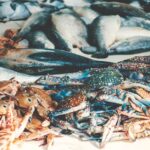
Animal proteins: Beef, chicken, lamb, pork, turkey, and game meats are all allowed. Fish and shellfish are allowed, including salmon, sardines, mackerel, shrimp, and crab. Organ meats are strongly encouraged on AIP because they are among the most nutrient-dense foods available. Liver, heart, and kidney are rich in B vitamins, iron, and coenzyme Q10. If you have never eaten organ meats, start with small amounts mixed into ground meat.
Vegetables (non-nightshade): Most vegetables are allowed. This includes leafy greens like spinach, kale, and Swiss chard. It includes cruciferous vegetables like broccoli, cauliflower, and Brussels sprouts. Root vegetables like sweet potatoes, carrots, and beets are allowed and are a key source of carbohydrates on this diet. Onions, garlic, leeks, mushrooms, and celery are all fine.
Fruits: All fruits are allowed, but some AIP practitioners recommend limiting high-sugar fruits like bananas and grapes during the strict phase. Berries are generally encouraged because they are high in antioxidants. Avocado is technically a fruit and is allowed. It is a good source of healthy fat.
Healthy fats: Olive oil, coconut oil, avocado oil, and palm oil are allowed. Animal fats like lard, tallow, and duck fat are also allowed. Coconut milk and coconut cream are permitted as long as they contain no additives. Butter is not allowed because it is dairy.
Fermented foods: Fermented vegetables like sauerkraut and kimchi are allowed if they are made without added sugar or nightshade spices. Kombucha is allowed if it has no added sugar. Coconut yogurt is allowed. These foods provide probiotics that support gut health, which is central to the AIP rationale.
Herbs and spices: Most herbs are allowed, including basil, oregano, rosemary, thyme, and parsley. Ground ginger and turmeric are allowed. Cinnamon is allowed. Sea salt is allowed. Spices derived from seeds are not allowed, which means no cumin, coriander, or mustard powder. Black pepper is not allowed because it is a seed.
Beverages: Water, herbal tea, and bone broth are the standard beverages on AIP. Bone broth is a staple of the diet because it contains collagen, gelatin, and amino acids that support gut lining integrity. Green tea is allowed in some versions of AIP but not others. Check the specific protocol you are following.
What Foods Are Banned During the AIP Elimination Phase?
The banned list is long, and each category is removed for a specific reason. Understanding these reasons helps you follow the diet correctly and explains why the restrictions are so broad.
Grains: All grains are banned, including wheat, rice, oats, corn, barley, and rye. This includes gluten-free grains. The diet removes grains because they contain lectins and other antinutrients that may irritate the gut lining. This is one of the most significant differences between AIP and the paleo diet, which allows white rice.
Legumes: All beans, lentils, peanuts, and soy products are banned. This includes soy sauce, tofu, and edamame. Legumes contain lectins and phytic acid. Peanuts are botanically a legume, not a nut, and are excluded.
Dairy: All dairy is banned, including milk, cheese, yogurt, and butter. This includes ghee, which many paleo diets allow. Dairy proteins like casein and whey are common allergens. Lactose is a sugar that some people cannot digest. The AIP removes all forms to eliminate any potential trigger.
Eggs: Eggs are banned, including the whites and the yolks. Egg whites contain a protein called albumin that some researchers believe can pass through a compromised gut lining and trigger an immune response. Even egg yolks are excluded during the strict phase.
Nuts and seeds: All nuts and seeds are banned, including almonds, walnuts, cashews, and chia seeds. This includes seed-derived spices like cumin, coriander, and caraway. It also includes seed-based oils like sunflower oil and canola oil. Coffee is banned because coffee beans are seeds. Cocoa is banned for the same reason.
Nightshade vegetables: Tomatoes, potatoes, eggplant, peppers, and tomatillos are banned. This includes all varieties of peppers, from bell peppers to chili peppers. It includes paprika and cayenne, which are made from peppers. Nightshades contain alkaloids that some research suggests may contribute to inflammation in sensitive individuals. This is one of the most debated parts of the diet because the evidence in humans is limited.
Refined sugar and processed foods: White sugar, brown sugar, high-fructose corn syrup, and artificial sweeteners are banned. Processed meats like bacon and deli meats are banned unless they contain no additives. Food additives, preservatives, and emulsifiers are all banned because they may disrupt the gut microbiome.
Alcohol: All alcohol is banned during the elimination phase. Alcohol can increase intestinal permeability, which is the condition AIP is designed to address.
Why Does the AIP Diet Remove So Many Foods?
The AIP diet is based on the theory that autoimmune conditions involve a breakdown in the gut barrier. When the intestinal lining becomes permeable, undigested food particles and bacterial toxins can enter the bloodstream. The immune system responds to these foreign particles, and in some cases, the response may cross-react with the body’s own tissues.
This is called molecular mimicry. A protein fragment from a food may look similar to a protein in your thyroid or joints. The immune system attacks the food fragment, then attacks the similar body tissue. The AIP removes the most common triggers for this process.
Research on the gut microbiome has strengthened interest in this approach. Studies have found that people with autoimmune conditions often have less diverse gut bacteria than healthy controls. Diet is the fastest way to influence the gut microbiome. The AIP is designed to feed beneficial bacteria while removing foods that may feed harmful ones.
It is important to be clear about the evidence. The AIP diet has not been proven to cure any autoimmune disease. Some clinical trials have shown promise, particularly for inflammatory bowel disease, but the studies are small. The diet is best understood as a tool that some people find helpful, not a guaranteed treatment.


How Long Do You Stay on the Elimination Phase?
The standard recommendation is a minimum of 30 days on the strict elimination phase. Some practitioners recommend 60 to 90 days, especially for people with severe symptoms. The goal is to reach a point where symptoms are noticeably improved or gone before you begin reintroductions.
The elimination phase is not meant to be permanent. The full AIP protocol includes a reintroduction phase where you add foods back one at a time. Each food is tested for three days to see if symptoms return. This is how you learn which foods are problems for you personally.
Reintroduction follows a specific order. Foods are typically reintroduced in order of least likely to cause a reaction, starting with egg yolks, then nuts, then seeds, then nightshades. Each reintroduced food is eaten in increasing amounts over several days while you track symptoms closely. If symptoms return, you remove that food and wait until you are stable again before testing the next one.
This is why the AIP diet is not a quick fix. The elimination phase is challenging, and the reintroduction phase requires careful attention. The payoff is a personalized understanding of your food sensitivities that no generic diet can provide.
What Does a Typical Day of AIP Meals Look Like?
Breakfast might be leftover roasted sweet potatoes with sautéed spinach and ground beef. Lunch could be a large salad with grilled chicken, avocado, and olive oil dressing. Dinner might be baked salmon with roasted carrots and a side of sauerkraut. Snacks can be fruit with coconut butter or a small portion of leftover meat.
Meal prep is important on AIP because the diet removes so many convenience foods. Cooking in bulk and freezing portions makes the diet more manageable. Bone broth can be made in a slow cooker and used as a base for soups. Roasted vegetables can be prepared in large batches and eaten throughout the week.
Eating out is difficult but not impossible. Grilled meat and steamed vegetables are often safe options if you ask about cooking oils. Most restaurant food is cooked in seed oils, which are banned on AIP. Many people find it easier to cook at home during the elimination phase.
Are There Risks to the AIP Diet?
The AIP diet can lead to nutrient deficiencies if followed poorly. Removing dairy and eggs eliminates common sources of calcium and vitamin D. Removing grains reduces B vitamin intake. You need to eat a wide variety of allowed foods to meet your nutritional needs. Organ meats and fatty fish are important for this reason.
Weight loss is common on AIP because the diet removes most processed foods and added sugars. This is not a problem for most people, but if you are already underweight, you may need to work with a dietitian to maintain your weight. The diet is also expensive, since it emphasizes high-quality meat and fresh produce.
The AIP diet is not recommended for pregnant women, breastfeeding mothers, or children without medical supervision. These groups have higher nutritional needs that the restricted diet may not meet. Anyone considering AIP should discuss it with their doctor first, especially if they take medications for an autoimmune condition.
No large clinical trials have confirmed that AIP changes the course of autoimmune disease. The existing studies are promising but small. The diet is a personal experiment, not a proven medical treatment. If you try it, work with a healthcare provider who understands the protocol and can monitor your health.
Frequently Asked Questions
Can I drink coffee on the AIP diet?
No, coffee is banned during the elimination phase because coffee beans are seeds. Some people reintroduce coffee later, but it often triggers symptoms because it can increase intestinal permeability.
Is fruit allowed on the AIP diet?
Yes, all fruits are allowed, but some practitioners recommend limiting high-sugar fruits during the strict phase. Berries are especially encouraged because they are high in antioxidants and lower in sugar.
Can I eat white rice on the AIP diet?
No, white rice is a grain and is banned during the elimination phase. This is a key difference between AIP and the standard paleo diet, which allows white rice.
How do I know if a food is causing my symptoms?
You reintroduce foods one at a time after the elimination phase and track your symptoms for three days. If symptoms return, that food is likely a trigger for you and should be removed again.
