
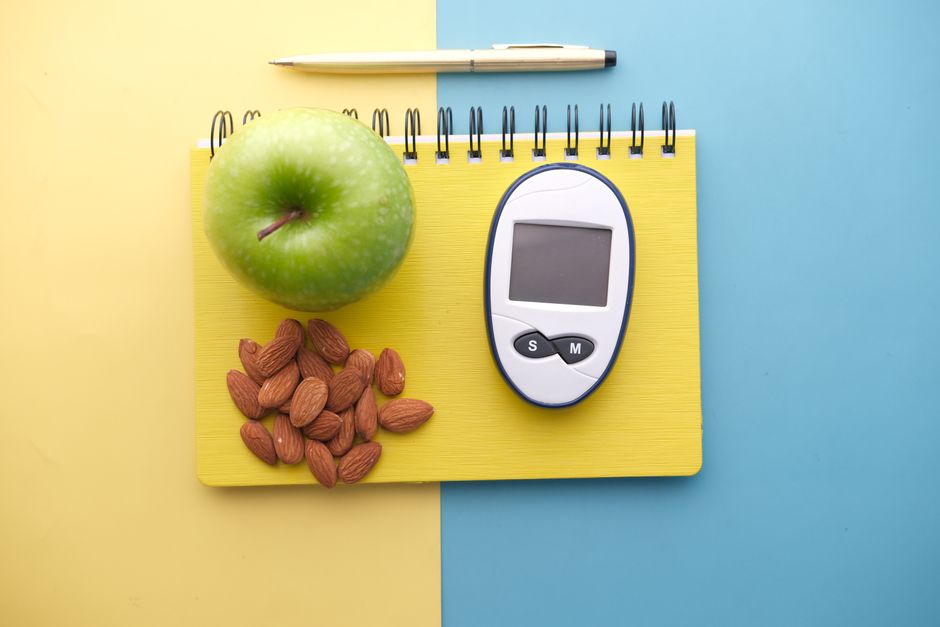
Your blood sugar rises after you eat, and your body has built-in systems to bring it back down. The single most effective thing most people can do to lower blood sugar is to change how they eat and move — not just what they eat. Cutting refined carbohydrates, adding fiber and protein to meals, walking after eating, and losing excess weight all have real evidence behind them. For some people, medication is also necessary, and that is a medical decision, not a failure of willpower.
This guide separates what research strongly supports from what is still uncertain. It covers food, movement, sleep, weight, and when to talk to a doctor. It does not promise a cure, because there isn’t one for diabetes — but blood sugar can be managed, and in some cases pushed into remission.
What Can You Do To Lower Your Blood Sugar?
Focus on a small number of changes that have the strongest evidence: reduce refined carbohydrates and added sugar, eat more fiber and protein, move your body regularly (especially after meals), get enough sleep, and lose excess weight if you carry it. These steps affect blood sugar through well-understood biology.
Here is what happens. Carbohydrates break down into glucose, which enters your bloodstream. Your pancreas releases insulin, a hormone that signals cells to take up that glucose. In type 2 diabetes, cells respond poorly to insulin (insulin resistance), and the pancreas may not produce enough. The result is glucose staying too high in the blood.
Anything that lowers the glucose load, improves insulin sensitivity, or helps the body use glucose more efficiently will lower blood sugar. Diet and exercise do all three. That is why they are the foundation of every major diabetes guideline.
One clarification worth knowing: “blood sugar” usually refers to blood glucose. Fasting glucose between 70 and 99 mg/dL is considered normal. A fasting level of 100 to 125 mg/dL is called prediabetes, and 126 mg/dL or higher on two occasions is one way diabetes is diagnosed. An A1C of 5.7% to 6.4% signals prediabetes, and 6.5% or above signals diabetes. These are established diagnostic thresholds.
Which Foods Lower Blood Sugar Most?
No single food “lowers” blood sugar the way a medication does. But some foods blunt the rise after a meal, and swapping them in for refined carbohydrates makes a measurable difference. The pattern matters more than any one item.
Fiber is the strongest dietary lever. Soluble fiber slows how fast glucose enters the bloodstream. It is found in oats, beans, lentils, barley, apples, and vegetables. Most adults fall short of the recommended fiber intake — roughly 25 grams a day for women and 38 grams for men, according to national dietary guidelines.
Protein and healthy fats slow digestion and increase fullness, which helps with portion control. Fish, eggs, poultry, tofu, nuts, olive oil, and avocado are examples.
What to limit: sugary drinks, white bread, white rice, pastries, and heavily processed snacks. Liquid sugar is especially potent because it hits the bloodstream fast with little to slow it down.
- Choose whole grains over refined grains when possible.
- Add beans or lentils to meals several times a week.
- Pair carbohydrates with protein or fat rather than eating them alone.
- Drink water instead of soda or sweetened juice.
- Eat vegetables first at a meal — some studies suggest this order reduces the post-meal glucose spike.
The last point is interesting but not fully settled. The evidence that eating vegetables before carbohydrates lowers the glucose spike is real but comes mostly from smaller studies. It is a reasonable habit, not a proven treatment.
Does Exercise Lower Blood Sugar?
Yes. Muscle uses glucose for fuel, and when muscles contract during activity, they can take up glucose even without much insulin. This is one reason a walk after a meal can lower blood sugar.
Two types of exercise matter, and they do different things:
- Aerobic exercise — walking, cycling, swimming — lowers blood sugar during and shortly after activity.
- Resistance training — weights or bodyweight exercises — builds muscle, and more muscle means more capacity to store and use glucose over the long term.
General guidance for adults is at least 150 minutes of moderate activity per week, spread across several days, plus muscle-strengthening activity on two or more days. For people with diabetes, clinical guidance often recommends not going more than two consecutive days without activity, because the blood-sugar benefits fade quickly.
A short walk after meals is one of the most practical tools available. It does not require special equipment or a gym. The effect is modest per walk, but it adds up across the day.
One caution: if you take insulin or certain diabetes medications, exercise can lower blood sugar too much. Talk to your doctor about monitoring and adjusting, especially before starting a new routine.
Can Weight Loss Lower Blood Sugar?
Yes, and the effect can be substantial. Excess fat, particularly around the abdomen and organs, contributes to insulin resistance. Losing weight improves how well the body responds to insulin.
For some people with type 2 diabetes, significant weight loss — through intensive diet changes or bariatric surgery — has produced remission, meaning blood sugar returns to the normal range without medication. This is documented in clinical research, but it does not happen for everyone, and remission is not the same as a cure. Blood sugar can rise again if weight returns.
The word “remission” is used carefully in medicine. It means glucose is back in the normal range for a sustained period without glucose-lowering drugs. It does not mean the underlying tendency has disappeared.
Modest weight loss — even a small percentage of body weight — can improve blood sugar and other health markers. The goal does not have to be dramatic to matter.
Do Sleep and Stress Affect Blood Sugar?
Yes, more than most people realize. Poor sleep and ongoing stress both raise blood sugar, partly through hormones like cortisol that increase glucose release and reduce insulin sensitivity.
Short or disrupted sleep is linked to higher fasting glucose and worse insulin sensitivity in research. The relationship runs both ways — high blood sugar can also disturb sleep, especially if it causes nighttime urination.
Chronic stress keeps stress hormones elevated, which pushes glucose up. It also affects eating and exercise habits, which compounds the effect.
Practical steps include keeping a consistent sleep schedule, aiming for the generally recommended 7 to 9 hours for adults, and finding stress-management approaches that work for you. There is no single proven method for stress reduction, but regular physical activity, breathing exercises, and social connection are reasonable and low-risk.
When Should You See a Doctor About Blood Sugar?
See a doctor if you have symptoms of high blood sugar, if you have risk factors for diabetes, or if you are already diagnosed and your numbers are not improving. Symptoms of high blood sugar include increased thirst, frequent urination, unexplained weight loss, fatigue, and blurred vision.
Risk factors for type 2 diabetes include being over age 35, carrying excess weight (especially around the abdomen), having a family history of diabetes, being physically inactive, and having had gestational diabetes during pregnancy. Certain racial and ethnic groups also have higher risk, including Black, Hispanic, Native American, and Asian American populations.
Diagnosis is not something to self-assess. A fasting glucose test or an A1C test gives a clear answer, and both are simple blood tests.
If you are already managing diabetes, your doctor can help adjust your plan based on your numbers. Some people need medication from the start, and that is not a personal failing — type 2 diabetes is a progressive condition, and the pancreas often produces less insulin over time.
Never stop or change a prescribed diabetes medication without medical guidance. Doing so can cause dangerous spikes in blood sugar.
What About Supplements and “Blood Sugar” Products?
Be skeptical. The market for blood sugar supplements is large, and most products are not supported by strong human trials. A few ingredients, such as cinnamon and berberine, have some research behind them, but results are mixed and the studies are often small.
The evidence for cinnamon is inconsistent. Some studies show a small effect on fasting glucose; others show none. Berberine has shown promise in some trials, but it can interact with medications and should not be taken without medical advice.
No supplement has been shown to replace diet, exercise, or prescribed medication. If a product claims to “cure” diabetes or “reverse” it permanently, that claim is not supported by evidence.
Always tell your doctor about any supplement you take, because interactions with diabetes medications are possible.
How Long Does It Take to See Results?
Some changes work within hours. A walk after a meal can lower blood sugar within the same day. Dietary changes can affect post-meal glucose right away. But changes to A1C — the average of your blood sugar over roughly the past three months — take longer to show up.
A1C reflects the previous two to three months of glucose levels, so meaningful changes typically appear over weeks to months, not days. This is why doctors often check A1C every three to six months.
Consistency matters more than intensity. A sustainable routine of moderate eating changes and regular movement usually beats an extreme plan that lasts two weeks.
Frequently Asked Questions
What is the fastest way to lower blood sugar naturally?
Physical activity is the fastest natural method, since working muscles take up glucose within minutes. A brisk walk after a meal can lower blood sugar within the same day.
Does drinking water lower blood sugar?
Staying hydrated helps the kidneys remove excess glucose through urine, but water alone does not significantly lower blood sugar. It is a supportive habit, not a treatment.
Can you lower blood sugar without medication?
Many people with prediabetes or early type 2 diabetes can lower blood sugar through diet, exercise, and weight loss. Whether medication is needed depends on how high your numbers are and how your body responds, so this is a decision to make with a doctor.
Does coffee raise blood sugar?
Plain coffee has little effect on most people, but caffeine can raise blood sugar slightly in some. Sugary coffee drinks are a bigger concern than the coffee itself.
