
Neuropathy is damage to the nerves outside your brain and spinal cord. It causes pain, tingling, numbness, and weakness, most often in the hands and feet. The best answer to what you can do for neuropathy depends on the cause. The first step is always a medical diagnosis. From there, treatment focuses on managing the underlying condition, relieving symptoms, and protecting your nerves from further harm.
What Are the Main Causes of Neuropathy?
Neuropathy is not a single disease. It is a condition with many possible causes. Identifying the root cause is the single most important step because it determines the treatment path.
Diabetes is the most common cause in the United States. High blood sugar damages nerve fibers over time. This is called diabetic neuropathy. It affects nearly half of all people with diabetes at some point.
Other causes include:
- Vitamin deficiencies, especially B12
- Alcohol use disorder
- Autoimmune diseases like lupus or rheumatoid arthritis
- Kidney or liver disease
- Thyroid disorders
- Certain medications, including some chemotherapy drugs
- Physical injury or pressure on a nerve
- Infections such as Lyme disease or shingles
Sometimes no cause is found. This is called idiopathic neuropathy. It is more common in people over 60. When the cause is unknown, treatment focuses entirely on symptom management and safety.
What Can You Do For Neuropathy Starting Today?
Several actions can be taken immediately. These do not replace medical care, but they are safe and useful first steps.
Check your feet daily. Nerve damage reduces sensation. You may not feel a blister, cut, or sore. Inspect your feet every evening with a mirror if needed. Look for redness, swelling, warmth, or breaks in the skin. Catch problems early before they become infections.
Stop smoking. Smoking narrows the blood vessels that supply your nerves. This reduces oxygen and nutrients reaching already-damaged tissue. Quitting slows the progression of neuropathy.
Limit alcohol. Alcohol is directly toxic to nerves. It also interferes with nutrient absorption. If you have neuropathy, reducing or eliminating alcohol is one of the most effective lifestyle changes you can make.
Move safely. Exercise improves blood flow and reduces pain for many people. But poor balance is a real risk. Use a cane or walker if you feel unsteady. Remove loose rugs and keep walkways clear.
Wear proper footwear. Shoes should be comfortable, supportive, and not too tight. Socks should not have tight elastic bands that restrict circulation.
How Is Blood Sugar Control Linked to Nerve Health?
If diabetes is the cause, blood sugar control is the foundation of treatment. High glucose levels damage the small blood vessels that feed nerves. Over time, this starves the nerve fibers and they die.
Research consistently shows that tight blood sugar control reduces the risk of developing diabetic neuropathy. It also slows its progression once it starts. The effect is not immediate. It takes months or years of consistent control to see meaningful differences in nerve function.
Your doctor can measure your long-term blood sugar control with an A1C test. This test shows your average blood sugar over the past two to three months. The general target for most adults with diabetes is an A1C below 7 percent. Your doctor may set a different target based on your individual health.
Even if your neuropathy is not from diabetes, keeping blood sugar stable is still wise. High blood sugar damages nerves regardless of the original cause.




Which Medications Are Used for Neuropathy Pain?
Several medications are approved or commonly used for neuropathic pain. They are different from typical pain relievers like ibuprofen or acetaminophen. Those do not work well for nerve pain.
Gabapentin and pregabalin are first-line treatments. They calm overactive nerve signals. They were originally developed as anti-seizure drugs but are now widely prescribed for nerve pain. They can cause drowsiness and dizziness, especially when starting.
Certain antidepressants also help with nerve pain. Amitriptyline, nortriptyline, and duloxetine are the most common ones used. They work on brain chemicals that influence pain perception. The doses used for pain are often lower than those used for depression.
Topical treatments are available as creams, patches, or gels. Capsaicin cream, made from chili peppers, can reduce pain signals. Lidocaine patches numb the area directly. These are generally well tolerated because they do not enter the bloodstream in large amounts.
Opioids are rarely recommended for neuropathy. They have significant risks and their long-term effectiveness for nerve pain is not well established. They are reserved for severe cases that do not respond to other treatments.
No single medication works for everyone. It is common to try several before finding one that helps. It can take weeks to see the full effect of any nerve pain medication.
Do Supplements Actually Help Neuropathy?
This is an area with a lot of marketing and very little solid evidence. Be cautious with any product claiming to cure or reverse nerve damage.
Vitamin B12 is the exception. A true B12 deficiency causes neuropathy. If a blood test confirms low levels, supplementation can improve or even reverse the symptoms. This is well established. Do not assume you are deficient without testing. Taking extra B12 when your levels are normal will not help.
Alpha-lipoic acid has been studied for neuropathy. Some research suggests it may reduce pain symptoms. The evidence is mixed, and study results vary. It is available over the counter, but talk to your doctor before taking it. It can affect blood sugar levels.
Vitamin B6 is worth mentioning because too much of it causes neuropathy. High doses from supplements can damage nerves. This is a case where more is definitely not better. The recommended dietary allowance for adults is about 1.3 milligrams per day. Do not exceed the upper limit of 100 milligrams per day from supplements.
No large human trials have confirmed that any other supplement reliably treats neuropathy. Products that promise to “repair nerves” or “restore sensation” have not met this standard. Save your money and focus on proven treatments.
What Nondrug Therapies Are Worth Trying?
Several nondrug approaches have real evidence behind them. They are often used alongside medication.
Physical therapy strengthens muscles weakened by nerve damage. It also improves balance and coordination. A physical therapist can teach you specific exercises for your needs.
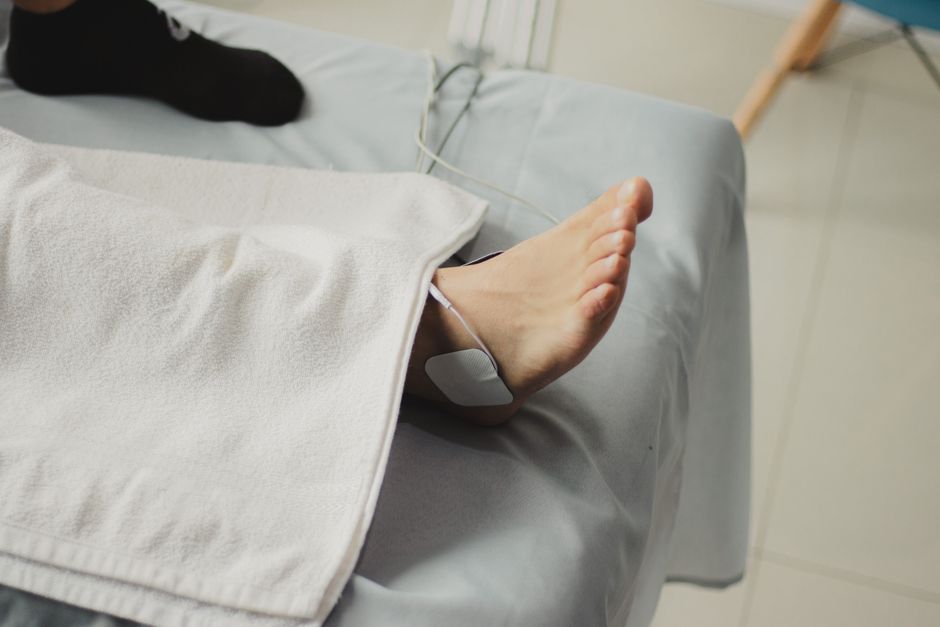
Transcutaneous electrical nerve stimulation, or TENS, uses a small device that sends mild electrical pulses through the skin. Some studies suggest it reduces neuropathic pain. The evidence is moderate. It is a low-risk option that some people find helpful.
Acupuncture has been studied for neuropathy. Some research indicates it may reduce pain for certain people. The evidence is not strong enough to call it a proven treatment, but it is generally safe when performed by a licensed practitioner.
Cognitive behavioral therapy helps with the emotional side of chronic pain. It teaches coping strategies and can reduce pain perception. It does not cure neuropathy but it can improve quality of life.
When Should You See a Doctor?
See a doctor promptly if you have new or worsening symptoms. Numbness, tingling, burning, or weakness in your hands or feet deserves an evaluation. Early diagnosis matters because some causes are reversible if treated quickly.
Seek urgent medical care if you have:
- Sudden weakness or paralysis
- Difficulty speaking or breathing
- Loss of bowel or bladder control
- Rapidly spreading numbness
These symptoms can indicate a medical emergency unrelated to typical neuropathy. Do not wait to see if they improve.
Your doctor will take a history, do a physical exam, and likely order blood tests. They may refer you to a neurologist, a doctor who specializes in the nervous system. An electromyography test, called an EMG, measures how well your nerves send signals. This can confirm the diagnosis and show the severity.
Frequently Asked Questions
Can neuropathy be reversed?
It depends on the cause. Neuropathy from a treatable B12 deficiency or a compressed nerve can improve or resolve. Neuropathy from diabetes or long-standing alcohol use is generally not reversible, but treatment can stop progression and reduce symptoms.
How long does it take for neuropathy to heal?
Nerves heal slowly, often over months to years. If the underlying cause is removed, you may notice gradual improvement. Full recovery is not guaranteed and depends on how much damage has already occurred.
Is walking good for neuropathy?
Yes, for most people. Walking improves circulation and can reduce pain. It also helps control blood sugar. If you have balance problems, use support and walk on even surfaces.
What makes neuropathy worse?
Uncontrolled blood sugar, alcohol, smoking, and vitamin deficiencies all worsen neuropathy. Tight shoes and prolonged pressure on nerves can also increase symptoms. Sitting still for long periods can make pain and stiffness worse.
