
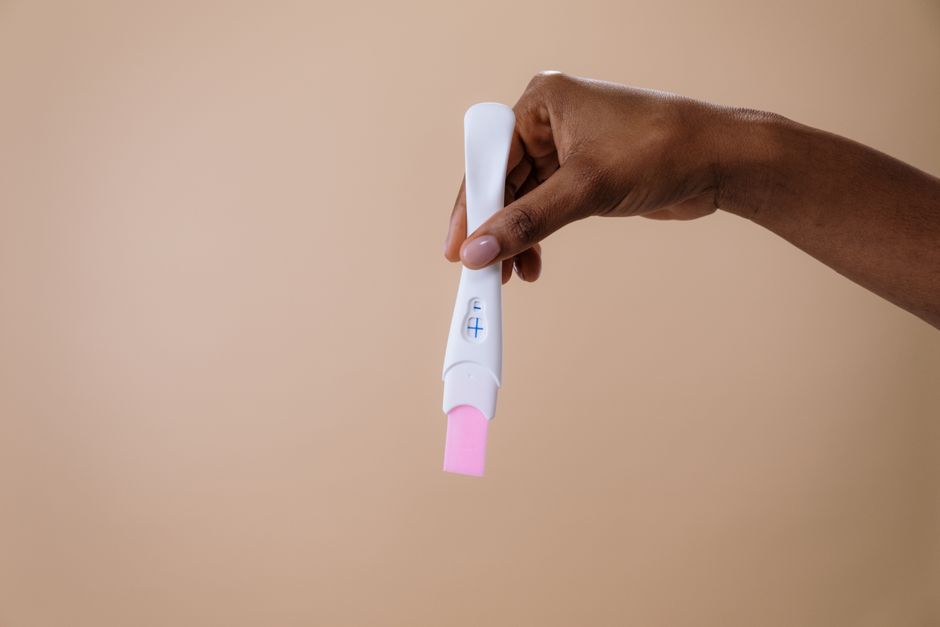
A false positive pregnancy test means the test shows positive even though you are not pregnant. The most common cause is a very early pregnancy loss, often called a chemical pregnancy, where an embryo briefly implants and produces hCG before stopping development. Other causes include certain medications, medical conditions, and — rarely — errors in reading the test or problems with the test itself.
Home pregnancy tests work by detecting human chorionic gonadotropin (hCG), a hormone the body produces after a fertilized egg implants in the uterus. If hCG is present above the test’s detection threshold, the test shows positive. Anything that puts hCG — or a molecule that looks like hCG to the test — into your urine can cause a positive result without a viable pregnancy.
What Can Make a Pregnancy Test False Positive?
The single most common reason for a false positive is a chemical pregnancy. This is a very early miscarriage that happens before or around the time of a missed period. The embryo implants just long enough to trigger hCG production, then stops developing. hCG can stay detectable in urine for days to a couple of weeks afterward, depending on how high it rose.
Many people who have a chemical pregnancy never know it. They see a positive test, then get their period a few days later and assume the test was wrong. In reality, the test was likely correct — a pregnancy did briefly begin.
Beyond early loss, false positives come from a smaller set of causes:
- Medications containing hCG. Some fertility treatments use injectable hCG to trigger ovulation. This can show up on a pregnancy test for a week or more after the injection, depending on the dose.
- Blood or protein in the urine. In some cases, these can interfere with how a test reads, though modern tests are designed to reduce this.
- Certain medical conditions. Rarely, some tumors and other conditions can produce hCG.
- Testing too early after a trigger shot or embryo transfer. Fertility patients are often advised to wait a specific number of days before testing for this reason.
- Reading the test outside its time window. A faint line that appears hours later is not a valid positive.
- Defective or expired tests. Uncommon, but possible.
How Do Chemical Pregnancies Cause a Positive Test?
After fertilization, the developing embryo travels to the uterus and implants in the lining. Once implanted, cells called trophoblasts begin producing hCG. This hormone signals the corpus luteum in the ovary to keep making progesterone, which maintains the uterine lining.
If the embryo stops developing very early, hCG production stops too. But hCG already in the bloodstream takes time to clear. It has a half-life of roughly a day to a day and a half in the blood, meaning levels drop by about half every 24 to 36 hours. A test taken during that window can still read positive.
This is why the timing of testing matters. A positive test followed by a normal period a few days later is often a chemical pregnancy, not a faulty test. Research consistently shows that early pregnancy loss is common — many occur before a person even suspects pregnancy.
Can Fertility Treatments Cause a False Positive?
Yes, and this is one of the most predictable causes. Injectable hCG — sold under brand names used in fertility care — is chemically identical to the hCG your body makes. It is given to trigger ovulation or prepare for procedures like egg retrieval.
After an hCG trigger injection, the hormone can remain detectable in urine for up to about 10 to 14 days, depending on the dose given. Testing too soon after the injection can produce a positive result that reflects the medication, not a pregnancy.
Fertility clinics typically give specific instructions on when to test. Following those instructions matters. Testing early does not give you an earlier answer — it gives you a less reliable one.
Progesterone support is also commonly used in fertility treatment, but progesterone itself does not contain hCG and does not cause a false positive on a standard pregnancy test. This is a common point of confusion.



What Medical Conditions Can Produce hCG Without Pregnancy?
Rarely, certain medical conditions can raise hCG levels enough to trigger a positive test. These include some types of tumors, particularly gestational trophoblastic disease — abnormal growths that start in the cells that would normally form the placenta. This is uncommon but serious.
Some cancers, including certain lung, bladder, and gastrointestinal cancers, can produce hCG in small amounts. These are rare causes and would typically come with other symptoms or be found during medical evaluation.
Certain pituitary conditions can also produce low levels of hCG. These situations are uncommon and are usually identified through blood testing and medical workup, not a home test alone.
If a positive test is confirmed by blood work but no pregnancy is found on ultrasound, a doctor will investigate further. This is standard practice and does not mean something is wrong — it means the situation needs clarification.
Can a Test Itself Give a Wrong Result?
Test error is possible but less common than people assume. Home pregnancy tests are regulated and generally reliable when used correctly. Still, several things can go wrong:
- Evaporation lines. A faint line that appears after the test’s time window has passed is often an evaporation line, not a true positive. Always read the test within the stated time.
- Expired tests. Chemicals in the test strip degrade over time. Check the expiration date.
- Improper storage. Tests stored in hot or damp conditions may not work correctly.
- Too much or too little urine. Dipping the test incorrectly or using a test that requires a specific method can affect results.
- Certain medications and substances. Some medications, including certain fertility drugs and rarely some antipsychotics, have been linked to false results. The evidence varies by drug.
If a result seems unclear, waiting a few days and testing again with a fresh test is the standard approach. hCG levels roughly double every 48 to 72 hours in early pregnancy, so a true pregnancy will usually produce a clearer result on retesting.
How Can You Tell the Difference Between a False Positive and a Real Positive?
You often cannot tell from a single home test. The most reliable way to confirm is a blood test that measures the exact level of hCG, followed by a repeat test to see whether the level is rising as expected in a healthy pregnancy.
A rising hCG level over 48 hours strongly suggests a developing pregnancy. A level that stays the same or falls suggests the pregnancy is not progressing. An ultrasound can confirm a pregnancy once hCG reaches a certain level, though the exact threshold varies and is best interpreted by a clinician.
If you have a positive home test and then start bleeding, contact your doctor. Bleeding in early pregnancy can have several causes, and only a medical evaluation can determine what is happening.
When Should You See a Doctor?
See a doctor if you have a positive test but are unsure whether you are pregnant, especially if you have had fertility treatment, a recent miscarriage, or symptoms like pelvic pain or unusual bleeding.
Also seek care if you have a positive test and severe abdominal pain, heavy bleeding, dizziness, or fainting. These can be signs of an ectopic pregnancy — a pregnancy that implants outside the uterus — which is a medical emergency. Ectopic pregnancy can produce a positive test because hCG is still present.
A positive test is a starting point, not a diagnosis. Confirming with a clinician is the most reliable next step, particularly when the result is unexpected or unclear.
Frequently Asked Questions
Can a pregnancy test be positive and you’re not pregnant?
Yes. The most common cause is a chemical pregnancy, an early loss that briefly produces hCG. Less often, fertility medications containing hCG or certain medical conditions can cause a false positive.
How common are false positive pregnancy tests?
True false positives from test error are uncommon, but chemical pregnancies are common and often mistaken for false positives. Many early losses happen before a person knows they are pregnant.
Can stress cause a false positive pregnancy test?
No. Stress does not produce hCG, so it cannot cause a positive pregnancy test. This is a common myth.
How long after a trigger shot can a pregnancy test be positive?
hCG from a trigger injection can stay detectable in urine for up to about 10 to 14 days, depending on the dose. Follow your clinic’s instructions on when to test.
