
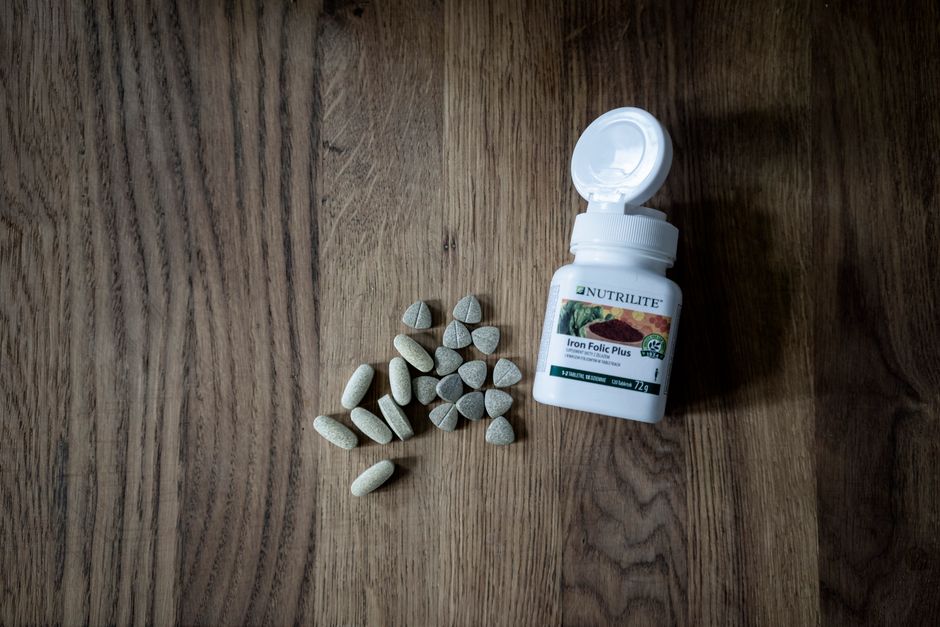
Iron is a mineral your body needs to make hemoglobin, the protein in red blood cells that carries oxygen to every tissue. When iron runs low, hemoglobin production falls, and the result is iron deficiency anemia — a condition that can leave you tired, short of breath, and mentally foggy. Low iron can also cause less obvious problems, including brittle nails, sore tongue, unusual cravings for non-food items, and a weakened immune response.
What surprises many people is how gradual the decline can be. Your body has iron stores, and symptoms often stay mild until those stores are nearly empty. That slow slide is why low iron is easy to dismiss as stress, aging, or just being busy.
What Can Low Iron Cause in the Body?
Iron deficiency affects far more than energy levels. The clearest and best-documented consequence is anemia, but iron plays roles in muscle function, brain chemistry, and immune defense that go beyond red blood cells.
Here is what the evidence supports:
- Iron deficiency anemia — the most common and well-established result. Fewer healthy red blood cells means less oxygen delivered to organs and muscles.
- Fatigue and weakness — the hallmark symptom. It happens because tissues are not getting enough oxygen.
- Impaired immune function — some studies suggest iron deficiency can reduce the body’s ability to fight infection, though the relationship is complex. Iron also feeds certain bacteria, so the picture is not simple.
- Cognitive effects — difficulty concentrating, poor memory, and reduced work performance are documented in people with iron deficiency anemia.
- Pica — an unusual craving to eat non-food items like ice, dirt, or paper. This is a well-recognized symptom of iron deficiency, though researchers still do not fully understand why it occurs.
- Restless legs syndrome — research has linked iron deficiency to this condition, which causes an uncomfortable urge to move your legs, especially at night.
Iron deficiency without anemia is also possible. In this state, hemoglobin may still be normal, but iron stores are low. Some research suggests this can cause fatigue and reduced exercise tolerance even before anemia develops, though findings vary.
What Are the Most Common Symptoms of Low Iron?
Symptoms of low iron range from barely noticeable to disruptive. They tend to appear gradually, which is why many people adapt to them without realizing something is wrong.
Common symptoms include:
- Persistent tiredness or lack of energy
- Shortness of breath with mild activity, like walking up stairs
- Pale skin, especially on the face, palms, and inside the lower eyelids
- Cold hands and feet
- Dizziness or lightheadedness
- Headaches
- Brittle nails or nails that curve upward (koilonychia)
- Sore or smooth tongue
- Cracks at the corners of the mouth
- Unusual cravings for ice, dirt, or starch
- Difficulty concentrating
- Fast or irregular heartbeat in more severe cases
One detail worth knowing: pale skin and fatigue are not specific to low iron. Many conditions cause them. A blood test is the only reliable way to know whether iron is the problem.
How Does Low Iron Affect Different Groups of People?
Iron deficiency does not affect everyone the same way. Certain groups face higher risk and different consequences.
Women Who Menstruate
Heavy menstrual bleeding is one of the most common causes of iron deficiency in women of reproductive age. The blood loss depletes iron faster than diet can replace it. Women with heavy periods are routinely advised to have their iron levels checked.
Pregnant Women
Pregnancy increases iron demand substantially because the body needs extra iron to support the growing fetus and expanded blood volume. Iron deficiency anemia during pregnancy is associated with higher risk of preterm delivery and low birth weight. Established clinical guidance calls for screening and, when indicated, iron supplementation during pregnancy. Do not start or change any supplement during pregnancy without talking to your clinician first.
Infants and Children
Iron is critical for brain development in early life. Iron deficiency during infancy and childhood has been linked to cognitive and behavioral effects, some of which may persist even after iron is restored. This is why pediatric guidelines emphasize iron-rich foods and, in some cases, supplementation. No clinical guidelines currently exist for treating iron deficiency in infants without medical supervision — this is a situation where a pediatrician should direct care.
Older Adults
Iron deficiency in older adults deserves attention because it can be a sign of chronic gastrointestinal blood loss. In this age group, unexplained iron deficiency is often investigated for sources of bleeding in the digestive tract. This does not mean cancer is always the cause, but it is a reason clinicians take low iron seriously in older adults.





What Causes Low Iron in the First Place?
Low iron almost always comes down to one of four problems: not enough iron coming in, too much going out, poor absorption, or increased demand.
Blood loss is the most common cause in adults. For women who menstruate, heavy periods are a leading factor. For men and postmenopausal women, the digestive tract is the most likely source of hidden blood loss — from ulcers, polyps, or other lesions.
Low dietary intake matters, especially for people who avoid meat. Heme iron, found in animal foods, is absorbed more efficiently than non-heme iron from plants. Vegetarians and vegans can meet their iron needs, but it requires planning.
Poor absorption occurs in conditions like celiac disease, inflammatory bowel disease, and after certain types of weight-loss surgery. Some medications, including long-term acid reducers, can also reduce iron absorption.
Increased demand happens during pregnancy, infancy, and periods of rapid growth in children and teens.
Can Low Iron Cause Serious Health Problems?
Yes, if it goes untreated long enough. The severity depends on how low iron levels fall and how long the deficiency lasts.
Mild iron deficiency anemia is usually manageable and reversible with treatment. More severe or prolonged anemia can strain the heart, because it must work harder to circulate oxygen. In some cases, this leads to an enlarged heart or heart failure. Severe anemia can also cause chest pain, fainting, and in rare cases, life-threatening complications.
Iron deficiency during pregnancy carries risks for both mother and baby. And in children, iron deficiency during critical windows of brain development can have lasting effects on learning and behavior.
The good news is that iron deficiency is treatable. The earlier it is found, the simpler the fix tends to be.
How Is Low Iron Diagnosed and Treated?
Diagnosis starts with blood tests. A complete blood count measures hemoglobin and hematocrit. Ferritin, a protein that stores iron, is the most sensitive test for iron deficiency — low ferritin means low iron stores, even before anemia develops. Other tests may include serum iron, transferrin saturation, and total iron-binding capacity.
Treatment depends on the cause and severity. Common approaches include:
- Oral iron supplements — the standard first-line treatment for most people. They are effective but can cause constipation, nausea, or dark stools.
- Dietary changes — increasing iron-rich foods and pairing plant iron with vitamin C to improve absorption.
- Intravenous iron — used when oral iron is not tolerated, not absorbed, or when the deficiency is severe.
- Treating the underlying cause — stopping a source of blood loss or addressing an absorption problem is essential. Iron alone will not fix the problem if the cause continues.
Do not self-diagnose or self-treat with iron supplements. Taking iron when you do not need it can be harmful, and the wrong dose can cause side effects. If you suspect low iron, ask your doctor for a blood test.
Can You Prevent Low Iron?
Prevention is possible for many people, especially when diet is the main factor. The most reliable steps are eating iron-rich foods regularly and addressing any source of ongoing blood loss.
Foods high in heme iron include red meat, poultry, and fish. Non-heme iron comes from beans, lentils, spinach, fortified cereals, and tofu. Pairing plant iron with vitamin C — like squeezing lemon on lentils or eating an orange with fortified cereal — can meaningfully improve absorption.
Certain things block iron absorption when eaten at the same time, including coffee, tea, and calcium supplements. This does not mean you need to avoid them, but timing matters if you are trying to raise your iron.
If you have a condition that causes chronic blood loss or poor absorption, prevention may require medical management rather than diet alone.
Frequently Asked Questions
What are the first signs of low iron?
The earliest signs are often fatigue, pale skin, and feeling short of breath with mild activity. Some people notice unusual cravings for ice or dirt before any other symptom appears.
Can low iron cause anxiety or depression?
Some studies suggest a link between iron deficiency and mood changes, including anxiety and low mood, though the evidence is not conclusive. Fatigue and poor concentration from anemia can also affect emotional well-being.
How long does it take to fix low iron?
Hemoglobin often improves within a few weeks of starting treatment, but rebuilding iron stores can take several months. Your doctor will typically recheck levels to confirm recovery.
Can low iron cause hair loss?
Yes, iron deficiency is a recognized contributor to telogen effluvium, a type of temporary hair shedding. Hair usually regrows once iron levels are restored, though it takes time.
