
Lizards are one of the most diverse groups of animals on the planet, and their diets vary just as much as their appearances. What a lizard can eat depends entirely on its species, with the main categories being insectivores, herbivores, and omnivores. Feeding a lizard the wrong food can lead to serious health problems, so identifying your specific species is the first and most important step before you put anything in its enclosure.
What Can Lizards Eat?
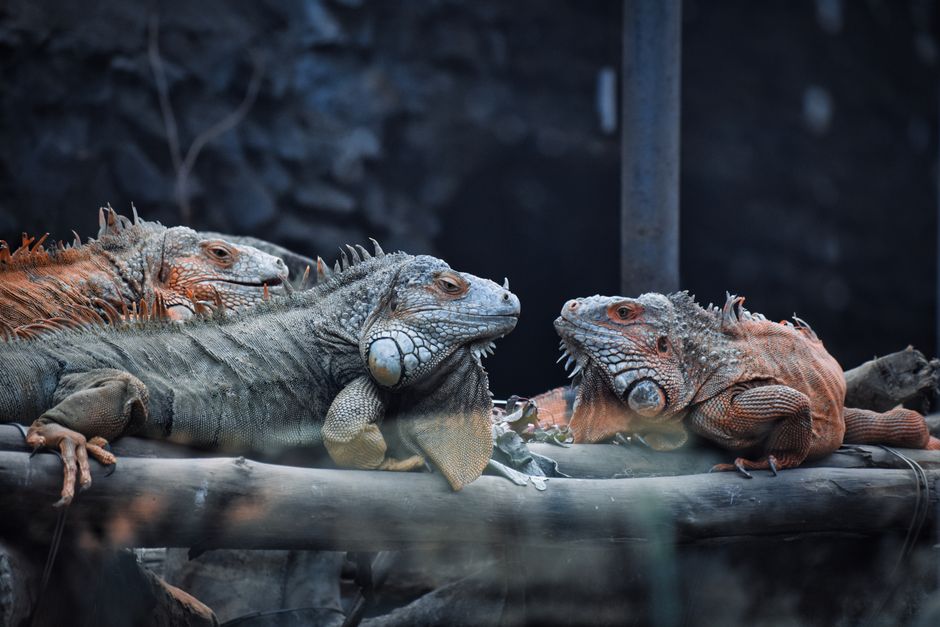
The short answer is that it depends on the species. Most pet lizards fall into three dietary groups: insectivores that eat insects, herbivores that eat plants, and omnivores that eat both. A bearded dragon is an omnivore that thrives on insects and leafy greens, while a crested gecko does best on a commercial fruit-based diet. A green iguana is strictly herbivorous and cannot digest animal protein properly. Knowing which category your lizard belongs to is not optional—it is the foundation of responsible care.
What Do Insectivorous Lizards Eat?
Insectivores make up the largest group of pet lizards. This category includes leopard geckos, most day geckos, anoles, and juvenile bearded dragons. These lizards eat live insects, and the variety matters more than most owners realize.
Staple insects for insectivores include crickets, dubia roaches, black soldier fly larvae, and mealworms. Each insect offers a different nutritional profile. Crickets and dubia roaches are excellent staples because they have a good calcium-to-phosphorus ratio when gut-loaded properly. Mealworms are high in fat and should be treated as an occasional treat rather than a daily food. Waxworms and superworms are even higher in fat and should be reserved for special occasions or for helping a underweight lizard gain weight.
One of the most common mistakes owners make is feeding only one type of insect. A lizard eating only mealworms will likely develop obesity and nutritional deficiencies over time. Rotating between two or three staple insects provides a broader range of nutrients and prevents boredom-related feeding issues.
Gut-loading is the practice of feeding insects a nutritious diet for 24 to 48 hours before offering them to your lizard. This passes nutrients from the insect to the lizard. Dusting insects with a calcium powder is also standard practice for most insectivorous species, particularly for growing juveniles and egg-laying females.
What Do Herbivorous Lizards Eat?
Herbivorous lizards eat only plant matter. The most common pet herbivores are green iguanas, uromastyx, and some species of chuckwallas. These lizards have digestive systems designed to break down fibrous plant material, and feeding them animal protein can cause kidney failure and gout.
A healthy herbivore diet is built on dark leafy greens. Collard greens, mustard greens, dandelion greens, turnip greens, and endive are excellent staples. These greens are high in calcium and low in oxalates, which can bind calcium and prevent absorption. Spinach, Swiss chard, and beet greens are high in oxalates and should be limited or avoided entirely.
Squash, bell peppers, green beans, and okra can be added for variety. Fruits like berries, melon, and papaya can be offered in small amounts as treats. Fruit should never make up more than about 10 percent of the diet because it is high in sugar and can cause digestive upset.
Herbivorous lizards also need a source of insoluble fiber. This is often overlooked. Chopped hay or dried leaf litter can be mixed into salads for uromastyx, which naturally eat a very fibrous diet in the wild. Without adequate fiber, these lizards can develop impaction or chronic constipation.





What Do Omnivorous Lizards Eat?
Omnivores eat both animal and plant matter. Bearded dragons are the most popular omnivorous pet lizard, but blue-tongued skinks and many monitor species also fall into this category. The balance between protein and plants changes with age.
Juvenile bearded dragons need a diet that is roughly 70 to 80 percent insects and 20 to 30 percent vegetables. As they mature, that ratio flips. Adult bearded dragons should eat about 70 to 80 percent vegetables and only 20 to 30 percent insects. Feeding an adult bearded dragon too many insects leads to rapid weight gain, fatty liver disease, and shortened lifespan.
Blue-tongued skinks are opportunistic omnivores that do well on a mix of insects, lean cooked meat, eggs, and a wide variety of vegetables and fruits. Some owners feed a commercial omnivore diet as a base and supplement with fresh foods. This approach can work well, but the commercial diet must be nutritionally complete and appropriate for the species.
What Foods Are Toxic or Dangerous for Lizards?
Some foods are dangerous for all lizards, regardless of species. Fireflies are toxic to every lizard species and can be fatal within hours. Never offer wild-caught insects unless you are absolutely certain they have not been exposed to pesticides.
Avocado contains persin, which is toxic to many reptiles. Rhubarb leaves are high in oxalic acid and should never be fed. Onions and garlic can cause oxidative damage to red blood cells. Lettuce, particularly iceberg lettuce, has almost no nutritional value and can cause diarrhea if fed in large amounts.
Dog and cat food is sometimes recommended as an occasional protein source for omnivorous lizards, but this is controversial. Commercial pet foods are formulated for mammals, not reptiles, and contain vitamin A levels and protein-to-fat ratios that may not be appropriate. Some reptile veterinarians use high-quality dog food for sick omnivores, but it should not be a regular part of a healthy lizard’s diet without veterinary guidance.
Wild-caught insects carry another risk beyond pesticides: parasites. Insects collected outdoors can transmit internal parasites to your lizard. If you choose to feed wild insects, freeze them for at least 30 days to kill parasites, though this also kills the insects. Most owners avoid this risk entirely by using commercially raised insects.
How Often Should You Feed Your Lizard?
Feeding frequency depends on the lizard’s age, species, and metabolism. Juvenile lizards grow rapidly and need to eat daily, sometimes multiple times per day. Adult insectivores typically eat every other day or every two to three days. Adult herbivores often eat daily because plant matter is less calorie-dense than insects.
No single feeding schedule works for every lizard. A young leopard gecko needs food every day, while an adult leopard gecko may only eat two to three times per week. An adult bearded dragon eats salads daily but only gets insects two to three times per week. Overfeeding is a more common problem than underfeeding in captive lizards.
Obesity is a serious and growing problem in pet lizards. A lizard with fat pads bulging from its armpits or a tail that is wider than its body is likely overweight. Reducing portion sizes and feeding frequency is the standard correction, but if you are unsure whether your lizard is at a healthy weight, a reptile veterinarian can help you assess body condition.
What About Commercial Lizard Diets?
Commercial diets have improved significantly in recent years. Crested geckos and gargoyle geckos thrive on powdered diets that are mixed with water. These diets are nutritionally complete and are the recommended staple for these species. Many keepers offer insects as an occasional supplement, but the commercial diet alone meets all known nutritional requirements.
For other species, commercial diets are more of a gray area. Pellets marketed for bearded dragons or iguanas can be part of a balanced diet, but they should not be the only food offered. Fresh vegetables and live insects provide moisture, variety, and behavioral enrichment that pellets cannot match. Some lizards refuse commercial diets entirely, and no lizard should be starved into accepting a pellet that it clearly does not want.
Freeze-dried insects are convenient but nutritionally inferior to live insects. The freeze-drying process removes moisture and can degrade certain vitamins. They are acceptable for emergencies or travel but should not be a long-term staple for insectivorous lizards.
Frequently Asked Questions
Can lizards eat fruits and vegetables?
Yes, but only if the species is herbivorous or omnivorous. Insectivorous lizards like leopard geckos cannot digest plant matter effectively and should not be fed fruits or vegetables.
Can lizards eat mealworms every day?
No. Mealworms are high in fat and low in calcium, making them a treat food rather than a staple. Feeding them daily can lead to obesity and nutritional deficiencies.
Can lizards eat wild insects from the garden?
It is risky. Wild insects may carry pesticides or parasites that can make your lizard sick. Commercially raised insects are the safer choice.
How long can a lizard go without eating?
Healthy adult lizards can often go one to two weeks without food, but this varies by species and health status. Juveniles should never go more than a few days without eating, and any lizard refusing food for more than a week should see a veterinarian.
