
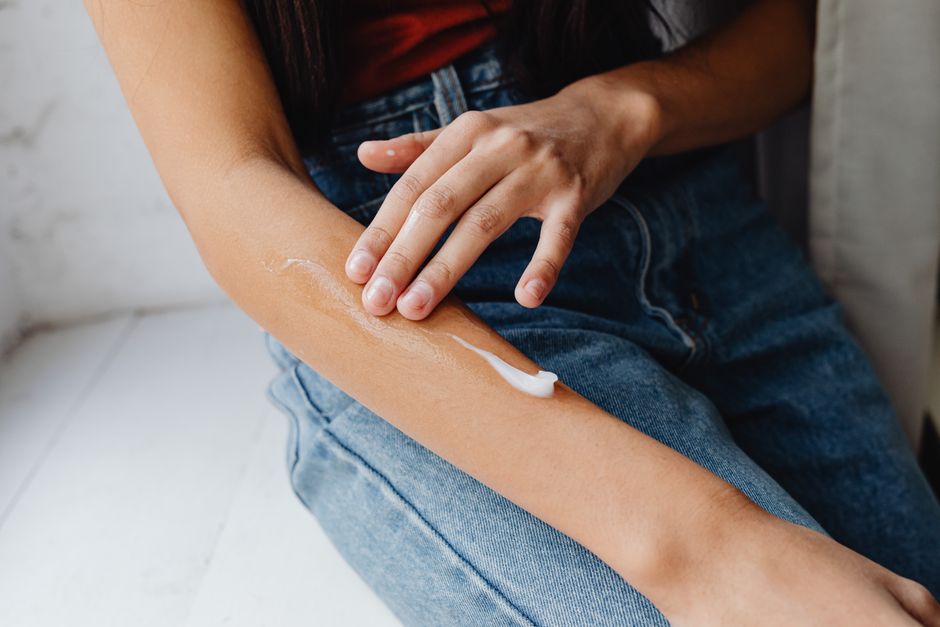
If you need an alternative to hydrocortisone cream, the right substitute depends on why you were using it. For dry, irritated skin without inflammation, a plain fragrance-free moisturizer or petroleum jelly may be enough. For eczema or allergic reactions, non-steroidal options like colloidal oatmeal, calamine, or tacrolimus may help. For infections, hydrocortisone is the wrong product entirely — an antifungal or antibiotic is what’s needed.
Hydrocortisone cream is a mild topical corticosteroid. It reduces inflammation by tamping down immune activity in the skin. That makes it useful for eczema, insect bites, mild allergic rashes, and contact dermatitis. It does not treat fungal infections, bacterial infections, or viral skin conditions. Using it on those can make things worse.
What you replace it with depends entirely on what you’re treating. Below is a breakdown of alternatives by category, what the evidence actually shows, and where the limits are.
What Can I Use Instead Of Hydrocortisone Cream For Eczema?
Eczema is driven by skin barrier dysfunction and immune overactivity. The goal of any substitute is to reduce inflammation and restore the barrier.
Colloidal oatmeal is one of the better-studied non-steroidal options. It contains avenanthramides, compounds that appear to reduce inflammatory signaling in skin. The FDA recognizes colloidal oatmeal as a skin protectant. It won’t replace a steroid for a moderate flare, but for mild irritation it can reduce itching and redness.
Tacrolimus ointment and pimecrolimus cream are prescription calcineurin inhibitors. They work differently from steroids — they block T-cell activation rather than broadly suppressing inflammation. They’re approved for atopic dermatitis and are often used on the face and eyelids where steroid use is more concerning. They can cause a burning sensation when first applied. They carry a boxed warning about a theoretical cancer risk that long-term studies have not confirmed.
Moisturizers are not a treatment for active inflammation, but they are the foundation of eczema management. A thick emollient applied within minutes of bathing reduces water loss and can lower how often flares happen. This is well established. Petroleum jelly, ceramide creams, and ointments all work. Lotions are less effective because of their water content.
Wet wrap therapy involves applying moisturizer or medication, then covering the area with damp bandages and a dry layer on top. It’s used in clinical settings for severe flares. It should be done under medical guidance, not improvised at home.
What Natural Remedies Actually Work For Itchy Skin?
Some natural options have real evidence behind them. Others do not.
- Calamine lotion — zinc oxide and ferric oxide in a base that soothes irritation. It’s a mild astringent and provides temporary relief from itching. It does not reduce inflammation.
- Cool compresses — cold temperatures reduce nerve signaling that carries itch sensations. Simple, free, and effective for short-term relief.
- Oatmeal baths — finely ground colloidal oatmeal in lukewarm water can calm irritated skin. The water should be lukewarm, not hot, because heat worsens itching.
- Aloe vera — some studies suggest it has anti-inflammatory properties when applied topically. Evidence for itch relief specifically is limited and results vary.
- Tea tree oil — has antimicrobial properties. It does not treat inflammation and can cause allergic contact dermatitis in some people. Not a hydrocortisone substitute.
What doesn’t work: apple cider vinegar, essential oil blends marketed for eczema, and most “natural steroid alternatives” sold online. No clinical evidence supports these for inflammatory skin conditions.
When Is Hydrocortisone The Wrong Choice Entirely?
Hydrocortisone cream is not appropriate for every rash. Using it on the wrong condition can delay proper treatment or make things worse.
Fungal infections — ringworm, athlete’s foot, jock itch. Hydrocortisone suppresses local immunity, which can allow the fungus to spread. It may temporarily reduce redness, which is why some combination creams include both a steroid and an antifungal. But using a steroid alone on a fungal infection is a common mistake. If the rash has a raised, scaly border and clearer center, suspect fungus and use an antifungal like clotrimazole or terbinafine.
Bacterial infections — impetigo, folliculitis, infected insect bites. These need antibiotics, not steroids. Signs include pus, honey-colored crusting, increasing pain, and warmth.
Viral conditions — cold sores, shingles, chickenpox. Steroids can worsen viral spread.
Rosacea — steroids can trigger flare-ups and worsen the condition over time.
Acne — hydrocortisone can worsen acne by clogging pores and altering skin flora.
If you’re not sure what you’re treating, that’s the moment to see a clinician rather than guess. A rash that doesn’t improve within a week or two of appropriate treatment, or one that’s spreading, needs evaluation.





What Over-The-Counter Options Can Replace Hydrocortisone?
Several non-prescription products can serve as alternatives depending on the situation.
| Product | Best For | How It Works |
|---|---|---|
| Colloidal oatmeal cream | Mild eczema, dry itchy skin | Skin protectant, reduces inflammatory signaling |
| Calamine lotion | Insect bites, poison ivy, mild itching | Astringent, temporary itch relief |
| Petroleum jelly | Dry skin, barrier repair, post-flare maintenance | Seals in moisture, prevents water loss |
| Ceramide moisturizer | Eczema-prone skin, barrier repair | Replaces lipids missing in compromised skin |
| Diphenhydramine cream | Insect bites, localized itching | Topical antihistamine |
| Clotrimazole or terbinafine | Fungal infections | Kills fungus directly |
| Pramoxine | Itch without inflammation | Topical anesthetic, numbs nerve endings |
Note that topical diphenhydramine can cause allergic sensitization in some people, especially with repeated use. It’s not ideal for long-term or widespread application.
Are Prescription Alternatives Better Than Hydrocortisone?
Prescription options exist for when over-the-counter products aren’t enough. Whether they’re “better” depends on the condition, the location, and how long you need to use them.
Stronger topical steroids — triamcinolone, betamethasone, clobetasol. These are more potent than hydrocortisone. They work faster and are used for moderate to severe eczema or psoriasis. They also carry more risk of skin thinning, stretch marks, and absorption into the bloodstream with prolonged use. Potency matters: a mild steroid on the face is different from a super-potent steroid on the sole of the foot.
Calcineurin inhibitors — tacrolimus and pimecrolimus. These don’t cause skin thinning, which makes them useful for sensitive areas. They’re not as fast-acting as steroids for acute flares. The burning sensation on application typically fades with continued use.
Crisaborole — a topical PDE4 inhibitor approved for mild to moderate atopic dermatitis. It works by reducing cytokine production. It’s non-steroidal and doesn’t carry the same skin-thinning risk.
Oral antihistamines — for itch driven by histamine, like hives or insect bites. Sedating antihistamines like diphenhydramine are sometimes used at night to help with sleep during flares. Non-sedating options like cetirizine or loratadine are better for daytime. These treat the itch, not the underlying skin inflammation.
No prescription alternative is universally better than hydrocortisone. Each has a specific role. A dermatologist can match the treatment to the condition and the body area.
How Do You Choose The Right Alternative?
Start with what you’re treating.
- Dry, cracked skin without redness or swelling — use a thick moisturizer or petroleum jelly. You likely don’t need a steroid at all.
- Mild eczema or contact dermatitis — colloidal oatmeal or a ceramide cream for maintenance. Hydrocortisone or a calcineurin inhibitor for flares.
- Insect bites or poison ivy — calamine, cool compresses, or topical pramoxine. Oral antihistamines if itching is widespread.
- Fungal rash — antifungal cream. Do not use hydrocortisone alone.
- Bacterial infection — see a doctor. You need antibiotics.
- Unknown rash that’s spreading or not improving — see a doctor. Guessing wastes time and can make things worse.
One thing worth knowing: hydrocortisone is available over the counter at 0.5% and 1% strengths. Prescription versions go up to 2.5%. The difference between OTC and prescription isn’t just strength — it’s also the vehicle (cream, ointment, lotion, gel) and how well it penetrates different skin areas. An ointment is more occlusive and absorbs better than a lotion, which matters for thick skin on the hands and feet.
If you’ve been using hydrocortisone regularly for more than a few weeks, talk to a clinician before stopping or switching. Abruptly stopping a topical steroid after prolonged use can cause a rebound flare in some people. This is more common with stronger steroids but can happen with hydrocortisone too, especially with continuous use over a large area.
Frequently Asked Questions
Can I use coconut oil instead of hydrocortisone cream?
Coconut oil is a moisturizer, not an anti-inflammatory. It can help dry skin and may have mild antibacterial properties, but it will not reduce the inflammation that hydrocortisone treats. For mild dryness it’s reasonable. For an active eczema flare, it won’t be enough on its own.
What is the best non-steroidal cream for eczema?
Tacrolimus ointment and pimecrolimus cream are the most studied prescription non-steroidal options for atopic dermatitis. For over-the-counter use, colloidal oatmeal products have the best evidence for reducing mild itch and irritation. No non-steroidal option works as quickly as a steroid for an acute flare.
How long can I use hydrocortisone cream?
OTC hydrocortisone is generally intended for short-term use — typically no more than 7 days without medical advice. Prolonged use, especially on the face or in skin folds, increases the risk of skin thinning and other side effects. If your symptoms persist beyond a week, see a clinician rather than continuing to self-treat.
Is calamine lotion as good as hydrocortisone?
No, they do different things. Calamine is an astringent that provides temporary itch relief. Hydrocortisone reduces inflammation. Calamine works well for insect bites and mild irritation. It will not treat eczema or allergic dermatitis the way a steroid does.
