
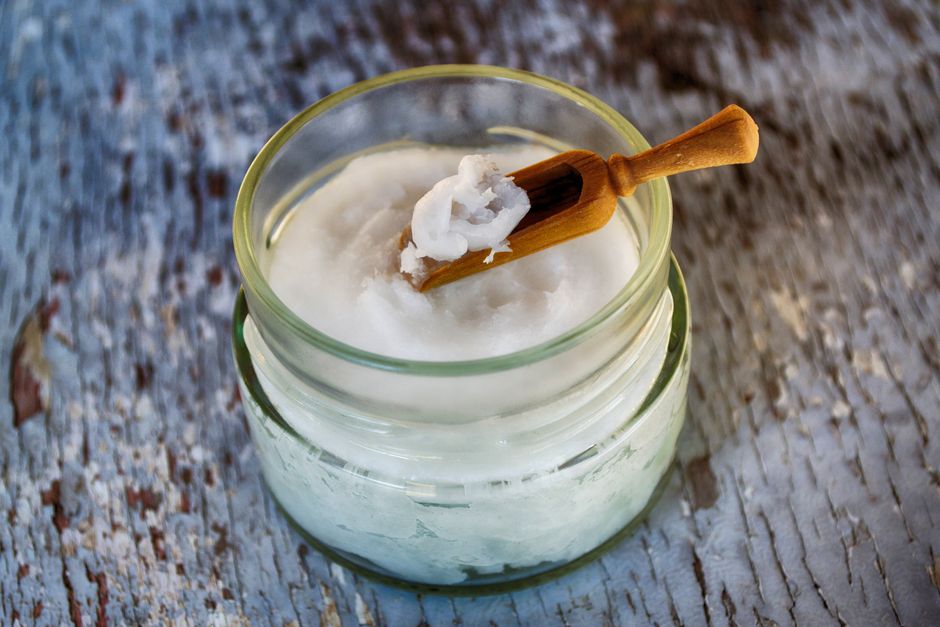
Coconut oil has a distinct flavor and a high smoke point, but it is not the only fat that works in a hot pan or a baking recipe. You can replace it with butter, olive oil, avocado oil, ghee, or neutral oils like canola and vegetable oil. The best swap depends on whether you are cooking, baking, or using it on your skin.
Each substitute behaves differently. Some change the flavor. Some change the texture of baked goods. A few work better for high-heat cooking than others. This guide breaks down the practical options and the trade-offs so you can pick the right one for the job.
What Can I Use In Place Of Coconut Oil For Cooking?
For stovetop cooking, the main thing that matters is smoke point — the temperature at which a fat starts to break down and burn. Coconut oil has a smoke point around 350°F for unrefined versions and closer to 400°F for refined ones. Several other fats match or exceed that range.
Avocado oil has one of the highest smoke points among common cooking oils, generally above 500°F for refined versions. That makes it a strong choice for searing, frying, and roasting at high heat. It has a mild flavor that does not compete with most dishes.
Ghee, which is clarified butter, also handles high heat well, with a smoke point around 450°F. It brings a rich, buttery taste. People who avoid dairy for medical reasons should skip it.
Olive oil is a solid all-purpose option. Extra virgin olive oil has a smoke point around 350°F to 410°F depending on quality and processing. That is fine for sautéing and most home cooking. Regular or light olive oil has a higher smoke point and a more neutral taste.
For deep frying or any cooking above 400°F, refined avocado oil, ghee, or refined peanut oil are reliable choices. Unrefined coconut oil is not ideal for those temperatures anyway.
- Avocado oil — neutral taste, very high smoke point
- Ghee — buttery flavor, high smoke point, contains dairy
- Olive oil — versatile, distinct flavor, moderate to high smoke point
- Canola oil — neutral, affordable, moderate smoke point
- Peanut oil — neutral, high smoke point, common allergen
What Is The Best Substitute For Coconut Oil In Baking?
Baking is trickier than stovetop cooking because fat affects texture, moisture, and structure, not just flavor. Coconut oil is solid at room temperature, which means it behaves more like butter or shortening in a recipe than like a liquid oil.
Butter is the closest match in most baking. It is solid at room temperature and provides similar structure. Use the same amount by weight. If a recipe calls for melted coconut oil, melt the butter too. Butter adds a dairy flavor and a small amount of water — about 15 to 18 percent of its weight — which can slightly change the texture of delicate recipes.
Vegetable shortening is another solid fat that works well. It has a neutral flavor and a texture close to coconut oil. Shortening is higher in saturated fat than many people assume, so it is worth reading the label.
For liquid oils like canola, olive, or avocado oil, you can substitute in equal measure by volume in many recipes, but the result will be denser and heavier. Liquid oils do not cream with sugar the way solid fats do. That matters in recipes where aeration is part of the structure, like cakes and cookies.
One useful detail: if a recipe calls for coconut oil and you swap in a liquid oil, the final product may spread more in the oven. This is not a safety issue. It is a texture issue. If you want the closest match, stick with a solid fat.
How Do These Substitutes Compare Nutritionally?
Coconut oil is high in saturated fat — roughly 80 to 90 percent of its fat content. That is higher than butter, which is about 60 to 65 percent saturated fat. This matters because saturated fat intake is linked to LDL cholesterol levels in a large body of research.
The American Heart Association and other major health organizations recommend limiting saturated fat to less than 10 percent of daily calories for most adults. Coconut oil is not exempt from that guidance, despite popular claims that its specific fatty acid profile makes it different.
Here is how common substitutes compare per tablespoon:
| Fat | Calories | Saturated Fat | Smoke Point |
|---|---|---|---|
| Coconut oil (refined) | ~120 | ~12 g | ~400°F |
| Butter | ~100 | ~7 g | ~300°F |
| Olive oil (extra virgin) | ~120 | ~2 g | ~350-410°F |
| Avocado oil | ~120 | ~2 g | ~500°F |
| Canola oil | ~120 | ~1 g | ~400°F |
| Ghee | ~120 | ~8 g | ~450°F |
These values come from standard USDA nutritional data and are approximate. If your main reason for using coconut oil is a belief that it is heart-healthy, the evidence does not support that position. Most major health organizations group coconut oil with other sources of saturated fat.
Can I Use Coconut Oil Substitutes For Skin And Hair?
People often use coconut oil as a moisturizer or hair treatment. If you want an alternative, several plant oils are commonly used for the same purpose. Jojoba oil, argan oil, and sweet almond oil are popular choices.
Here is where honesty matters. The evidence for most cosmetic oils is limited. No large clinical trials have confirmed that one plant oil is superior to another for skin hydration in the general population. Some studies suggest coconut oil has antibacterial properties on the skin, but that does not automatically make it a treatment for any skin condition.
What is well established is that oils can clog pores in some people. This is called comedogenicity. Coconut oil is considered moderately comedogenic. If you are prone to acne, any oil you apply to your face carries some risk of worsening it. Jojoba oil and argan oil are generally considered less likely to clog pores, though individual responses vary.
For people with eczema or other skin conditions, some clinicians recommend specific oils as part of a broader treatment plan. This is not the same as an evidence-based recommendation for general use. If you have a diagnosed skin condition, talk to a dermatologist before replacing a prescribed treatment with any oil.
Are There Any Substitutes I Should Avoid?
There is no fat that is dangerous to use in place of coconut oil for cooking, but a few points are worth knowing.
Palm oil is sometimes suggested as a substitute. It has a high smoke point and a semi-solid texture, similar to coconut oil. However, palm oil is also high in saturated fat — roughly 50 percent — and its production is linked to significant environmental concerns. From a nutrition standpoint, it is not a meaningful improvement over coconut oil.
Margarine is another common suggestion. Stick margarines often contain trans fats, which are strongly linked to heart disease risk. Many manufacturers have reformulated to remove partially hydrogenated oils, but it is worth reading the label. If the ingredient list includes “partially hydrogenated” anything, that product contains trans fat.
For baking, do not substitute applesauce or mashed banana for coconut oil unless the recipe specifically calls for it. These are sometimes used as fat replacements in reduced-calorie recipes, but they change the texture and moisture significantly. They are not direct substitutes.
One more point. If you are replacing coconut oil because you heard it is uniquely healthy, the swap to butter or ghee will not lower your saturated fat intake much. If that is your goal, olive oil, avocado oil, and canola oil are the more meaningful changes.
Does The Type Of Coconut Oil Matter When Choosing A Substitute?
Yes, and this is where many substitution guides skip a step. Virgin or unrefined coconut oil has a strong coconut flavor and a lower smoke point. Refined coconut oil is neutral in taste and handles higher heat. The substitute you pick should match the version you are replacing.
If you are replacing virgin coconut oil in a recipe where the coconut flavor matters — like certain baked goods or a curry — no neutral oil will replicate that. You may want to keep some coconut oil for those specific uses and substitute elsewhere.
If you are replacing refined coconut oil for frying or general cooking, taste is not a factor. Any neutral high-smoke-point oil will work. Avocado oil, canola oil, and refined peanut oil are all reasonable choices.
For baking, the solid-versus-liquid distinction matters more than the refined-versus-unrefined one. Butter and shortening are solid. Olive, avocado, and canola oils are liquid. Match the state of the fat to the recipe for the best result.
Frequently Asked Questions
Can I use olive oil instead of coconut oil in baking?
Yes, you can substitute olive oil in equal measure by volume in many recipes, but the result will be denser and may spread more. For the closest texture match, use butter or shortening instead.
Is avocado oil healthier than coconut oil?
Avocado oil is much lower in saturated fat than coconut oil and has a higher smoke point. Most major health organizations recommend limiting saturated fat, so avocado oil is generally considered the better choice for heart health.
What is the best substitute for coconut oil in no-bake recipes?
Butter or vegetable shortening work best because they are solid at room temperature, like coconut oil. Liquid oils will make the final product softer and less stable.
Can I use butter instead of coconut oil for frying?
Butter has a lower smoke point than coconut oil and burns more easily at high heat. Ghee, which is clarified butter, is a better choice for frying because it handles higher temperatures.
