
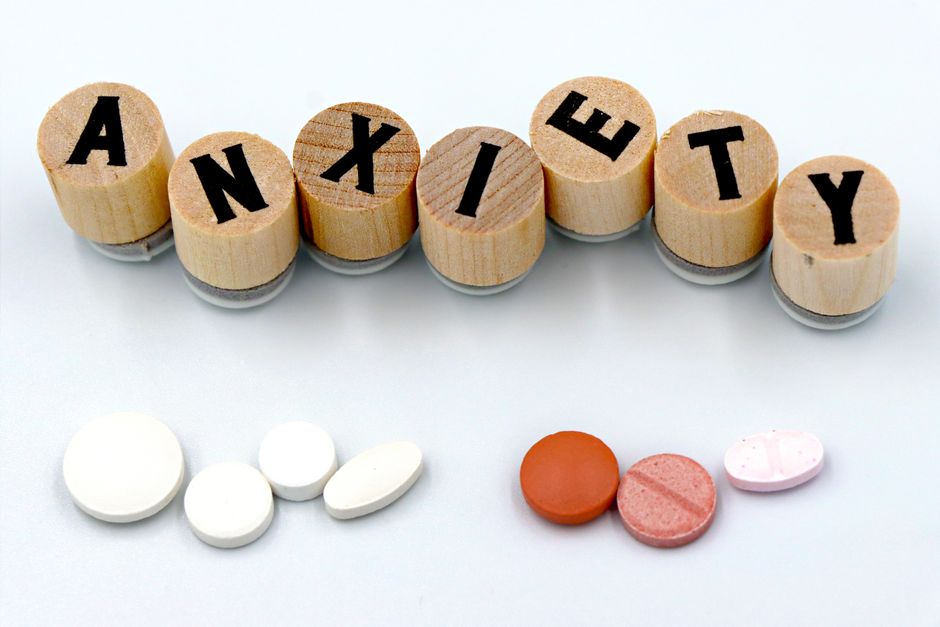
If you are looking for something natural to take for anxiety, the honest starting point is this: a handful of supplements and practices have real evidence behind them, and a much larger group do not. Some natural options work well enough to be studied in clinical trials. Others are sold with confidence that the science does not support. Knowing the difference matters, because anxiety is a real condition and not a marketing category.
Below is what the evidence actually shows — what holds up, what is uncertain, and what to be cautious about. This is not a substitute for care from a doctor or mental health professional. If anxiety is affecting your sleep, work, or relationships, that is a reason to get support, not a reason to try supplements first.
Does Anything Natural Actually Help With Anxiety?
Yes, a few things do. The strongest evidence is not for pills. It is for practices that change how your nervous system responds to stress over time.
Regular physical activity has among the most consistent evidence for reducing anxiety symptoms. This is not a soft recommendation — it shows up repeatedly in controlled research. The effect is modest but reliable, and it builds with consistency rather than intensity.
Slow, deliberate breathing exercises have good evidence for calming the acute stress response. Slow breathing at roughly six breaths per minute activates the parasympathetic nervous system, the branch that slows heart rate and promotes calm. This is well-established physiology, not speculation.
Mindfulness-based practices, including meditation, have a solid body of research behind them for anxiety. The evidence is strongest for structured programs taught over several weeks rather than occasional apps.
On the supplement side, the picture is thinner but not empty. A few have meaningful evidence. Many do not.
Which Supplements Have the Most Evidence Behind Them?
A small number of supplements have been studied in human trials for anxiety, with results that are encouraging but not overwhelming. None of these are proven treatments on the level of established therapies, and none should replace professional care for a significant anxiety disorder.
Ashwagandha is one of the more studied options. Some randomized trials suggest it may reduce anxiety symptoms compared to placebo. The evidence is not uniform, and studies vary in quality and duration.
L-theanine, an amino acid found in tea, has some evidence for promoting relaxation without sedation. Research suggests it may increase alpha brain wave activity, a pattern associated with calm alertness. Effects tend to be mild.
Omega-3 fatty acids have been studied for mood and anxiety, with mixed results. Some evidence indicates a possible benefit, but findings are not consistent enough to call this established.
Magnesium is often recommended, and deficiency can affect mood and sleep. Whether supplementing helps anxiety in people who are not deficient is not well established. The evidence here is limited.
What these have in common: modest effects, variable study quality, and no clear dosing standard for anxiety specifically. That last point matters. There is no single agreed dose for treating anxiety with any of these.
What About Herbal Remedies Like Kava and Passionflower?
Some herbal options have real research behind them, but they also carry real caveats.
Kava has been studied for anxiety with results that some trials found positive. The concern is liver toxicity. Regulatory agencies in several countries have issued warnings, and cases of liver injury have been reported. This is not a supplement to take casually or long-term without medical supervision.
Passionflower has some evidence for anxiety, though the research is smaller and less consistent than for kava. It is generally considered to have a better safety profile, but the evidence base is thin.
Valerian root is often marketed for anxiety and sleep. The evidence for anxiety specifically is weak and inconsistent. It is better studied for sleep, and even there results vary.
St. John’s wort is sometimes mentioned, but it is primarily studied for depression, not anxiety. It also interacts with many medications, including antidepressants, birth control, and blood thinners. That interaction risk is serious and well documented.
One clarification worth knowing: “natural” does not mean “safe” or “gentle.” Herbs contain active compounds. They can interact with prescription drugs, affect liver function, and cause side effects. The same caution you would apply to a medication applies here.
What Natural Options Do Not Have Good Evidence?
A long list of products are marketed for anxiety without solid human evidence. It is worth naming them so you can recognize the pattern.
- CBD is heavily marketed for anxiety. Early research is interesting, but large, well-controlled human trials are lacking. The evidence is not yet strong enough to call it effective.
- Homeopathic remedies have no evidence of effectiveness beyond placebo. The underlying premise is not supported by chemistry or physics.
- Most “calming” blends and proprietary formulas have no independent research at all. If a product does not list amounts and has no published studies, there is nothing to evaluate.
- Amino acid blends and “mood support” powders typically rely on ingredients with weak or absent evidence for anxiety.
- Essential oils may be pleasant and some people find the scent relaxing. There is no strong evidence they reduce clinical anxiety.
The pattern to watch for: confident claims, vague ingredients, and no studies cited. If a product promises relief and cannot point to human research, treat that as a signal.
How Do These Compare to Standard Anxiety Treatment?
This is where honesty matters most. The evidence for standard treatments — therapy and, when appropriate, medication — is far stronger than for any natural option.
Cognitive behavioral therapy has decades of research supporting it for anxiety disorders. It is considered a first-line treatment. Selective serotonin reuptake inhibitors and certain other medications also have strong evidence for anxiety disorders and are widely prescribed.
Natural options generally have smaller effects, weaker evidence, and less consistency. That does not mean they are useless. It means they belong in a different category.
Some people use natural approaches alongside professional care, and that can be reasonable when a doctor knows about it. The problem is when someone replaces effective treatment with an unproven supplement and loses months of time.
If your anxiety is mild and occasional, lifestyle approaches may be enough. If it is persistent, intense, or interfering with daily life, natural options alone are unlikely to be sufficient. That is not a failure. It is just what the evidence shows.
Is It Safe to Take These Alongside Medication?
Not always, and this is the part people most often skip.
Supplements can interact with prescription medications in ways that reduce effectiveness or cause harm. St. John’s wort is a well-documented example — it affects how the liver processes many drugs. Kava raises liver concerns. Even magnesium can interfere with absorption of certain medications if taken at the same time.
If you take any prescription medication, including antidepressants, blood thinners, thyroid medication, or birth control, talk to your doctor or pharmacist before adding a supplement. This is not a formality. Pharmacists are specifically trained to check for these interactions.
Pregnancy and breastfeeding add another layer. For most supplements, there is no established safety data for these groups. No clinical guidelines currently exist for using most anxiety supplements during pregnancy or while breastfeeding. If you are pregnant or nursing, do not start a supplement for anxiety without talking to your obstetric provider first.
What Is a Reasonable Way to Start?
Start with the things that have the best evidence and the lowest risk.
Move your body regularly. Practice slow breathing when you feel tension building. Try a structured mindfulness program if you have not. Get consistent sleep, since sleep disruption and anxiety feed each other. Cut back on caffeine if you are sensitive to it, because it can mimic and worsen anxiety symptoms.
If you want to try a supplement, pick one with some evidence, take it as directed, and give it several weeks. Keep track of whether it actually helps. If it does not, stop. Do not keep buying something out of hope.
And tell your doctor what you are taking. That single step prevents most of the problems described above.
Frequently Asked Questions
What is the most effective natural remedy for anxiety?
Regular exercise and structured mindfulness practices have the strongest evidence among natural approaches. Among supplements, ashwagandha and L-theanine have some supporting research, though effects are modest.
Can I take ashwagandha every day for anxiety?
Some studies have used daily ashwagandha for several weeks with generally mild reported side effects. It is not recommended during pregnancy, and it can interact with thyroid medication and sedatives, so check with your doctor first.
Is CBD good for anxiety?
Early research is promising, but large controlled human trials are still lacking. The evidence is not yet strong enough to confirm CBD as an effective anxiety treatment.
Can natural supplements replace anxiety medication?
No. The evidence for therapy and prescription medication for anxiety disorders is much stronger than for any supplement. Never stop or change a prescribed medication without talking to your doctor.
