
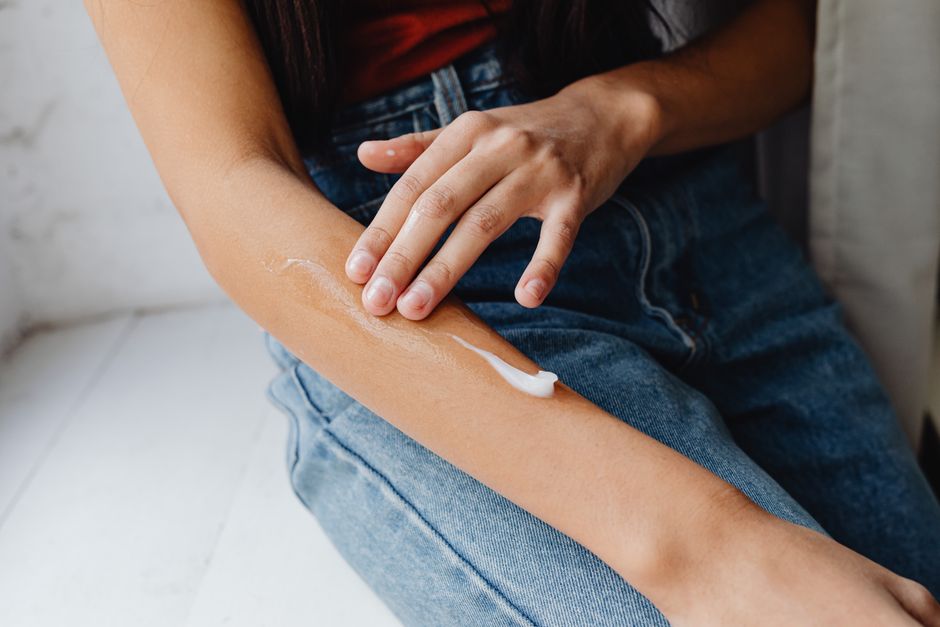
What you can take for itching depends on why you itch. For mild, localized itch, an over-the-counter hydrocortisone cream or a soothing moisturizer is often enough. For widespread itch or itch driven by allergies, oral antihistamines are the usual first choice. For chronic or severe itching, prescription creams, oral medications, and light therapy exist — but they require a doctor’s evaluation first.
Itch is not one condition. It is a symptom with dozens of possible causes, and the right treatment depends entirely on which one you have. That is why the single most useful step is figuring out what kind of itch you are dealing with before reaching for a product.
What Can I Take For Itching Creams Pills More?
There are three main categories of itch treatment: topical products you put on your skin, oral medications you swallow, and physical treatments like light therapy. Each works through a different mechanism, and each suits different kinds of itch.
Topical treatments act directly on the skin. They include moisturizers, hydrocortisone cream, anti-itch lotions containing calamine or pramoxine, and prescription steroid creams. These work best when the itch comes from the skin itself — dryness, eczema, contact dermatitis, or insect bites.
Oral medications work from the inside. Antihistamines are the most common. They are genuinely useful for itch driven by histamine, such as hives and allergic reactions. They are far less effective for itch that is not histamine-driven, which includes most cases of eczema and many chronic itch conditions.
Physical and prescription treatments include phototherapy (controlled ultraviolet light), oral corticosteroids for short courses, and newer prescription medications for chronic itch. These are for persistent or severe cases and require medical supervision.
One clarification worth knowing: itching has its own dedicated nerve pathways in the skin and spinal cord. It is not simply a mild form of pain. That is why painkillers generally do not relieve itch, and why some treatments that work for pain do nothing for itching.
Which Over-the-Counter Creams Actually Work for Itching?
Not all anti-itch creams are equal. Some have solid evidence behind them. Others mostly feel good going on.
Hydrocortisone cream (1%) is the most reliable over-the-counter option for inflamed, itchy skin. It reduces the inflammation driving the itch in conditions like eczema, contact dermatitis, and insect bites. It is not meant for long-term use or for the face unless a doctor advises it, and it should not be used on infected skin.
Moisturizers are underrated. Dry skin is one of the most common causes of itching, especially in older adults. A thick, fragrance-free moisturizer applied within a few minutes of bathing helps restore the skin barrier and can reduce itch substantially. For dry-skin itch, this simple step often outperforms medicated creams.
Calamine lotion has a long history of use for minor itch and is generally safe. It soothes and dries the skin. Evidence for strong anti-itch effect is modest, but it is low-risk for minor irritation and bug bites.
Pramoxine and lidocaine creams are mild topical anesthetics. They numb the skin and can temporarily reduce itch. They are reasonable for short-term relief of small areas.
What to skip: creams containing diphenhydramine (an antihistamine) applied to the skin are not recommended. Topical antihistamines can cause allergic skin reactions themselves and are less effective than oral forms. Combination products with many ingredients also make it harder to know what is helping and what is irritating.
Do Antihistamines Help Every Kind of Itch?
No. Antihistamines help itch caused by histamine, and histamine is only one of many itch triggers. This is the most common misunderstanding about itch treatment.
Histamine is released by mast cells during allergic reactions. It causes hives, insect bite swelling, and the itch of allergic contact reactions. Oral antihistamines block histamine receptors and work well for these. For hives, they are a first-line treatment.
Most eczema itch is not primarily histamine-driven. Research has shown that other mediators — including cytokines and nerve-acting chemicals — play a larger role. This is why people with eczema often find antihistamines disappointing. They may still help with sleep because older antihistamines cause drowsiness, but that is a side effect, not a treatment of the itch itself.
There are two main types of oral antihistamines:
- First-generation (diphenhydramine, chlorpheniramine): effective but sedating. Useful at night. Not ideal for daytime because of drowsiness and impaired alertness.
- Second-generation (loratadine, cetirizine, fexofenadine): less sedating and generally preferred for daytime use. Cetirizine can still cause drowsiness in some people.
For chronic hives, doctors sometimes recommend higher-than-standard doses of second-generation antihistamines under medical supervision. Do not increase doses on your own without checking with a clinician.
When Should You See a Doctor About Itching?
Most itching is harmless and settles on its own. Some itching is a signal that needs medical attention.
See a doctor if itching lasts more than two weeks without an obvious cause, is severe enough to disturb sleep most nights, or covers most of your body. Also seek care if itching comes with weight loss, fever, night sweats, or new fatigue — because persistent widespread itch can occasionally be a sign of an underlying condition, including liver, kidney, thyroid, or blood disorders.
Other reasons to get checked:
- Itching with a rash that is spreading, blistering, or looks infected
- Itching after starting a new medication
- Itching in the genital or anal area that persists
- Itching with yellowing of the skin or eyes
- Itching that does not respond to over-the-counter treatment
This does not mean every long-lasting itch is serious. Most is not. But chronic itch is common enough — and occasionally meaningful enough — that a medical evaluation is reasonable when it persists.
What Prescription Options Exist for Stubborn Itch?
When over-the-counter products fail, doctors have several prescription options. The right one depends on the cause.
Prescription topical corticosteroids are stronger versions of hydrocortisone. They are standard treatment for eczema and other inflammatory skin conditions. Potency ranges from mild to very strong, and the choice depends on the body area and condition. Strong steroids on thin skin (face, groin) or for long periods can cause skin thinning, so they are used carefully.
Topical calcineurin inhibitors (tacrolimus, pimecrolimus) are non-steroid creams for eczema. They do not cause skin thinning and are sometimes used on sensitive areas or for longer periods.
Oral corticosteroids like prednisone can rapidly reduce severe itch from inflammatory conditions. They are generally used for short courses because of side effects with longer use.
Phototherapy uses controlled ultraviolet light under medical supervision. It has good evidence for chronic itch conditions including severe eczema and some other skin disorders. It requires multiple sessions and specialist oversight.
Newer prescription medications for chronic itch have emerged in recent years, including biologic drugs for specific conditions like atopic dermatitis and chronic hives, and other agents for certain liver and kidney-related itch. These are prescribed by specialists. Availability and appropriateness vary widely by condition and patient.
For itch related to kidney disease, liver disease, or nerve conditions, treatment is often managed by the relevant specialist rather than a dermatologist alone.
What Home Care Helps Itch Without Medication?
Some of the most effective anti-itch steps involve no products at all. They reduce the triggers that keep skin irritated.
Keep showers short and lukewarm. Hot water strips oils from the skin and worsens dryness and itch. Apply a thick moisturizer within a few minutes of patting dry, while skin is still slightly damp, to lock in moisture.
Use fragrance-free, dye-free soaps and detergents. Fragrances are a common cause of contact irritation and allergy. Choose soft, breathable fabrics like cotton over wool and synthetic materials that can irritate skin.
Keep fingernails short and consider cotton gloves at night. Scratching damages the skin barrier and can set up an itch-scratch cycle that makes everything worse. Breaking that cycle matters more than most people realize.
Cool compresses and cool environments reduce itch signaling. Heat tends to aggravate it. For some people, stress and poor sleep also worsen itch, so addressing those can help even though they are not the root cause.
Frequently Asked Questions
What is the fastest over-the-counter treatment for itching?
For inflamed, itchy skin, 1% hydrocortisone cream is often the fastest reliable over-the-counter option. For dry-skin itch, a thick moisturizer applied right after bathing can relieve itch quickly.
Can I take antihistamines every day for itching?
Second-generation antihistamines like loratadine and cetirizine are generally considered safe for regular use in most adults. Check with a pharmacist or doctor if you take other medications or have liver or kidney problems.
Why does scratching make itching worse?
Scratching damages the skin barrier and triggers nerve signals that increase itch, creating an itch-scratch cycle. Breaking the cycle with moisturizers, cool compresses, and short nails helps more than willpower alone.
When is itching a sign of something serious?
Itching that lasts more than two weeks without a clear cause, disturbs sleep, or comes with weight loss, fever, or jaundice should be checked by a doctor. Most persistent itch is not serious, but these signs warrant evaluation.
