
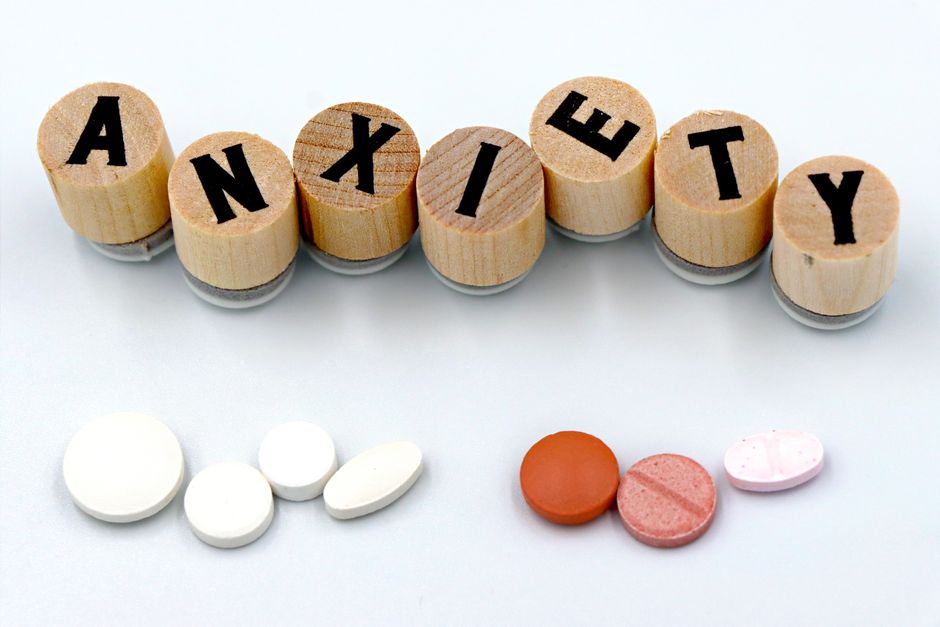
If you are looking for something natural to take for anxiety, the most studied options are not supplements at all: regular physical activity, therapy, controlled breathing, and good sleep all have solid evidence behind them. Among supplements, a few — notably lavender oil in a standardized oral form and certain herbal extracts — have some clinical research, though the quality and amount of evidence vary widely. No natural product has been shown to work as well as established treatments for anxiety disorders, and anyone with persistent or severe anxiety should talk to a clinician before self-treating.
This article covers what the research actually supports, what is mostly marketing, and where the honest gaps are.
What Natural Things Can I Take for Anxiety?
The word “take” usually means a pill or supplement. But the strongest evidence for natural approaches to anxiety sits in lifestyle and behavioral changes, not bottles. Exercise in particular has a consistent body of research behind it for reducing anxiety symptoms. So does sleep. So does learning to breathe slowly and deliberately.
If you specifically want a supplement, here is the honest lay of the land:
- Lavender oil (oral, standardized): A specific proprietary oral lavender oil preparation has been studied in clinical trials for anxiety and has regulatory approval in some countries as a treatment for anxiety disorders. This is not the same as aromatherapy or a few drops of essential oil on your pillow. The studied product is a standardized oral capsule, and results should not be generalized to other lavender products.
- Ashwagandha: Some small trials suggest it may reduce stress and anxiety symptoms. The studies are generally short, small, and vary in quality. Longer-term safety data are limited.
- L-theanine: An amino acid found in tea. Some studies suggest it can promote calm without sedation, but trials are small and results are mixed.
- Chamomile: Long used as a tea. Some clinical research suggests an extract may reduce anxiety symptoms, but the evidence base is modest and doses vary across studies.
- Omega-3 fatty acids: Some research suggests a possible link between omega-3 intake and lower anxiety, but findings are inconsistent and this is not an established anxiety treatment.
- Magnesium: Widely marketed for anxiety. Evidence in people with normal magnesium levels is limited. It matters most if you are genuinely deficient, which a clinician can assess.
Notice the pattern of language: “some studies suggest,” “limited,” “mixed.” That is not hedging for its own sake. It reflects what the research actually looks like.
Do Natural Supplements Actually Work for Anxiety?
For most supplements sold for anxiety, no large, high-quality human trials have confirmed meaningful benefit. That is the honest answer. The supplement market is lightly regulated in the United States, and products are often marketed on traditional use, small studies, or no studies at all.
There are a few exceptions where the research is more developed — the oral lavender product and certain herbal extracts being the clearest examples. Even there, “studied” does not mean “proven equivalent to standard care.” The effect sizes tend to be modest, and many trials are short.
One thing worth knowing: supplements can interact with medications. St. John’s wort, sometimes marketed for low mood, is a well-documented example — it affects how the body processes many drugs, including some antidepressants and birth control. It is not a benign herb to combine casually with prescriptions.
This is why telling your clinician about any supplement you take matters. It is not about permission. It is about safety.
What Is the Most Effective Natural Remedy for Anxiety?
If “most effective” means strongest evidence, the answer is regular exercise. A large body of research links physical activity to reduced anxiety symptoms, and the effect appears across age groups and fitness levels. You do not need to become an athlete. Consistent moderate movement — walking briskly, cycling, swimming — is where most of the benefit sits.
The mechanism is reasonably well understood. Exercise affects stress hormones, influences neurotransmitters involved in mood regulation, and improves sleep — which itself affects anxiety. These pathways overlap, which may be part of why movement helps on multiple fronts.
Close behind exercise is structured psychological support. Cognitive behavioral therapy has strong evidence for anxiety disorders and is often considered a first-line treatment. It is not a “natural supplement,” but it is non-drug, and for many people it works as well as or better than medication for certain anxiety conditions.
Slow breathing deserves a mention. Deliberately slowing your breath — extending the exhale — activates the parasympathetic nervous system, the body’s “rest and digest” branch. This is well-established physiology. It will not cure an anxiety disorder, but it can interrupt a spike in the moment.
Can Lifestyle Changes Reduce Anxiety Without Supplements?
Yes — and for many people this is where the real gains are. Sleep is a strong starting point. Poor sleep and anxiety feed each other in a loop, and improving sleep often improves daytime anxiety.
Caffeine is worth an honest look. It is a stimulant that can mimic and amplify anxiety symptoms — racing heart, restlessness, jitteriness. Some people are more sensitive than others. If you are anxious and drink several cups of coffee a day, cutting back is a low-risk experiment with a plausible payoff.
Alcohol is similar in a subtler way. It may feel calming in the moment, but it disrupts sleep and can worsen anxiety over time. This is a well-recognized pattern in clinical practice.
Social connection, time outdoors, and reducing constant news or screen exposure are commonly recommended. The evidence for each is less precise than for exercise or sleep, but none of them carry risk, and many people find them helpful.
When Should I See a Doctor About Anxiety?
See a clinician if anxiety is interfering with work, relationships, sleep, or daily functioning — or if it has persisted for weeks or months. Anxiety disorders are common and treatable. Getting help is not a sign of weakness; it is the same logic as seeing a doctor for persistent chest pain.
Seek help promptly if you have thoughts of harming yourself. In the US, you can call or text 988 to reach the Suicide and Crisis Lifeline at any time.
Also worth a conversation: physical causes. Some medical conditions — thyroid problems, certain heart conditions, some medications — can produce anxiety-like symptoms. A clinician can rule these out. This is one reason self-treating with supplements before a proper assessment can delay something important.
Natural approaches and professional care are not opposites. Many people combine exercise, therapy, sleep improvements, and — where appropriate — medication under medical guidance. The best plan is usually built with a clinician, not assembled alone from a shelf.
Are Natural Anxiety Remedies Safe?
“Natural” does not mean “safe.” Plants contain active chemicals. Those chemicals can interact with medications, affect blood pressure, or cause side effects. Some herbal products have been linked to liver injury in rare cases.
Safety also depends on the product. Supplements are not held to the same pre-market standards as drugs in the US. What is on the label may not match what is in the bottle. Third-party testing labels can help, but they are not a guarantee of effectiveness — only of content quality.
Certain groups should be especially cautious. If you are pregnant, breastfeeding, or considering a supplement for a child, no clinical guidelines currently exist for most of these products in those populations. Talk to a clinician first. The same applies if you take prescription medications or have a chronic health condition.
The safest approach with any supplement is to start one at a time, at a modest dose, and tell your clinician what you are taking. That way, if something goes wrong, you know what to stop.
Frequently Asked Questions
What can I take for anxiety that is natural and actually works?
Regular exercise has the strongest evidence among natural approaches, followed by therapy, sleep improvements, and slow breathing. Among supplements, a standardized oral lavender oil product has the most clinical research, though no natural product matches established treatments.
Is it safe to take ashwagandha for anxiety every day?
Short-term use appears generally well tolerated in studies, but long-term safety data are limited and it can interact with some medications. Talk to a clinician before using it daily, especially if you take prescriptions or have a liver condition.
Can magnesium help with anxiety?
Magnesium may help if you are genuinely deficient, but evidence that it reduces anxiety in people with normal levels is limited. A clinician can check whether deficiency is a concern for you.
What natural thing can I do right now for anxiety?
Slow your breathing, focusing on a longer exhale than inhale, for a few minutes. This activates the parasympathetic nervous system and can ease an acute spike, though it is not a substitute for ongoing treatment.
