
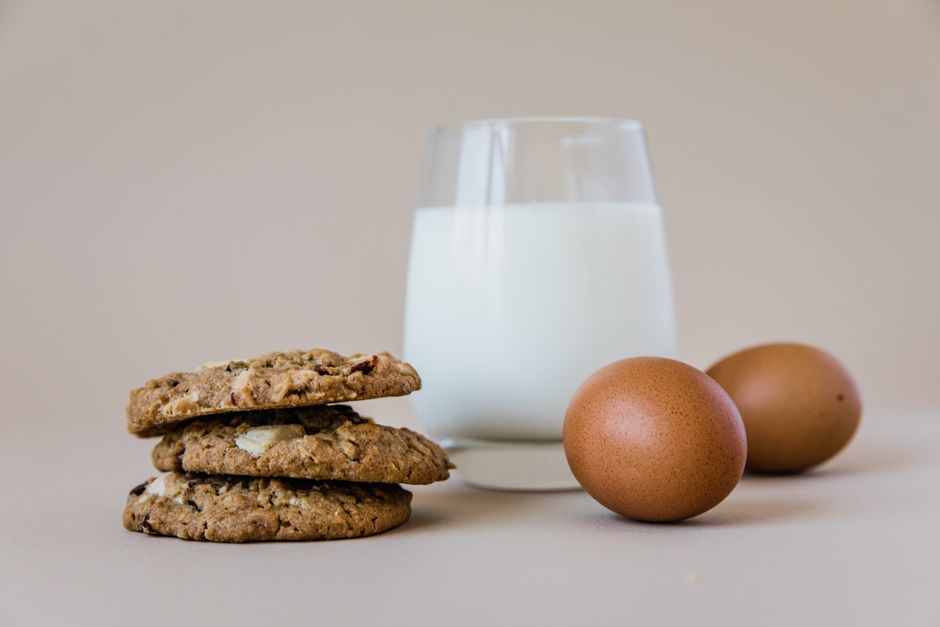
You can substitute milk in most recipes with water plus fat, buttermilk made from lemon juice or vinegar, plain yogurt thinned with water, or any unsweetened plant milk. Each swap works because it replaces milk’s two main jobs: liquid and fat. The right choice depends on what you are making, because milk also adds flavor, browning, and structure in baking.
What Does Milk Actually Do In A Recipe?
Milk is mostly water. Roughly 87 percent of cow’s milk is water, with the rest split between protein, fat, lactose, and minerals. That matters because when you swap milk out, you are really replacing water plus a small amount of fat and protein.
The water provides moisture and steam. The fat carries flavor and keeps baked goods tender. The milk proteins and sugars help with browning when heat hits the surface. Lactose, the sugar in milk, browns faster than table sugar in some conditions, which is why milk-brushed breads and rolls turn golden.
Milk also contributes structure in baked goods. Its proteins help batters set. In a cake or muffin, removing milk without replacing that protein can leave a crumb that is slightly more fragile or dry.
For most cooking — soups, sauces, scrambled eggs, oatmeal — the job is simple. You need liquid and a little richness. For baking, the balance matters more, and that is where the choice of substitute starts to make a real difference.
What Can I Substitute For Milk In Cooking And Baking?
The best all-purpose swap for milk in cooking is water plus a tablespoon of butter or oil per cup. In baking, unsweetened plant milk or buttermilk made from acid and milk alternatives usually gives the closest result.
Here is how the common options compare:
- Water plus fat: 1 cup water plus 1 tablespoon melted butter or oil. Works well in sauces, soups, and most quick breads. Adds no protein, so baked goods may brown a little less.
- Buttermilk substitute: 1 tablespoon lemon juice or white vinegar stirred into 1 cup of plant milk or water, left to sit for about 5 to 10 minutes. The acid helps activate baking soda in recipes that call for it.
- Plain yogurt: Thin with water or plant milk to a milk-like consistency. Adds tang and protein. Works well in pancakes, muffins, and marinades.
- Sour cream: Similar to yogurt but richer. Best in small amounts or thinned, since it is higher in fat.
- Unsweetened plant milk: Soy, oat, almond, and rice milk all work. Soy and oat are closest to dairy milk in protein and body. Almond is thinner. Choose unsweetened and unflavored for savory dishes.
- Heavy cream or half-and-half: Works but adds significant fat. Thin with water if the recipe does not want extra richness.
- Evaporated milk: Not a substitute for milk but a way to concentrate it. Dilute with an equal amount of water to replace fresh milk.
One clarification worth knowing: milk and water are not interchangeable by volume in baking, even though they look similar. Milk has dissolved solids that change how a batter hydrates. Swapping cup for cup with plain water often works, but the result can be slightly less tender and brown less.
Which Milk Substitute Works Best In Baking?
Unsweetened soy milk is the closest plant-based match to dairy milk in baking. It has a similar protein content and a neutral flavor that does not compete with butter, vanilla, or chocolate.
Oat milk is a close second. It has a creamy texture and a mild sweetness that suits muffins, pancakes, and quick breads. Almond milk is thinner and lower in protein, so it can leave cakes slightly less structured. Rice milk is the thinnest of the common options.
Protein matters more than most people realize. Milk proteins help batters set and hold moisture. A plant milk with little protein, like almond or rice, may produce a slightly drier crumb in recipes where milk is a major liquid. This is not a dealbreaker, but it explains why some swaps turn out better than others.
If a recipe uses milk mainly for moisture — like a simple muffin or pancake batter — most plant milks will work without adjustment. If milk is a significant portion of the batter, as in some cakes and custards, choose soy or oat for the closest result.
For recipes that rely on milk’s acidity or tang, like buttermilk biscuits or certain pancakes, use the acid-and-plant-milk method. The acid reacts with baking soda to help the batter rise.




Can You Use Water Instead Of Milk In Baking?
Yes, water works in most baking recipes, but it changes the result. Water adds moisture without fat or protein, so baked goods can be slightly less tender and brown less in the oven.
For a closer match, add a small amount of fat. A common approach is 1 tablespoon of melted butter or oil per cup of water. This restores some of the richness milk provides.
Water is fine in breads, pizza dough, and many rustic baked goods where milk is not central to the recipe. It is a weaker choice in cakes, custards, and enriched doughs where milk contributes structure and flavor.
If you are baking for someone with a dairy allergy, water plus a plant milk is usually a better route than water alone, because it keeps some of the protein and body that milk provides.
What About Dairy-Free And Plant-Based Swaps?
Plant milks are the most direct dairy-free substitute, but they are not all equal. The main differences are protein content, fat content, and whether they are sweetened or flavored.
Choose unsweetened, unflavored versions for cooking and baking. Vanilla-flavored or sweetened plant milks can throw off the flavor of savory dishes and add sugar you did not intend.
Soy milk has the most protein of the common plant milks and behaves most like dairy in baking. Oat milk is creamy and works well in most recipes. Almond, cashew, and rice milks are thinner and lower in protein, so they may need a little extra fat or a protein-rich companion in delicate baked goods.
Coconut milk is a different ingredient entirely. The canned version is rich and thick, closer to cream than milk, and works in curries and desserts but not as a cup-for-cup milk swap in most baking. The carton version sold as a beverage is thinner and can work in some recipes.
For people avoiding dairy due to allergy, check labels carefully. Some plant milks are processed on shared equipment with dairy, and some contain added dairy-derived ingredients.
How Do You Substitute Milk In Sauces And Savory Dishes?
In sauces, soups, and savory dishes, the swap is usually straightforward. Water plus a little butter or oil works well, and plant milks are easy drop-in replacements.
Watch the heat. Plant milks and dairy milk can both curdle or separate when boiled hard, especially in acidic sauces. Add them at the end of cooking and keep the heat gentle.
In creamy sauces, the fat content matters for texture. A low-fat plant milk may not thicken the same way as whole milk. If a sauce looks thin, a small amount of cornstarch or flour can help, or use a richer plant milk like oat or soy.
For gravies and pan sauces, broth is often a better substitute than milk, since it adds flavor rather than diluting it. This is a case where the right swap depends on what the dish is trying to achieve.
Are There Any Substitutes You Should Avoid?
Some swaps cause problems. Sweetened condensed milk is not a substitute for regular milk — it is thick and very sweet and will change the recipe entirely. Flavored creamers and sweetened plant milks can add unwanted sugar and flavor.
Do not use coconut cream or canned coconut milk as a cup-for-cup milk swap in baking. They are much higher in fat and will change the texture and richness of the recipe.
If you are cooking for someone with a dairy allergy, avoid assuming that all plant milks are safe. Read labels for shared equipment and added dairy ingredients.
For people with a milk protein allergy, especially children, any substitution decision should be guided by a doctor or dietitian, since milk is a significant source of protein, calcium, and other nutrients in the diet.
Frequently Asked Questions
Can I use water instead of milk in pancakes?
Yes, water works in pancakes, but the pancakes will be slightly less tender and brown less. Adding a tablespoon of melted butter or oil per cup of water gives a closer result.
What is the best milk substitute for cake?
Unsweetened soy milk or oat milk is the closest match for cake because they have protein and body similar to dairy milk. Almond and rice milk are thinner and may give a slightly drier crumb.
Can I substitute yogurt for milk in baking?
Yes, plain yogurt works if you thin it with water or plant milk to a milk-like consistency. It adds tang and protein, which suits muffins, pancakes, and quick breads.
How do I make buttermilk if I do not have milk?
Stir 1 tablespoon of lemon juice or white vinegar into 1 cup of unsweetened plant milk and let it sit for about 5 to 10 minutes. The acid helps activate baking soda in recipes that call for it.
