

If you need to get things moving, the most reliable things to eat or drink are fiber-rich foods, plenty of water, and warm liquids. Fiber adds bulk and holds water in your stool, which makes it softer and easier to pass. Water keeps that fiber working. Warm drinks like coffee or tea can trigger a bowel movement in some people within minutes. None of these are instant fixes, and how well they work depends on why you are constipated in the first place.
Constipation is common. It affects people of all ages, and most cases are not dangerous. Still, understanding what actually helps, and what only sounds like it helps, makes a real difference. Here is what the evidence supports.
What Can I Eat Or Drink To Make Me Poop?
Fiber and fluids are the two things that matter most. Fiber is the part of plant food your body cannot fully digest. It travels to your colon, where it absorbs water and adds bulk to stool. That bulk stimulates the muscles of your colon to push contents along. Without enough water, though, fiber can backfire and make stool harder.
There are two main types of fiber, and both help in different ways.
- Soluble fiber dissolves in water and forms a gel. It softens stool. Good sources include oats, barley, beans, lentils, apples, and citrus fruit.
- Insoluble fiber does not dissolve. It adds bulk and speeds transit through the gut. Good sources include whole wheat, brown rice, nuts, and many vegetables.
Most plant foods contain both types. You do not need to track them separately. You just need enough total fiber from a variety of sources.
How much fiber? General dietary guidance for adults is roughly 25 to 30 grams a day, though needs vary by age and sex. Most Americans get about half that. Increasing fiber suddenly can cause gas and bloating, so it is better to add it gradually over a week or two while drinking more water.
Which Foods Are Highest In Fiber?
Some foods deliver a lot of fiber per serving. These are worth building meals around if constipation is a recurring problem.
- Beans and lentils: among the highest-fiber foods available, with both soluble and insoluble fiber
- Prunes and prune juice: contain fiber plus sorbitol, a sugar alcohol that draws water into the bowel
- Oats and oat bran: rich in soluble fiber
- Chia seeds and flaxseed: high in soluble fiber and absorb water well
- Pears and apples with the skin on
- Broccoli, carrots, and other non-starchy vegetables
- Whole grains like brown rice, whole wheat bread, and quinoa
Prunes deserve a specific mention. Some studies suggest prunes can be as effective as certain over-the-counter fiber products for mild constipation, though the evidence is not large. Their sorbitol content may explain part of the effect. This is one of the few foods with direct research behind it for constipation, rather than just a plausible mechanism.
Does Drinking Water Help You Poop?
Water alone will not fix constipation if your fiber intake is low. But without enough water, fiber cannot do its job. The colon absorbs water from stool. When you are dehydrated, stool becomes harder and harder to pass.
There is no single official number for how much water every person needs, and needs depend on body size, activity, climate, and diet. General guidance often cites around 8 cups of fluid a day for adults, but this includes fluid from food and other drinks. The practical point is simpler: drink enough that your urine is pale yellow, and drink more when you increase fiber.
One clarification worth making: drinking extra water beyond your body’s needs does not “flush out” constipation. It helps only if you were dehydrated to begin with. The relationship is about sufficiency, not excess.




Do Warm Drinks Like Coffee And Tea Help?
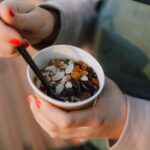
Warm liquids can stimulate the gastrocolic reflex, a natural wave of muscle activity in the colon that often follows eating or drinking. This reflex is why many people have a bowel movement after breakfast. A warm drink, especially with caffeine, can trigger it in some people within about 30 minutes.
Coffee’s effect is partly from caffeine and partly from other compounds. Decaf coffee can also stimulate the reflex in some people, which suggests caffeine is not the only factor. Tea may have a milder effect. This is a real phenomenon, but it is not a treatment for established constipation. It is more of a nudge.
One caution: caffeine can be dehydrating in large amounts. If coffee is your main fluid source and you drink a lot of it, make sure you are also drinking water.
What About Probiotics And Fermented Foods?
The evidence here is mixed. Probiotics are live microorganisms, and some strains have been studied for constipation. Results vary by strain, dose, and the person. No single probiotic has been established as a reliable constipation treatment, and products vary widely in what they actually contain.
Fermented foods like yogurt with live cultures, kefir, and sauerkraut may support gut health in general. Whether they relieve constipation specifically is not well established. They are reasonable to include in the diet, but they should not replace fiber and fluids as the foundation.
What Should You Avoid If You Are Constipated?
Some foods and habits work against you. Cutting back on these can matter as much as adding helpful foods.
- Low-fiber processed foods: white bread, white rice, and many packaged snacks have little fiber and can slow transit
- Too much dairy in some people: for most, dairy is not a cause of constipation, but a few people notice a link
- Excess alcohol: it can dehydrate you
- Ignoring the urge to go: repeatedly holding it in can worsen constipation over time
- Sudden large fiber increases without enough water
Physical activity also matters. Movement helps stimulate normal bowel function. You do not need intense exercise. Regular walking is enough for most people.
When Should You See A Doctor?
Most constipation responds to diet and lifestyle changes within a few days to a couple of weeks. But some situations need medical attention.
See a doctor if you have:
- Constipation that lasts longer than a few weeks despite diet changes
- Blood in your stool or black, tarry stools
- Unexplained weight loss
- Severe abdominal pain
- Constipation that starts suddenly, especially after age 50
- No bowel movement for several days along with vomiting or a swollen abdomen
These signs can point to conditions that need evaluation. They do not always mean something serious, but they should not be ignored. If you are unsure, a doctor can help you sort it out.
How Long Does It Take For Diet Changes To Work?
Fiber and fluid changes usually take a few days to a week to show an effect. The body needs time to adjust, and increasing fiber too fast can cause temporary bloating before things settle. Warm drinks and prunes may work faster in some people, sometimes within hours.
If nothing changes after a couple of weeks of consistent effort, that is a signal to talk to a doctor rather than keep adding supplements. Persistent constipation can have causes that diet alone will not fix, including medication side effects, thyroid problems, and other medical conditions.
One last point: constipation is defined by more than frequency. Having fewer than three bowel movements a week is one marker, but straining, hard stools, and a feeling of incomplete emptying also count. If your habits have changed and stayed changed, that is worth a conversation with a clinician.
Frequently Asked Questions
What is the fastest food to make you poop?
Prunes and prune juice are among the fastest-acting foods for many people, partly because they contain sorbitol, which draws water into the bowel. Warm coffee or tea can also trigger a bowel movement within about 30 minutes in some people.
Does drinking water immediately help constipation?
Water helps only if you were dehydrated, and it works alongside fiber rather than on its own. Drinking enough fluid keeps fiber soft and stool easier to pass, but extra water beyond your needs will not force a bowel movement.
How much fiber should I eat to poop regularly?
General guidance for adults is about 25 to 30 grams of fiber a day from a variety of plant foods. Increase gradually and drink more water as you do, since a sudden jump can cause gas and bloating.
Can probiotics help with constipation?
Some studies suggest certain probiotic strains may help, but results vary by strain and person, and no single probiotic is established as a reliable treatment. Fiber and fluids remain the foundation.
