

Food poisoning hits fast and makes eating the last thing you want to think about. Your stomach is cramping, you feel nauseous, and the thought of food may make things worse. The short answer is that you should start with clear liquids, then move to bland, easy-to-digest foods as your stomach settles. The goal is to stay hydrated and give your digestive system a break, not to force nutrition back into your body before it is ready.
Why Food Choices Matter During Food Poisoning
When you have food poisoning, the lining of your stomach and intestines is inflamed. Your body is actively trying to flush out the offending bacteria, virus, or toxin. That is why you are vomiting or having diarrhea. Eating the wrong foods during this time can irritate the inflamed digestive tract and make symptoms last longer.
Your digestive system also produces fewer enzymes while it is fighting off an infection. That means it cannot break down complex foods as well as it normally does. Simple, bland foods require less work from your gut. This is why the standard advice focuses on foods that are low in fat, low in fiber, and gentle on the stomach.
Hydration matters more than food in the first several hours. Your body loses fluids and electrolytes through vomiting and diarrhea. Replacing those fluids is the priority. Food can wait until you can keep liquids down without vomiting.
What to Drink First
Start with clear liquids. Water is the obvious choice, but it does not replace the electrolytes you are losing. Oral rehydration solutions are the most effective option because they contain the right balance of water, salt, and sugar to help your body absorb fluids. These are available at most pharmacies and are the standard recommendation for dehydration from diarrhea.
Clear broths are another good option. They provide fluid, some salt, and a small amount of calories. Sports drinks can work, but they often contain too much sugar and not enough salt to be ideal for rehydration. Diluting them with water can help.
Avoid dairy, caffeine, and alcohol during the acute phase. Dairy can be hard to digest when your gut is inflamed. Caffeine and alcohol both act as diuretics, which can worsen dehydration. Also avoid sugary juices and sodas, which can pull more water into the intestines and make diarrhea worse.
Sip fluids slowly. Drinking too much at once can trigger vomiting. Small, frequent sips are easier for your stomach to handle. If you can keep small amounts down for a few hours, you can gradually increase how much you drink.
The BRAT Diet and What It Really Means
The BRAT diet is the most well-known approach to eating after food poisoning. BRAT stands for bananas, rice, applesauce, and toast. These foods are bland, low in fiber, and easy to digest. They are gentle on an inflamed stomach and can help firm up stool.
Bananas are particularly useful because they provide potassium, an electrolyte that is often depleted through diarrhea. White rice is easy to digest and low in fiber, which means it does not stimulate the bowel as much as brown rice or whole grains. Applesauce provides some calories and pectin, which can help thicken stool. Plain toast gives you carbohydrates without the fat or fiber that could irritate your gut.
The BRAT diet is not meant to be followed for more than a day or two. It is very low in protein, fat, and many vitamins. It is a short-term bridge while your stomach recovers, not a long-term eating plan. Once you feel better, you need to return to a more balanced diet.
Some experts have moved away from recommending the BRAT diet as strictly as they once did. The concern is that it is too restrictive and lacks nutrients needed for recovery. However, the core principle remains valid: bland, low-fiber foods are easier to tolerate during acute digestive illness. You can follow the spirit of the BRAT diet while adding other gentle foods as you improve.


Other Gentle Foods to Try
Beyond the BRAT foods, several other options are generally well tolerated during recovery from food poisoning. Plain crackers, such as saltines, are a common choice. They are dry, salty, and easy to digest. The salt also helps replace some of what you lost.
Plain boiled potatoes without butter or sour cream are another good option. They provide carbohydrates and some potassium. Baked chicken or turkey without skin and without heavy seasoning can add protein once you are keeping bland foods down. Poached or boiled eggs are also gentle and provide protein.
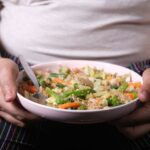
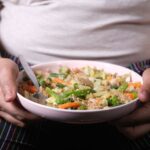
Plain oatmeal or cream of wheat can work if you tolerate grains well. Cook them with water rather than milk. Clear soups with soft, well-cooked vegetables can provide some nutrition, but avoid chunky, spicy, or creamy soups.
When you are ready to reintroduce foods, do it slowly. Add one new food at a time and wait to see how your stomach responds. If a food causes cramping or diarrhea to return, stop eating it and go back to the gentler options.
Foods to Avoid While Recovering
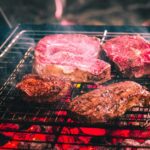
Some foods are known to make food poisoning symptoms worse. Fatty and fried foods are hard to digest and can stimulate the intestines, which is the opposite of what you want. Spicy foods can irritate the already inflamed stomach lining. Dairy products, including milk, cheese, and ice cream, can be difficult to digest while your gut is recovering, and they can worsen diarrhea in some people.
Raw vegetables and fruits with skins are high in fiber, which can be hard on your digestive system right now. High-sugar foods and drinks can draw water into the intestines and worsen diarrhea. Caffeine and alcohol should still be avoided. Carbonated drinks can cause bloating and gas, which adds to discomfort.
Processed foods with heavy seasonings, sauces, or preservatives are also best avoided. Your digestive system needs simple foods that require minimal work to break down. Anything complex, spicy, or high in fat can prolong your symptoms.
When to See a Doctor
Most cases of food poisoning resolve on their own within 24 to 48 hours. But some situations require medical attention. If you cannot keep any fluids down for more than 24 hours, you risk dehydration. Signs of dehydration include extreme thirst, dry mouth, dark urine, dizziness, and urinating very little or not at all.
Seek medical care if you have a fever above 101.5°F, blood in your vomit or stool, severe abdominal pain, or symptoms that last longer than three days. Older adults, pregnant women, young children, and people with weakened immune systems are at higher risk for complications and should be more cautious about waiting to see a doctor.
If you feel dizzy, confused, or have a racing heartbeat, these can be signs of significant dehydration or electrolyte imbalance and warrant immediate medical attention. Do not wait to see if these symptoms pass on their own.
How to Prevent Food Poisoning in the First Place
Prevention is more effective than any treatment. Wash your hands thoroughly before handling food and after using the bathroom. Cook meats to safe internal temperatures, and use a food thermometer to verify. Keep raw meats separate from ready-to-eat foods to avoid cross-contamination.
Refrigerate perishable foods within two hours, or within one hour if the temperature is above 90°F. Do not leave food out at room temperature for extended periods. Wash fruits and vegetables under running water before eating, even if you plan to peel them. Be careful with raw sprouts, unpasteurized dairy, and undercooked eggs or meat.
When eating out, pay attention to how food is handled and stored. If something looks or smells off, do not eat it. When in doubt, throw it out. These habits are the most reliable way to avoid the misery of food poisoning.
Frequently Asked Questions
How long should I wait before eating after food poisoning?
Wait until you can keep clear liquids down for several hours without vomiting. Then start with small amounts of bland, easy-to-digest foods like crackers or toast.
Can I eat eggs after food poisoning?
Yes, poached or boiled eggs are generally gentle on the stomach and provide protein. Avoid fried eggs or eggs cooked in butter or oil until you are fully recovered.
Is yogurt good for food poisoning?
Yogurt is not recommended during the acute phase because dairy can be hard to digest and may worsen diarrhea. Once your symptoms resolve, yogurt with live cultures is generally fine to reintroduce.
What should I drink when I have food poisoning?
Oral rehydration solutions are the best choice because they replace fluids and electrolytes. Clear broths and water are also good. Avoid caffeine, alcohol, and sugary drinks.
