
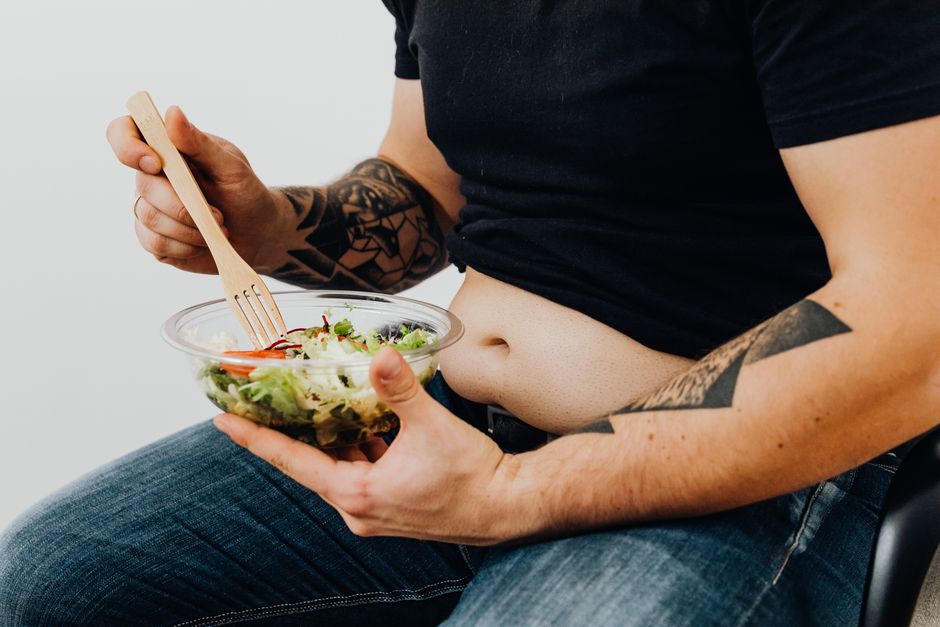
No single lunch food burns belly fat. What a good lunch can do is help you end the day in a calorie deficit, control blood sugar swings, and keep hunger low enough that you don’t overeat at dinner. Belly fat responds to an overall pattern of eating and movement, not to one meal. But lunch is a leverage point because it sits in the middle of your day and sets up how the rest of it goes.
Why Belly Fat Is Different From Other Fat
Belly fat isn’t just the soft layer you can pinch. Underneath that is visceral fat, which wraps around the liver, pancreas, and intestines. Visceral fat behaves differently from fat stored in the hips and thighs. It releases more free fatty acids and inflammatory signals directly into the bloodstream, and it drains into the liver through the portal vein.
That is why visceral fat is more strongly linked to type 2 diabetes, high blood pressure, and heart disease than fat stored elsewhere. This is well established in the medical literature.
You cannot target visceral fat with a specific food. The body does not spot-reduce. What reduces visceral fat is a sustained calorie deficit, regular physical activity, and enough sleep. Some evidence suggests visceral fat responds to lifestyle change somewhat faster than subcutaneous fat, but the difference is not dramatic and varies by person.
One clarification worth making: waist size is a better rough gauge of visceral fat than body weight alone. A tape measure around the belly button tells you more than a scale. For adults, a waist over 40 inches in men and over 35 inches in women is the threshold commonly used to flag elevated health risk. These are population-level cutoffs, not individual diagnoses.
What Makes a Lunch That Supports Fat Loss?
A fat-loss lunch does three things: it provides protein, it includes fiber-rich carbohydrates or vegetables, and it keeps added sugar and refined starch low. That combination slows digestion, blunts blood sugar spikes, and keeps you full for hours.
Protein is the most important piece. It has the highest thermic effect of the three macronutrients, meaning your body burns more calories digesting it. It also preserves muscle during a calorie deficit, and muscle burns more calories at rest than fat. Protein also reduces appetite more per calorie than carbs or fat.
Fiber comes second. It adds volume without many calories, slows gastric emptying, and feeds gut bacteria. Most US adults eat well below the recommended amount. The general recommendation is roughly 25 to 30 grams of fiber per day for adults, depending on age and sex.
Fat is not the enemy here. Healthy fats from olive oil, avocado, nuts, and fish slow digestion and help you feel satisfied. The issue is quantity, because fat is calorie-dense.
What a Balanced Fat-Loss Lunch Looks Like
- A palm-sized portion of lean protein: chicken, fish, tofu, beans, eggs, or Greek yogurt
- Half a plate of non-starchy vegetables: leafy greens, broccoli, peppers, cucumber, tomato
- A fist-sized portion of fiber-rich carbs: quinoa, brown rice, lentils, or a whole-grain wrap
- A thumb-sized portion of healthy fat: olive oil, avocado, nuts, or seeds
- Water or unsweetened tea instead of soda or sweetened drinks
Portion sizes here are rough guides based on common nutrition education tools, not precise prescriptions. Individual calorie needs vary widely by body size, activity level, and age.
What Should I Actually Eat for Lunch to Lose Belly Fat?
Build the meal around protein and vegetables first, then add a modest portion of carbs and fat. Here are practical options that fit that pattern.
Grilled chicken salad with mixed greens, chickpeas, cucumber, tomato, olive oil, and lemon. High protein, high fiber, moderate calories.
Canned salmon or tuna mixed with Greek yogurt instead of mayonnaise, on whole-grain bread or lettuce wraps, with a side of raw vegetables.
Lentil or bean soup with a side of plain Greek yogurt and a small whole-grain roll. Legumes are one of the few foods with both protein and substantial fiber.
Tofu or tempeh stir-fry with broccoli, peppers, and a small portion of brown rice.
Egg-based dishes like a vegetable omelet or a couple of hard-boiled eggs with a big salad. Eggs are a complete protein and inexpensive.
Greek yogurt bowl with berries, chia seeds, and a small handful of nuts. This works well if you want something quick and cold.
Notice none of these are exotic. No special powders, no detox teas, no fat-burning supplements. The pattern matters more than the specific recipe.





What Should I Avoid at Lunch If I Want to Lose Belly Fat?
The biggest issue is liquid calories and refined carbohydrates, not any single food. A large sweetened beverage can add several hundred calories without making you feel full at all.
Fast food combos, white bread sandwiches with mayo and processed meat, chips, and sugary desserts are common lunch choices that work against fat loss. They tend to be high in calories, low in protein and fiber, and easy to overeat.
Alcohol at lunch is worth flagging separately. It adds calories, disrupts sleep quality, and tends to increase appetite later in the day. None of that helps.
That said, no food is banned. A rigid approach usually fails. The question is what you do most of the time, not what you do once.
One thing that gets overlooked: eating too little at lunch can backfire. If you arrive at dinner ravenous, you are far more likely to overeat. A lunch that is too small is not a strategy.
Does Meal Timing Matter for Belly Fat?
Meal timing matters less than total intake for most people. The evidence on intermittent fasting versus regular meals for fat loss shows similar results when calories and protein are matched. Some studies suggest slight advantages for earlier eating patterns, but the findings are mixed and not strong enough to make firm recommendations.
What does seem to matter is consistency. Skipping lunch and then eating a very large dinner is a pattern that tends to work against fat loss for many people, though not everyone.
If you work a standard schedule, eating lunch at a consistent time helps regulate appetite and makes it easier to plan. That is practical advice, not a physiological rule.
Can Lunch Alone Reduce Belly Fat?
No. One meal cannot do it. Belly fat loss requires a sustained calorie deficit over weeks and months, combined with resistance training or other activity to preserve muscle, and adequate sleep.
Sleep deserves more attention than it usually gets. Short sleep is associated with higher levels of ghrelin, a hormone that increases hunger, and lower levels of leptin, which signals fullness. People who are sleep-deprived tend to eat more, and some research links short sleep to higher visceral fat independent of diet. That does not mean sleep alone causes or fixes belly fat, but it is part of the picture.
Stress is similar. Chronic stress raises cortisol, and elevated cortisol over time is associated with increased abdominal fat storage. The relationship is real but complex, and it does not mean stress alone explains belly fat.
The honest summary: lunch is one lever among several. It is a useful one because it is a meal you control and it shapes your afternoon. But it works as part of a pattern, not in isolation.
How Long Before You See Results?
Fat loss is generally visible after several weeks of consistent calorie deficit, not days. Early weight loss often includes water weight, which can be misleading. Visceral fat may respond somewhat faster than subcutaneous fat, but this varies and is not something you can feel happening.
Waist measurements taken every few weeks are more useful than daily weigh-ins, which fluctuate with hydration, salt intake, and hormones. A slow, steady loss of roughly one to two pounds per week is the range most clinical guidelines describe as sustainable for adults. Faster loss is possible but harder to maintain and more likely to include muscle.
If you have been eating well for a week and see no change, that is normal. Fat loss is not linear. Plateaus happen. The pattern over months is what counts.
Frequently Asked Questions
Can eating a certain lunch food burn belly fat directly?
No food burns belly fat directly. Some foods support fat loss by keeping you full and stabilizing blood sugar, but the effect comes from your overall calorie intake, not any single ingredient.
Is skipping lunch good for losing belly fat?
Skipping lunch does not reliably help and often leads to overeating later in the day. Most people do better eating a balanced lunch with protein and vegetables than skipping it entirely.
What is the best protein for a fat-loss lunch?
Any lean protein works: chicken, fish, eggs, tofu, beans, or Greek yogurt. The specific source matters less than getting enough of it, since protein preserves muscle and reduces appetite.
Do carbs at lunch cause belly fat?
Carbs do not cause belly fat on their own. Excess calories from any source lead to fat gain, and fiber-rich carbs like beans, lentils, and whole grains tend to support fat loss rather than work against it.
