
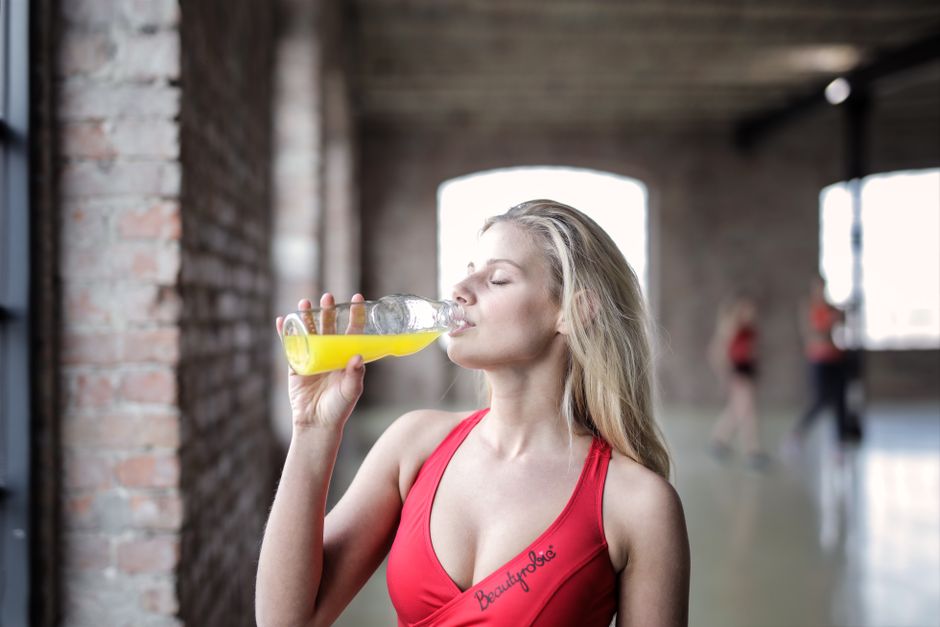
No drink burns belly fat. Not while breastfeeding, not at any other time. If you are scrolling for a fat-melting tea or a “metabolism-boosting” juice, the honest answer is that none of it works the way the marketing claims. What you drink can support your health, your milk supply, and your energy while your body does what it is already doing after birth. That is a real and useful role. It is just not the same thing as targeting belly fat.
Here is why that distinction matters so much right now. During breastfeeding, your body is spending a large amount of energy making milk, and it is also recovering from pregnancy and birth. Cutting calories hard or drinking things that act as stimulants or laxatives can work against you. The drinks that help are the boring ones: water, milk, and unsweetened beverages. The drinks that hurt are the ones sold with the loudest promises.
What Can I Drink To Lose Belly Fat While Breastfeeding?
The short answer is water. Plain water is the single most useful drink for a breastfeeding mother, and it is the one most likely to be under-consumed.
Human milk is roughly 87 percent water. That water comes from your body, and your body pulls it from whatever you take in. If you are not drinking enough, you may feel more tired, more headachy, and more prone to constipation — all things that make the postpartum period harder than it needs to be. Drinking enough does not melt fat. It does keep your body functioning well enough to do everything else.
A practical way to think about it: drink to thirst, and keep a glass or bottle within reach every time you sit down to feed. Many mothers find they are thirstier during and right after a feeding, which makes sense. Milk release is tied to oxytocin, and oxytocin can trigger thirst. Your body is telling you something useful. Listen to it.
Beyond water, the drinks worth your attention are:
- Plain water, sparkling water, or water with a squeeze of lemon or lime
- Unsweetened tea, including herbal teas that are considered safe during breastfeeding
- Low-fat or skim milk, which also contributes protein and calcium
- Unsweetened coffee in moderate amounts, if you tolerate it
- Broth or low-sodium soups, which add fluid and some electrolytes
None of these target belly fat. They support hydration, nutrition, and milk production. That is the real job.
Why Can’t Any Drink Target Belly Fat Specifically?
Because fat loss does not work by location. This is one of the most persistent myths in health, and it is worth understanding clearly.
When your body uses stored fat for energy, it releases it from fat cells throughout the body. The order in which you lose fat — and where it comes off first — is largely determined by genetics and hormones, not by what you drink. You cannot spot-reduce fat in the belly by consuming a specific beverage. No drink, food, or exercise can force your body to burn fat from one area only.
Belly fat is also not a single thing. There are two main types:
- Subcutaneous fat sits just under the skin. It is the soft fat you can pinch.
- Visceral fat sits deeper, around the organs. It is linked to higher health risks and is harder to see.
After pregnancy, some of what looks like “belly fat” is not fat at all. It can be stretched abdominal muscle, known as diastasis recti, or lingering fluid, or simply the uterus still shrinking back. These are not things a drink can address. If your belly still looks pregnant months after birth, that is worth mentioning to your doctor rather than trying to fix with a beverage.
Do “Fat-Burning” Teas And Detox Drinks Work?
No. And some of them are actively risky while breastfeeding.
The teas and drinks marketed for weight loss usually work in one of three ways, none of which are good for you right now:
- Stimulants like high-dose caffeine or guarana, which can make you jittery and can pass into breast milk
- Laxatives like senna, which cause diarrhea and fluid loss — not fat loss
- Diuretics, which make you urinate more and lose water, not fat
Any weight you “lose” from a laxative or diuretic is water, and it comes right back. Worse, these products can dehydrate you, which is the opposite of what your body needs while producing milk. Herbal weight-loss teas are also a problem because their ingredients are often not clearly labeled and many herbs have not been studied in breastfeeding women. “Natural” does not mean safe during lactation.
Detox is a marketing word, not a medical one. Your liver and kidneys already filter waste from your blood. No tea improves that process. If a product claims to “flush toxins” or “reset your metabolism,” it is selling you a feeling, not a result.



Does Breastfeeding Itself Help With Belly Fat?
Breastfeeding does use a meaningful amount of energy. Producing milk burns calories, and for many women this contributes to gradual weight loss in the months after birth.
But the honest picture is more complicated than “breastfeeding melts the baby weight.” Research on this is mixed. Some studies find that mothers who breastfeed lose weight a little faster in the first few months. Others find no clear difference, or find that weight loss varies widely from person to person. The evidence does not support a promise that breastfeeding alone will return you to your pre-pregnancy weight.
What is well established is that breastfeeding has real health benefits for both mother and baby, independent of weight. That is reason enough to do it if you can and choose to. Weight loss is a possible side effect, not a guaranteed outcome.
One more thing worth knowing: many mothers actually hold onto some weight while breastfeeding and lose it after weaning. This appears to be a normal hormonal pattern in some women. It is not a sign you are doing something wrong.
What About Coffee, Green Tea, And Other Common Drinks?
Coffee and green tea get a lot of attention for weight loss. The evidence for either producing meaningful fat loss in humans is weak, and neither targets belly fat. Some studies suggest small effects on metabolism, but these do not translate into noticeable weight loss on their own.
During breastfeeding, the bigger question is caffeine. Caffeine does pass into breast milk. Amounts vary between women, and some babies are more sensitive than others. General guidance from health authorities suggests keeping caffeine intake moderate — commonly cited as up to about 300 milligrams per day, roughly two to three cups of coffee. Some babies become fussy or wakeful when their mother drinks caffeine, so watch your own baby rather than relying on a number alone.
Green tea contains caffeine too, so it counts toward that total. Herbal teas are a separate category. Some herbs used in teas, like fenugreek, are traditionally taken to support milk supply, but the evidence for whether they work is limited, and some herbs are not considered safe during breastfeeding. If you want to try an herbal tea, check with your doctor or a lactation consultant first.
What Actually Helps Reduce Belly Fat After Pregnancy?
Time, patience, and the basics. There is no shortcut, and anyone selling you one is not being straight with you.
The factors that genuinely influence fat loss are the same for breastfeeding and non-breastfeeding people:
- Overall calorie balance. Fat loss happens when you consistently use more energy than you take in. During breastfeeding, your body is already using extra energy for milk, so this balance is different from usual. Aggressive dieting is not recommended while nursing, because it can affect milk supply and your own recovery.
- Protein and nutrient-dense food. These help you feel full and support milk quality and your own healing.
- Movement. Walking, gentle strength work, and eventually more intense exercise all help. Exercise does not spot-reduce belly fat either, but it supports overall fat loss and health.
- Sleep and stress. Both are hard to come by with a newborn, and both affect appetite, hormones, and how your body stores fat. This is not a criticism — it is a reason to be patient with yourself.
If you want to lose weight while breastfeeding, the general clinical advice is to do it slowly and not to drop calories too low. Rapid weight loss can reduce milk supply, and some research suggests certain compounds released during fast fat loss can pass into milk. Talk to your doctor before starting any weight-loss plan while nursing, especially if you are within the first few months postpartum.
When Should You Talk To A Doctor?
Talk to your doctor if your belly still looks pregnant many months after birth, if you have pain or a bulge in your abdomen, or if you have symptoms like persistent fatigue, hair loss, or feeling cold all the time. These can point to thyroid issues, which are common after pregnancy and treatable.
Also talk to your doctor before using any weight-loss supplement, tea, or herbal product while breastfeeding. The supplement industry is not tightly regulated, and many products contain ingredients that have never been studied in nursing mothers. Your doctor or a lactation consultant can help you sort out what is safe.
The bottom line: drink water, eat well, move when you can, and give your body time. Belly fat after pregnancy is normal, and it does not come off because of a special drink. It comes off, eventually, the same way it does for everyone — gradually, and with patience.
Frequently Asked Questions
What is the best drink to lose belly fat while breastfeeding?
Water is the best choice because it supports hydration and milk production, but no drink burns belly fat. Fat loss depends on overall calorie balance, not on any single beverage.
Do detox teas help you lose belly fat while breastfeeding?
No, and they can be risky. Many contain laxatives or stimulants that cause water loss rather than fat loss, and some ingredients are not considered safe during breastfeeding.
Can I drink coffee while breastfeeding and still lose weight?
Moderate coffee is generally considered acceptable during breastfeeding, commonly cited as up to about 300 milligrams of caffeine per day. Coffee does not meaningfully promote fat loss, and some babies are sensitive to caffeine in breast milk.
Does breastfeeding help you lose belly fat?
Breastfeeding uses extra energy and may help some mothers lose weight gradually, but the research is mixed. It is not a guaranteed way to lose belly fat, and many women lose weight after weaning instead.
