
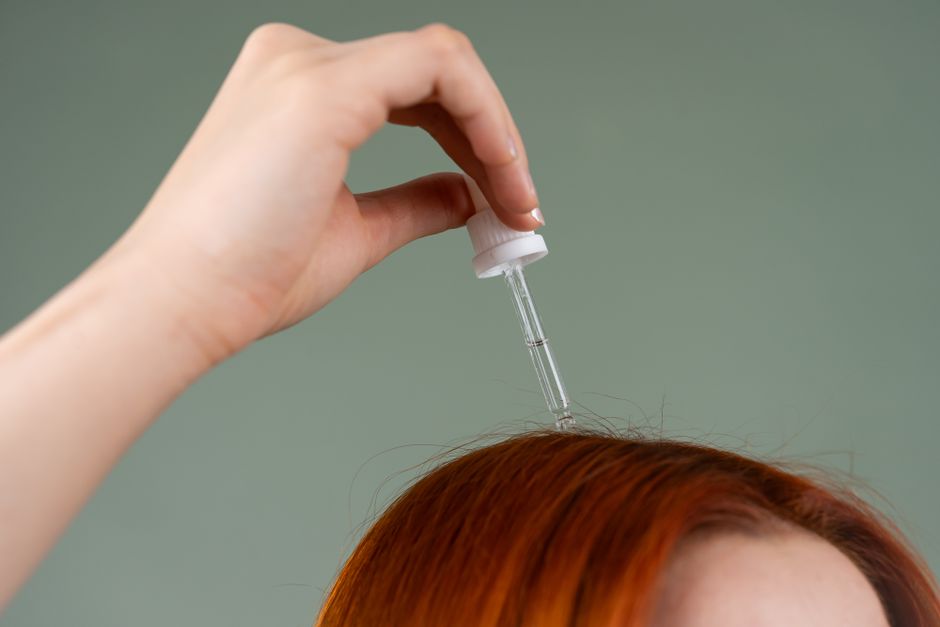
Hair loss is common, and in many cases it can be slowed or managed. The right steps depend on the cause. Pattern hair loss responds to a small number of treatments with real evidence behind them. Hair lost to illness, poor nutrition, or harsh styling often regrows once the cause is corrected. A dermatologist can tell you which situation you are in.
What you can do falls into three buckets: treat the cause if it is treatable, use proven treatments for pattern hair loss, and stop habits that damage hair. Start by getting an accurate diagnosis. Many people spend money on shampoos and supplements for a problem those products cannot fix.
What actually causes hair loss?
Most hair loss in adults falls into a few categories, and they need different responses.
Androgenetic alopecia is pattern hair loss. It is driven by genetics and hormones, and it affects both men and women. In men it typically shows as a receding hairline or thinning at the crown. In women it usually shows as widening of the part and diffuse thinning over the top of the head. This is the most common cause of hair loss in adults.
Telogen effluvium is temporary shedding triggered by a stressor. Common triggers include significant illness, surgery, severe emotional stress, rapid weight loss, and childbirth. The shedding usually starts weeks to a few months after the trigger. It is generally reversible, though regrowth takes time.
Alopecia areata is an autoimmune condition that causes sudden, smooth, round patches of hair loss. It can affect the scalp, beard, eyebrows, or other areas.
Scarring alopecias are a group of conditions where inflammation destroys hair follicles permanently. They are less common but important because early treatment can limit permanent damage.
Other contributors include thyroid disease, iron deficiency, certain medications, and prolonged tight hairstyles. A dermatologist can usually distinguish these with an exam and, when needed, blood tests or a scalp biopsy.
Which treatments have real evidence behind them?
Pattern hair loss has a small number of treatments with meaningful clinical evidence. Most other products marketed for hair growth do not.
Minoxidil is a topical treatment available over the counter in the US. It is applied to the scalp. Research consistently shows it slows hair loss and can regrow some hair in androgenetic alopecia. It works for as long as you use it. Hair gained is typically lost after stopping. It takes several months of consistent use before you can judge whether it is working.
Finasteride is an oral prescription medication for men with pattern hair loss. It blocks conversion of testosterone to dihydrotestosterone (DHT), a hormone that drives follicle miniaturization in genetically susceptible men. Clinical trials have found it effective at slowing loss and regrowing hair in many men. It requires a prescription and carries potential side effects that should be discussed with a doctor.
Other options exist but with less certainty. Some clinicians prescribe oral minoxidil off-label. Platelet-rich plasma (PRP) injections are used in some clinics, but the evidence is mixed and results vary. Low-level laser devices have some supporting studies, but the quality of evidence is limited and devices vary widely.
Hair transplant surgery can restore hair in suitable candidates. It does not stop ongoing loss, so many surgeons recommend medication alongside it.
Be skeptical of shampoos, serums, and supplements that promise regrowth. No clinical evidence currently confirms that most of these products regrow hair in pattern baldness.
What can I do to stop hair loss with changes at home?
Home steps help most when the cause is something you can correct. They do little for genetic pattern loss on their own.
- Eat enough protein and calories. Hair is largely protein, and severe restriction or rapid weight loss can trigger shedding.
- Correct nutrient deficiencies if testing shows them. Iron deficiency is a well-established contributor to hair loss, especially in women. Take supplements only when a deficiency is confirmed, and discuss dosing with a clinician.
- Stop tight hairstyles. Ponytails, braids, and extensions pulled tight for long periods can cause traction alopecia. This type of loss is preventable if caught early.
- Limit harsh chemical treatments and heat. Repeated bleaching, relaxing, and high heat can damage hair shafts and breakage.
- Manage stress where you can. Severe stress is a known trigger for telogen effluvium.
- Do not pull, twist, or pick at hair. This habit, called trichotillomania, is a recognized condition and responds to treatment.
One clarification worth knowing: washing your hair does not cause hair loss. The hairs that come out in the shower were already in the shedding phase. Normal shedding is part of the hair cycle. People commonly shed dozens of hairs a day, and that is expected.





When should I see a doctor about hair loss?
See a doctor if the loss is sudden, patchy, accompanied by scalp itching, pain, scaling, or redness, or if you also have fatigue, weight changes, or other symptoms. These can point to thyroid disease, iron deficiency, or an inflammatory scalp condition.
See a doctor if you are a woman with thinning that is widening your part, or if the loss is rapid and diffuse. Pattern hair loss in women is common, but other causes should be ruled out first.
See a doctor before starting any prescription treatment or supplement, especially if you are pregnant, breastfeeding, or planning pregnancy. Finasteride is not for use in women who are or may become pregnant. No clinical guidelines support its use in pregnancy, and it carries known risks in that context.
An accurate diagnosis changes what will help. That is the single most useful step most people can take.
Do supplements and special shampoos work?
For most people, no. The evidence does not support the broad claims made for most hair growth supplements and shampoos.
Supplements can help in one specific situation: a confirmed deficiency. If blood tests show low iron, low vitamin D, or another deficiency linked to hair loss, correcting it may help. Taking supplements without a deficiency has not been shown to regrow hair in healthy people.
Some shampoos and scalp products may reduce breakage or improve the appearance of hair. That is different from regrowing hair. Marketing often blurs the two. A product that makes hair look thicker is not the same as a treatment that changes the hair cycle.
If a product claims to regrow hair, ask what clinical trials support that claim. Most cannot point to any.
How long does it take to see results?
Hair grows slowly, and any real treatment takes months before you can judge it. The hair growth cycle means changes appear gradually. Most clinicians suggest giving a proven treatment several months of consistent use before deciding whether it works.
Telogen effluvium usually resolves on its own once the trigger is removed, but regrowth can take many months. Alopecia areata varies widely. Some patches regrow without treatment, and others need medical care.
Consistency matters more than anything. Stopping a treatment early, or using it irregularly, makes it hard to know whether it would have helped. It also means any hair gained is likely to be lost.
There is no guaranteed way to stop hair loss. What exists is a set of treatments with real evidence for specific types of loss, plus steps to avoid damage and correct underlying causes. Getting the diagnosis right is what makes the rest of the plan work.
Frequently Asked Questions
Can hair loss be reversed?
Some types can. Telogen effluvium usually reverses once the trigger is removed, and pattern hair loss can be slowed or partly regrown with proven treatments. Scarring alopecias cause permanent loss, which is why early treatment matters.
Does washing your hair cause hair loss?
No. Hairs that come out in the shower were already in the shedding phase of the normal hair cycle. Washing does not cause new loss.
What is the most effective treatment for hair loss?
For pattern hair loss, minoxidil and finasteride have the strongest evidence. Which is right for you depends on your sex, the cause of your loss, and your medical history, so a diagnosis comes first.
Can vitamins stop hair loss?
Only if you have a confirmed deficiency. Correcting low iron or other deficiencies may help, but supplements have not been shown to regrow hair in people with normal nutrient levels.
