
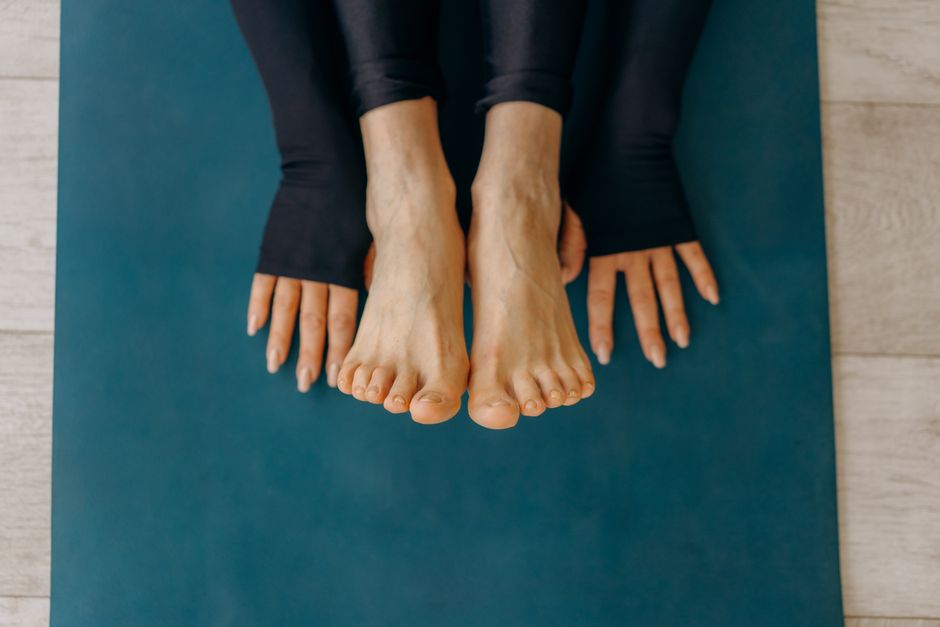
Swelling in the feet and ankles has a name: peripheral edema. It happens when fluid builds up in the tissues instead of moving back into your bloodstream. The right steps depend on why it’s happening, but a few general measures help in many cases: put your feet up above the level of your heart when you rest, keep moving your legs and ankles during the day, cut back on salt, and talk to a doctor if the swelling is new, one-sided, painful, or comes with shortness of breath.
What Can I Do To Reduce Swelling In My Feet?
The single most effective thing most people can do at home is elevate the legs above heart level. Gravity is a major reason fluid pools in the lower legs. Raising the feet higher than the heart lets that fluid drain back toward the center of the body through the veins and lymphatic vessels.
Lying down with two or three pillows under the ankles works. So does a recliner with the footrest raised, as long as the feet end up above the chest. Sitting with your feet on an ottoman at knee height is not the same thing. The fluid needs a downhill path.
Second, keep the calf muscles working. The muscles in your lower legs act as a pump. Every time you flex your ankle or take a step, they squeeze the deep veins and push blood upward. Long periods of sitting or standing still let that pump go quiet, and fluid settles.
Third, look at salt. Sodium makes the body hold onto water. If your diet is heavy in processed food, restaurant meals, canned soup, or deli meat, cutting back can reduce how much fluid your body retains. This matters most for people whose swelling is linked to heart, kidney, or liver conditions, but it can help in milder cases too.
Why Do My Feet Swell In The First Place?
Fluid balance in the body depends on a balance of pressures. Blood pushes outward through tiny vessels called capillaries. Proteins in the blood, especially albumin, pull fluid back in. The lymphatic system collects whatever is left and returns it to the bloodstream.
Swelling appears when any part of that system is off:
- Increased pressure in the veins. This happens with heart failure, kidney disease, or long periods of standing. Veins in the legs have to push blood uphill against gravity, and when that pressure rises, fluid leaks into surrounding tissue.
- Low protein levels. Liver disease, kidney disease that leaks protein into urine, and severe malnutrition can lower albumin. Less protein means less pull, so fluid stays in the tissues.
- Lymphatic blockage. The lymph system can be damaged by surgery, radiation, infection, or a tumor. When drainage is blocked, fluid builds up.
- Medications. Some blood pressure drugs, steroids, and diabetes medications can cause fluid retention as a side effect.
- Hormonal shifts. Pregnancy and the days before a menstrual period can cause mild swelling in the legs and feet.
Some of these causes are minor and self-limiting. Others need medical attention. That distinction is the reason a doctor’s evaluation matters when swelling is new or persistent.
When Is Foot Swelling A Medical Emergency?
Swelling in one leg only, especially with pain, warmth, or redness, needs urgent evaluation. A blood clot in a deep vein — called deep vein thrombosis — can cause exactly this pattern, and it can be dangerous if the clot travels to the lungs.
Swelling in both legs that comes with shortness of breath, chest pressure, or difficulty lying flat also needs immediate care. That combination can point to heart failure that is getting worse.
Other signs that warrant a prompt call to a doctor:
- Swelling that appears suddenly, not gradually
- Skin that is stretched, shiny, or weeping fluid
- Swelling that does not improve with elevation overnight
- Swelling along with reduced urine output or weight gain over days
- Swelling in the feet along with swelling in the abdomen
None of these signs confirm a specific diagnosis on their own. They are reasons to get checked, not reasons to panic. A doctor can sort out the cause with an exam, blood tests, and sometimes imaging.



Does Compression Help Swollen Feet?
Compression socks and stockings apply steady pressure to the leg, which helps push fluid back toward the heart. They are used widely in clinical practice for swelling related to vein problems and after some surgeries.
The evidence is strongest for graduated compression, meaning the pressure is highest at the ankle and lower as it goes up the leg. Over-the-counter compression socks come in different pressure levels, measured in millimeters of mercury (mmHg).
Two cautions matter here. First, compression should not be used if you have arterial disease in the legs, because it can restrict blood flow further. Second, if you have heart failure, compression can shift fluid back into the central circulation, and that needs to be managed with a doctor’s guidance. Compression is not a universal fix.
If you are considering compression, ask a clinician what pressure level and type fits your situation. Off-the-shelf socks are not the same as prescription stockings, and the wrong fit can do more harm than good.
What About Diuretics And Other Medications?
Diuretics — often called water pills — are prescription medications that make the kidneys excrete more sodium and water. They are a mainstay of treatment for swelling caused by heart failure, kidney disease, and liver disease.
They are not appropriate for every kind of swelling. Swelling from vein problems or lymphedema does not respond well to diuretics, and taking them without a clear diagnosis can cause dehydration and electrolyte problems. This is why diuretics are a doctor’s decision, not a self-treatment.
If a medication you already take seems to be causing swelling, do not stop it on your own. Call your prescriber. Some drugs can be swapped for alternatives; others cannot be stopped abruptly.
What Lifestyle Changes Actually Make A Difference?
Movement is the most reliable lifestyle lever. Walking, ankle circles, and calf raises all engage the muscle pump. If you sit for long stretches, set a timer and get up every hour or so. If you stand all day, shift your weight and flex your ankles regularly.
Weight matters too. Extra body weight raises pressure in the veins of the legs and abdomen, which makes fluid pooling more likely. Weight loss, when it is appropriate and sustainable, tends to reduce swelling over time.
Diet plays a supporting role. Reducing sodium helps. So does getting enough protein if your intake is low, though this should be guided by a clinician if you have kidney or liver disease.
Here is a comparison of common home measures and what the evidence supports:
| Measure | What It Does | Evidence Strength |
|---|---|---|
| Leg elevation above heart level | Uses gravity to drain fluid | Well established |
| Walking and ankle movement | Activates the calf muscle pump | Well established |
| Sodium reduction | Reduces fluid retention | Well established for heart, kidney, and liver-related swelling |
| Graduated compression | Applies external pressure to move fluid | Strong for vein-related swelling; not for all causes |
| Diuretics | Increases water and sodium excretion | Strong for specific diagnoses; not for all swelling |
| Weight loss | Reduces venous pressure | Supportive evidence |
Does Diet Or Hydration Play A Role?
Drinking less water does not reduce swelling. That idea is a common myth. In most cases, restricting fluids is not helpful and can be harmful unless a doctor specifically recommends it for a condition like advanced heart failure or kidney failure.
Sodium is the mineral that matters most. The body tightly regulates sodium and water together. When sodium intake is high, the body holds water to keep the concentration balanced. Cutting back on sodium — especially from processed and restaurant food — is one of the more reliable ways to reduce mild fluid retention.
Potassium also plays a role in fluid balance, but potassium supplements should not be taken without medical guidance, particularly if you have kidney disease or take certain blood pressure medications. Some diuretics lower potassium; others raise it. This is not a do-it-yourself area.
When Should I See A Doctor About Swollen Feet?
See a doctor if the swelling is new, lasts more than a few days, affects only one leg, or comes with pain, redness, or warmth. Also see a doctor if you have a known heart, kidney, or liver condition and the swelling is getting worse.
Mild swelling that comes and goes — after a long flight, in hot weather, or in the days before a period — is often not a concern. But swelling that is persistent, progressive, or paired with other symptoms deserves an evaluation.
A doctor will typically check your history, examine both legs, and may order blood tests, a urine test, or an ultrasound. The goal is to find the cause, because treatment depends entirely on what is driving the fluid buildup.
Frequently Asked Questions
How long does it take for swollen feet to go down?
Mild swelling from standing or travel often improves within hours of elevating the legs. Swelling from a medical condition may take days to weeks to improve and usually needs treatment of the underlying cause.
Can drinking more water reduce swelling in my feet?
No. Drinking more water does not flush out swelling in most cases, and restricting fluids without medical guidance can be harmful. Sodium reduction is the dietary change with the clearest effect.
Is it safe to use compression socks every day?
Compression socks are safe for many people with vein-related swelling, but they are not appropriate if you have arterial disease or certain heart conditions. Ask a clinician before starting daily use.
When should I worry about swollen feet?
Worry when swelling affects only one leg, comes with pain or warmth, appears suddenly, or is paired with shortness of breath. Those signs need prompt medical evaluation.
