

Trapped gas can cause sharp stomach pain, bloating, and a feeling of fullness that makes you miserable. The most direct way to relieve it is to trigger a burp by changing your body position, applying gentle pressure, or drinking a warm beverage. If you cannot burp, moving your body and massaging your abdomen can help push the gas through your digestive tract instead. Here are the methods that work, why they work, and when the problem might be something more serious.
Why Does Gas Get Trapped In The First Place?
Gas builds up in your digestive system in two main ways. You swallow air when you eat, drink, chew gum, or talk while eating. Your gut bacteria also produce gas when they break down undigested food in your large intestine.
Most of the time, this gas moves through your system and exits naturally. Sometimes it pools in a bend of your intestine or sits in your stomach, creating pressure. That pressure is what causes the sharp, stabbing pains and the bloated feeling.
Swallowed air is the main source of gas that comes out as a burp. Gas produced by bacteria in the lower gut is what causes flatulence. Knowing which type you have helps you choose the right relief method.
What Can I Do To Burp And Relieve Trapped Gas?
To burp on demand, you need to create pressure in your stomach and open the sphincter at the top of it. The lower esophageal sphincter is a ring of muscle that keeps stomach contents from flowing backward. When it relaxes, trapped air can escape.
Try these techniques in order. Many people find the first one works within a minute.
- Sip a carbonated drink slowly. The carbon dioxide in the drink adds more gas to your stomach, which increases pressure and makes burping easier. Do not chug it. Sipping gives your stomach time to stretch.
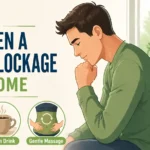
- Drink a warm liquid. Warm water, herbal tea, or broth can relax the digestive tract. Heat helps muscles relax, including the sphincter that holds gas in your stomach.
- Change your position. Lie on your left side with your knees pulled toward your chest. This position puts the stomach above the esophagus, which helps gas rise upward. Alternatively, stand up and bend forward slowly at the waist.
- Apply gentle pressure. Press your hand against your upper abdomen just below your ribs. Some people find that leaning forward while pressing helps force the burp out.
- Move your body. Walk around or do gentle twists. Movement helps shift gas pockets and can encourage a burp to surface.
If these do not work, the gas may be further down in your intestines. Burping will not help at that point. You need to focus on moving the gas through and out the other end.
How To Move Trapped Gas Through Your Intestines
When gas is stuck in the lower part of your digestive tract, the goal is to stimulate movement. Your intestines move food and gas along through rhythmic contractions called peristalsis. You can encourage these contractions with physical activity and certain body positions.
Walking is one of the most effective ways to relieve trapped lower gas. The gentle bouncing motion and the use of your core muscles help shift gas pockets. A 10 to 15 minute walk is often enough to provide relief.
Yoga poses that compress the abdomen can also help. The child’s pose, where you kneel and fold forward with your arms stretched out, puts gentle pressure on the belly. The knee-to-chest pose, where you lie on your back and pull your knees toward your chest, does the same thing.
Abdominal massage is another option. Lie down and use your fingertips to massage your abdomen in a clockwise direction. This follows the path of your colon. Use firm but comfortable pressure and continue for several minutes.
Heat can help too. A warm compress or heating pad placed on your abdomen can relax the muscles in your intestinal wall. When those muscles relax, gas can move more freely.




Do Over-The-Counter Gas Medications Work?
Two main types of gas relief products exist, and they work in completely different ways. Knowing the difference matters because one works on stomach gas and the other works on intestinal gas.
Simethicone is the active ingredient in products like Gas-X. It works by breaking up gas bubbles in your stomach and intestines, making them easier to pass. The evidence for simethicone is mixed. Some studies show it provides symptom relief, while others show little benefit compared to a placebo. Many people find it helpful for mild bloating, and it is generally considered safe.
Alpha-galactosidase is the active ingredient in products like Beano. It is an enzyme that helps break down complex carbohydrates in beans and vegetables before they reach your colon. This prevents gas from forming in the first place. It only works if you take it right before eating gas-producing foods. It will not help with gas that is already trapped.
Neither product is a quick fix for gas that is already causing pain. Simethicone may help break up bubbles, but it does not speed up the movement of gas through your system. The physical methods described above are often more effective for immediate relief.
When Trapped Gas Pain Might Be Something Else
Gas pain is usually brief and shifts when you move. It often feels better after you pass gas or have a bowel movement. But the same symptoms can also come from more serious conditions.
If your pain is severe, constant, or getting worse, see a doctor. Seek immediate medical care if the pain is accompanied by fever, vomiting, blood in your stool, or if your abdomen is tender to the touch. These could be signs of a blockage, appendicitis, or another condition that requires treatment.
If you have frequent trapped gas that does not respond to the methods above, talk to a doctor. Frequent gas can be a sign of irritable bowel syndrome, celiac disease, lactose intolerance, or small intestinal bacterial overgrowth. These conditions require proper diagnosis and management.
One important clarification: burping excessively is not the same as having trapped gas. If you burp more than 20 times a day, you may have a condition called aerophagia, where you swallow too much air. This is often related to anxiety, eating too quickly, or drinking through a straw.
How To Prevent Trapped Gas Before It Starts
Prevention is easier than treatment. Most trapped gas comes from habits you can change starting today.
- Eat slowly. When you eat fast, you swallow more air. Put your fork down between bites and chew thoroughly.
- Avoid carbonated drinks. Soda, beer, and sparkling water add gas directly to your stomach.
- Do not chew gum or suck on hard candy. Both cause you to swallow air repeatedly.
- Skip straws. Drinking through a straw pulls in extra air.
- Identify your trigger foods. Beans, lentils, broccoli, cabbage, onions, and carbonated drinks are common culprits. Keep a food diary to find yours.
- Consider a probiotic. Some research suggests certain probiotic strains may reduce gas and bloating, but results vary widely between products and individuals.
If you are lactose intolerant, dairy products will cause gas. If you have fructose intolerance, certain fruits and sweeteners will cause gas. These are individual issues that require personal dietary adjustments.
One non-obvious point: artificial sweeteners like sorbitol and mannitol are poorly absorbed by the body and can cause significant gas. They are common in sugar-free gum and candies. If you chew sugar-free gum regularly and have gas problems, this could be the cause.
Frequently Asked Questions
Why can I not burp no matter what I try?
You may have a condition called retrograde cricopharyngeus dysfunction, which prevents the muscle at the top of your esophagus from relaxing to let gas out. If you cannot burp at all and it causes daily discomfort, see a doctor for evaluation.
Is it better to burp or pass gas through the other end?
Either is fine as long as the gas exits your body. Gas from your stomach comes out as a burp, and gas from your intestines comes out as flatulence. The important thing is relief, not the direction.
How long can trapped gas pain last?
Most trapped gas passes within a few hours with movement and positional changes. If pain lasts more than a day or keeps coming back, talk to a doctor about possible underlying causes.
Does drinking warm water help with trapped gas?
Warm water can help relax the digestive tract and may encourage a burp. It is a simple, safe first step, but it does not work for everyone.
