
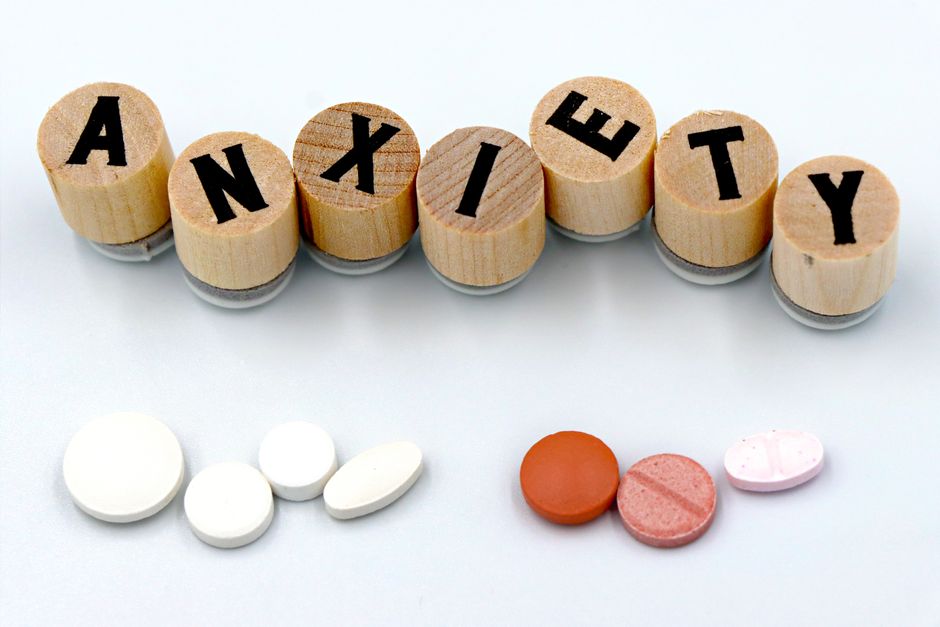
Anxiety responds best to a combination of approaches, not a single fix. The strategies with the strongest evidence include cognitive behavioral therapy, regular physical activity, consistent sleep, and controlled breathing exercises. Some people also benefit from medication, and for many, the most effective path combines more than one of these.
What Actually Works for Anxiety?
Not everything marketed for anxiety holds up under study. The approaches below have the most consistent research support.
Cognitive behavioral therapy (CBT) is one of the most studied treatments for anxiety disorders. It works by helping people identify and change the thought patterns that fuel anxious feelings. Research consistently shows CBT reduces anxiety symptoms, and it often works as well as medication for many people. It also tends to hold up over time because you learn skills you keep using.
Regular physical activity has solid evidence behind it. Aerobic exercise in particular has been shown in multiple studies to reduce anxiety symptoms. You do not need to run marathons. Brisk walking, cycling, swimming, or anything that raises your heart rate for a sustained period can help. The key is consistency over weeks and months, not one intense session.
Sleep matters more than most people realize. Anxiety and poor sleep feed each other. When you sleep badly, your body’s stress response becomes more reactive. When you are anxious, falling asleep gets harder. Breaking that loop by protecting your sleep schedule is one of the most practical things you can do.
Controlled breathing is not just a folk remedy. Slow, deliberate breathing activates the parasympathetic nervous system, which is the branch of your nervous system that calms you down. This is established physiology. Exercises like extending your exhale longer than your inhale can shift your body out of a stress state. The evidence for breathing exercises reducing clinical anxiety is moderate, but the physiological effect on arousal is well documented.
Limiting alcohol and caffeine can make a real difference. Both can trigger or worsen anxiety symptoms. Caffeine stimulates the same systems that produce the physical feelings of anxiety. Alcohol can seem calming at first, but it disrupts sleep and can increase anxiety the following day.
Which Breathing Techniques Help Most?
Breathing exercises work because they directly influence your autonomic nervous system. When you breathe slowly and deeply, particularly with a longer exhale, your body shifts toward a calmer state. This is not a belief. It is how the vagus nerve and parasympathetic system operate.
A few techniques have the most support:
- Diaphragmatic breathing. Place one hand on your belly and one on your chest. Breathe so only the belly hand moves. This engages your diaphragm instead of your chest muscles.
- Extended exhale breathing. Breathe in for a count of four and out for a count of six or eight. The longer exhale is the active ingredient.
- Box breathing. Inhale for four counts, hold for four, exhale for four, hold for four. Repeat.
These are safe for most people. If you have a breathing condition like asthma or COPD, check with your doctor before doing breath-holding exercises.
What matters more than the specific technique is doing it regularly. Practicing when you are calm makes it easier to use when anxiety spikes.
Does Exercise Really Reduce Anxiety?
Yes. This is one of the better-supported lifestyle interventions for anxiety. Multiple studies and reviews have found that regular aerobic exercise reduces anxiety symptoms in both healthy adults and people with diagnosed anxiety disorders.
The effect appears to come from several pathways. Exercise reduces stress hormones like cortisol. It increases endorphins and other mood-regulating chemicals. It also improves sleep, which indirectly reduces anxiety. And it gives you a sense of mastery and control, which matters psychologically.
How much exercise? General health guidelines recommend at least 150 minutes of moderate-intensity aerobic activity per week for adults. That is about 30 minutes on most days. Whether that exact amount is necessary specifically for anxiety reduction is not fully settled, but more consistent activity tends to produce better results than sporadic bursts.
You do not need a gym. Walking at a brisk pace, dancing, gardening, or anything that gets you moving and slightly out of breath counts.
Can Diet and Caffeine Affect Anxiety?
Caffeine is a well-known anxiety trigger for many people. It blocks adenosine, a chemical that calms your brain, and stimulates the release of adrenaline. That is why coffee can make your heart race and your hands shake, which are the same physical sensations as anxiety. If you are prone to anxiety, reducing caffeine is a reasonable first step.
Alcohol is trickier. It can feel calming in the moment, but it disrupts sleep architecture and can increase anxiety during withdrawal, even hours later. People who drink regularly and then stop often experience a rebound in anxiety.
Blood sugar swings may also play a role. Skipping meals or eating mostly refined carbohydrates can cause blood sugar to drop, which triggers the release of adrenaline and cortisol. Eating regular meals with protein, fiber, and healthy fats helps keep blood sugar stable.
Some research suggests that diets rich in omega-3 fatty acids, fermented foods, and whole plants may support mental health, but the evidence for specific foods reducing clinical anxiety is still emerging. No single food or diet has been proven to treat anxiety disorders.
When Should You See a Doctor or Therapist?
If anxiety is interfering with your work, relationships, sleep, or daily functioning, it is worth talking to a professional. That is not a sign of weakness. It is the same logic as seeing a doctor for chest pain.
Signs it may be time to seek help include:
- Anxiety that lasts most days for six months or longer
- Avoiding situations because of fear
- Panic attacks, which are sudden surges of intense fear with physical symptoms like a racing heart, shortness of breath, or a feeling of losing control
- Trouble sleeping or eating because of worry
- Using alcohol or drugs to cope
These patterns suggest an anxiety disorder, which is a recognized medical condition. Effective treatments exist, including therapy, medication, or both. A primary care doctor can screen for anxiety and rule out other conditions that can mimic it, such as thyroid problems or heart arrhythmias.
If you have thoughts of harming yourself, seek help immediately. In the US, you can call or text 988 to reach the Suicide and Crisis Lifeline.
What About Medication for Anxiety?
Medication can be effective for anxiety disorders, particularly moderate to severe cases. Several classes are used, including SSRIs, SNRIs, and benzodiazepines. Each has different benefits and risks.
SSRIs and SNRIs are often first-line medications for ongoing anxiety. They take several weeks to work and are generally taken daily. Benzodiazepines work quickly but carry a risk of dependence and are usually prescribed for short-term use or as-needed situations.
Whether medication is right for you depends on your symptoms, history, and preferences. Some people do well with therapy alone. Others need medication to get enough relief to engage in therapy. This is a decision to make with a doctor or psychiatrist who knows your situation.
No medication should be started or stopped without medical guidance.
Small Daily Habits That Add Up
Beyond the major interventions, a few daily habits can reduce anxiety over time.
- Limit news and social media. Constant exposure to stressful information keeps your nervous system on alert.
- Set a consistent wake time. Your body clock regulates stress hormones. A stable wake time helps stabilize that system.
- Spend time in nature. Some studies suggest time in green spaces reduces stress markers. The evidence is not definitive, but it is low-risk.
- Connect with people. Social connection is consistently linked to better mental health. Isolation tends to worsen anxiety.
- Write it down. Putting worries on paper can make them feel more manageable. This is a common technique in CBT.
None of these replace professional treatment for an anxiety disorder. But they support the bigger changes and give you some sense of control.
Frequently Asked Questions
What is the fastest way to calm anxiety?
Slow breathing with a longer exhale than inhale can calm your body within a minute or two. It activates the parasympathetic nervous system, which slows heart rate and reduces the physical signs of anxiety.
Can anxiety go away without medication?
Yes. Many people manage anxiety effectively with therapy, exercise, sleep, and lifestyle changes alone. For moderate to severe anxiety disorders, medication may be recommended, but it is not the only option.
How much exercise do I need to reduce anxiety?
General guidelines recommend at least 150 minutes of moderate aerobic activity per week for adults. Whether that exact amount is needed specifically for anxiety reduction is not fully established, but regular activity tends to help more than occasional exercise.
Does caffeine make anxiety worse?
For many people, yes. Caffeine stimulates the same physical responses as anxiety, including a racing heart and jitteriness. Reducing or cutting caffeine is a reasonable step if you notice it worsens your symptoms.
