
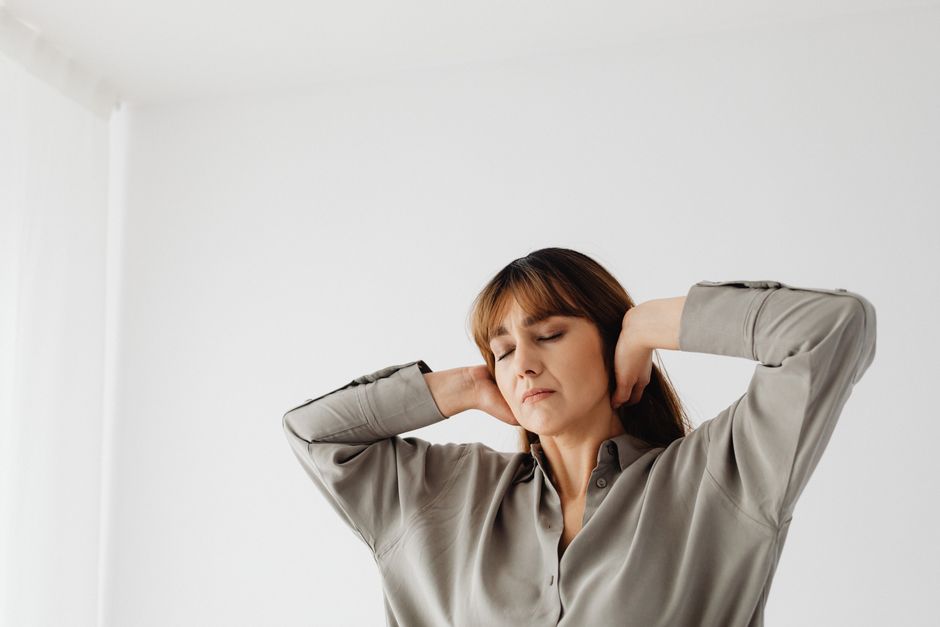
Stress is a normal part of life, but when it builds up, it can wear down your body and mind. The good news is that proven, effective ways to manage stress exist, and most of them are free and available right now. Regular physical activity, consistent sleep, and structured breathing techniques are among the most evidence-backed methods for lowering stress hormones and calming your nervous system. This guide breaks down what actually works according to research, separating solid science from popular myths.
What Can Help With Stress Proven Ways To Cope
Exercise is one of the most powerful and best-studied stress relievers available. Physical activity lowers stress hormones like cortisol and adrenaline while triggering the release of endorphins, your body’s natural mood elevators. You do not need intense workouts to get the benefit. A brisk 30-minute walk, a bike ride, or a swim can noticeably reduce tension. The key is consistency — regular movement helps your body handle stress better over time, not just in the moment.
Sleep is equally critical. When you are sleep-deprived, your body produces more stress hormones, and your ability to regulate emotions drops. Adults generally need 7 to 9 hours of sleep per night. If stress keeps you awake, a consistent wind-down routine — dim lights, no screens an hour before bed, and a cool, quiet room — can make a real difference.
Breathing exercises deserve special mention because they work quickly and can be done anywhere. Slow, deep breathing activates the parasympathetic nervous system, which counters the “fight or flight” response. A simple method: inhale through your nose for 4 counts, hold for 4 counts, exhale through your mouth for 6 counts. Repeat for a few minutes. This is not a gimmick — it has measurable effects on heart rate and blood pressure.
Why Does Exercise Calm Your Nervous System?
Exercise works on stress at a biological level. When you move your body, your brain increases production of GABA, a neurotransmitter that inhibits overactive neural circuits. This is the same chemical targeted by some anti-anxiety medications, which helps explain why a workout can feel like a mental reset.
Physical activity also improves “stress resilience.” This means your body becomes better at returning to a calm baseline after a stressful event. Studies consistently show that people who exercise regularly have lower resting heart rates and blood pressure. They also report fewer daily stress symptoms compared to sedentary individuals.
Importantly, you do not need to be an athlete. Research indicates that moderate-intensity exercise — where you can talk but not sing — provides the most reliable stress reduction. Even 10-minute bursts of activity can help, though longer sessions tend to produce more lasting effects.
What Are the Best Breathing Techniques for Immediate Relief?
Breathing techniques are among the fastest ways to reduce stress in the moment. They work by physically stimulating the vagus nerve, which signals your brain to lower heart rate and blood pressure. The effects can begin within minutes.
Three techniques have solid research support:
- Diaphragmatic breathing: Place one hand on your chest and one on your belly. Breathe in deeply so your belly rises, not your chest. Exhale slowly. This engages the full capacity of your lungs and maximizes vagus nerve stimulation.
- Box breathing: Inhale for 4 counts, hold for 4 counts, exhale for 4 counts, hold for 4 counts. Repeat. This method is used by military personnel and first responders because it works under pressure.
- Extended exhale: Make your exhale longer than your inhale. For example, inhale for 4 counts and exhale for 6 or 8 counts. A longer exhale directly activates the relaxation response.
These techniques are not just placebo effects. Controlled studies show that regular practice of slow breathing reduces cortisol levels and improves heart rate variability, a marker of how well your body adapts to stress.





How Does Sleep Quality Affect Stress Levels?
Sleep and stress have a two-way relationship. Stress makes it harder to sleep, and poor sleep makes you more vulnerable to stress. This creates a cycle that can be hard to break without deliberate effort.
During deep sleep, your body clears out metabolic waste from the brain and consolidates emotional memories. When you shortchange this process, your amygdala — the brain’s threat-detection center — becomes hyperactive. You perceive more situations as threatening, and your stress response triggers more easily.
Improving sleep quality is one of the most effective long-term stress management strategies. Practical steps include keeping a consistent wake time even on weekends, avoiding caffeine after mid-afternoon, and limiting alcohol before bed. Alcohol might help you fall asleep, but it fragments sleep later in the night and reduces the restorative stages your brain needs.
Can Social Connection Really Reduce Stress?
Yes. Humans are social animals, and isolation is a known stress amplifier. Research consistently shows that people with strong social ties have lower cortisol levels and better cardiovascular health. The effect is not just psychological — social interaction triggers the release of oxytocin, which counteracts stress hormones.
This does not mean you need a large friend group. One or two trusted people you can talk to openly make a measurable difference. Even brief positive interactions with acquaintances — a chat with a neighbor, a friendly exchange with a barista — can lift mood and reduce stress perception.
Physical touch matters too. A hug, holding hands, or even petting a dog can lower blood pressure and reduce cortisol. If you live alone, consider adopting a pet or scheduling regular time with friends and family. Video calls help, but in-person contact produces stronger physiological effects.
What Role Does Nutrition Play in Stress Management?
Diet affects stress in two ways: through blood sugar stability and through nutrient availability for neurotransmitter production. When your blood sugar spikes and crashes, your body releases stress hormones to compensate. This can leave you feeling anxious and irritable even when nothing stressful is happening.
Eating regular meals with protein, healthy fats, and fiber helps keep blood sugar steady. Highly processed foods and sugary snacks tend to worsen stress symptoms because they cause rapid glucose swings. This does not mean you must eliminate treats — it means the overall pattern matters.
Some research suggests that certain nutrients support stress resilience. Magnesium, found in leafy greens, nuts, and whole grains, plays a role in regulating the nervous system. B vitamins are involved in producing serotonin and dopamine. Omega-3 fatty acids from fish may help reduce anxiety symptoms. The evidence for individual supplements is mixed, but a balanced diet that includes these nutrients is well-supported.
Is Mindfulness or Meditation Backed by Science?
Mindfulness meditation has more scientific support than almost any other stress management technique. Hundreds of studies have examined its effects, and the evidence consistently shows that regular practice reduces perceived stress, anxiety, and depressive symptoms.
The mechanism is becoming clearer. Meditation appears to strengthen the prefrontal cortex, the part of the brain responsible for executive function and emotional regulation. It also reduces activity in the amygdala, making you less reactive to stressors. These are structural changes that develop with practice, not instant fixes.
You do not need to meditate for hours. Research indicates that 10 to 20 minutes per day produces measurable benefits within 8 weeks. If sitting still feels difficult, guided meditations or apps can help you start. The important thing is consistency — a daily short practice beats an occasional long one.
When Should You Seek Professional Help for Stress?
Stress becomes a problem when it interferes with daily functioning. If you have trouble sleeping most nights, feel irritable or overwhelmed regularly, or have stopped enjoying activities you used to like, it may be time to talk to a professional. Stress that persists for weeks or months can develop into anxiety disorders or depression.
Primary care doctors can screen for stress-related conditions and offer initial guidance. Cognitive behavioral therapy (CBT) has strong evidence for helping people manage stress and anxiety. Some people benefit from medication, especially when stress symptoms interfere with sleep or daily function. These are personal decisions best made with a qualified healthcare provider.
If stress is accompanied by chest pain, shortness of breath, or thoughts of self-harm, seek medical attention immediately. These can be signs of a more serious condition that requires urgent care.
Frequently Asked Questions
What is the fastest way to reduce stress in the moment?
Slow breathing with a longer exhale is the fastest evidence-based method. Inhale for 4 counts, exhale for 6 counts, and repeat for 2 to 3 minutes to activate your relaxation response.
How much exercise do I need to manage stress?
Moderate exercise for 30 minutes, 5 days per week is a solid target for stress reduction. Even 10-minute sessions help, but longer and more consistent activity produces stronger effects.
Can stress make you physically sick?
Yes. Chronic stress raises blood pressure, weakens immune function, and increases inflammation. These effects contribute to headaches, digestive problems, and higher risk of heart disease over time.
Do stress supplements actually work?
Some supplements like magnesium and omega-3s show modest benefits in studies, but the evidence is not strong enough to recommend them as primary treatments. A balanced diet and proven techniques like exercise and sleep are more reliable.
