
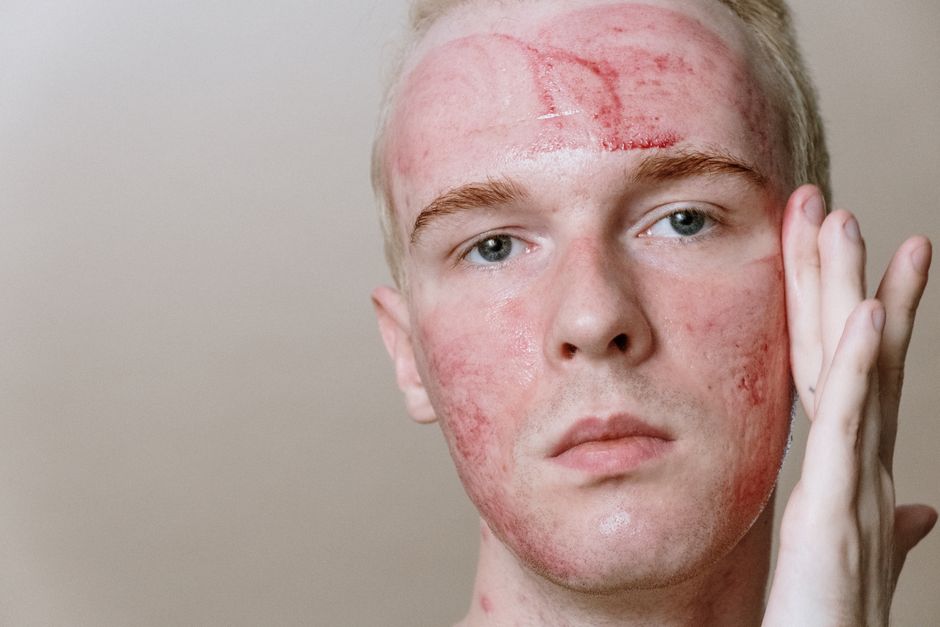
Rosacea is a chronic inflammatory skin condition that mainly affects the face. It causes flushing, persistent redness, visible blood vessels, and sometimes acne-like bumps. The exact cause is not fully understood, but research points to a mix of genetics, immune system activity, skin barrier problems, and environmental triggers. Gut health and lifestyle factors appear to play a role in how severe and frequent flare-ups become, though the evidence for some of these links is stronger than for others.
What Can Cause Rosacea Skin Gut And Lifestyle Factors?
No single cause of rosacea has been identified. What researchers have found is a group of contributing factors that tend to overlap in people who develop the condition. These include a hyperreactive immune response in the skin, abnormalities in blood vessel function, a compromised skin barrier, and an overgrowth of certain microorganisms on the skin surface.
The gut connection is real but often oversimplified online. Some studies have found that people with rosacea are more likely to have certain gastrointestinal conditions, including inflammatory bowel disease and small intestinal bacterial overgrowth. Whether these conditions cause rosacea, share a common underlying mechanism, or simply appear together more often than chance would predict is still being investigated. The relationship is not yet fully mapped.
Lifestyle factors do not cause rosacea in the way a virus causes an infection. Instead, they act as triggers that provoke flushing and inflammation in skin that is already predisposed to reacting. Sun exposure, heat, spicy food, alcohol, and emotional stress are among the most commonly reported triggers in patient surveys. These triggers vary considerably from person to person.
How Does the Immune System Drive Rosacea?
The innate immune system — the body’s first-line defense — appears to be overactive in rosacea-prone skin. This is one of the more well-established findings in rosacea research.
In people with rosacea, certain receptors on skin cells respond aggressively to triggers that would not bother most people. This response releases inflammatory molecules, including cathelicidins, which are antimicrobial peptides. In rosacea, these peptides are present in abnormal forms and at higher levels than in unaffected skin. They promote inflammation and dilation of blood vessels, which shows up as redness and flushing.
This helps explain why rosacea is not simply a cosmetic issue. It is an inflammatory condition with measurable biological activity. It also explains why treatments that target inflammation — rather than just surface redness — tend to be more effective.
The immune response also interacts with the skin’s blood vessels. Rosacea-prone skin has blood vessels that dilate more easily and stay dilated longer. Over time, this can lead to persistent redness and visible vessels that do not fade.
What Is the Gut-Skin Connection in Rosacea?
The gut-skin axis is a real area of research, but it is also one of the most hyped topics in wellness media. Here is what the evidence actually supports.
Several studies have found higher rates of gastrointestinal disorders in people with rosacea compared to the general population. Small intestinal bacterial overgrowth, or SIBO, has been studied most often. Some research has found that treating SIBO in rosacea patients led to improvement in skin symptoms, though not all studies agree and sample sizes have generally been small.
Inflammatory bowel disease, including Crohn’s disease and ulcerative colitis, has also been associated with rosacea in some epidemiological studies. This does not mean everyone with rosacea has a gut problem. It means the association appears more often than would be expected by chance alone.
The proposed mechanism involves systemic inflammation. The gut lining contains a large portion of the body’s immune tissue. When that lining is compromised or when the gut microbiome is out of balance, inflammatory signals can circulate throughout the body and potentially worsen inflammatory conditions in the skin. This is a plausible mechanism, but it has not been definitively proven as a cause of rosacea.
What this means in practice: if you have persistent digestive symptoms alongside your rosacea, it may be worth discussing with a doctor. Treating a diagnosed gut condition may or may not improve skin symptoms — the evidence is mixed — but it is worth addressing for its own sake.




Which Lifestyle Triggers Are Most Commonly Reported?
Triggers are not the same as causes. They provoke symptoms in skin that is already predisposed to rosacea. The most frequently reported triggers in patient surveys include:
- Sun exposure — ultraviolet light is the most commonly cited trigger and also a major factor in long-term skin damage
- Heat — hot drinks, hot baths, saunas, and warm weather can all provoke flushing
- Spicy foods — capsaicin and other compounds can trigger flushing in some people
- Alcohol — particularly red wine, though the reason is not fully understood
- Emotional stress — stress does not cause rosacea but can worsen flushing and inflammation
- Certain skincare products — fragrances, acids, and abrasive ingredients can irritate compromised skin
- Exercise — intense exercise raises body temperature and can trigger flushing
Not everyone reacts to the same triggers. Tracking your own patterns is more useful than avoiding everything on a general list. Many people find that a few specific triggers matter and the rest do not.
It is worth noting that alcohol avoidance is often recommended for rosacea patients, and some evidence supports this. But the relationship between alcohol and rosacea severity is not as straightforward as it is sometimes presented. Some studies show an association; others do not. The evidence is stronger for sun exposure and heat than for alcohol.
Does Diet Affect Rosacea?
Diet is one of the most searched topics in rosacea, and also one of the least settled. No specific diet has been proven to treat or prevent rosacea in large clinical trials.
Some small studies have looked at whether certain foods worsen symptoms. Spicy food, hot beverages, and alcohol are the most commonly reported dietary triggers. These are trigger-based reactions, not dietary causes.
The gut microbiome angle has led some researchers to investigate whether probiotics or dietary changes that support gut bacteria could help. So far, the evidence is preliminary. Some small studies suggest possible benefit, but no large controlled trials have confirmed that probiotics or specific diets improve rosacea.
If you suspect a food trigger, the most reliable approach is to track your symptoms alongside what you eat and drink. Eliminating entire food groups without evidence can lead to nutritional gaps. If you want to try an elimination approach, it is worth doing with guidance from a doctor or dietitian.
There is no evidence that a specific “rosacea diet” works for everyone. Claims that cutting out gluten, dairy, or nightshades will cure rosacea are not supported by clinical evidence.
Are There Other Medical Conditions Linked to Rosacea?
Rosacea has been associated with several other health conditions in observational studies. These associations do not prove that one causes the other. They may reflect shared risk factors, common inflammatory pathways, or other factors.
Conditions that have shown associations with rosacea in some studies include:
- Cardiovascular disease and hypertension
- Gastrointestinal disorders, including inflammatory bowel disease and celiac disease
- Neurological conditions, including Parkinson’s disease and migraine
- Certain autoimmune conditions
- Metabolic conditions, including diabetes and obesity
These associations have been found in large population studies, but the reasons behind them are not clear. Some researchers suggest that systemic inflammation may link rosacea to other inflammatory conditions. Others point to shared genetic or environmental factors.
What matters for patients is not to assume that a rosacea diagnosis means you will develop any of these conditions. It does mean that regular medical care and attention to cardiovascular and metabolic health is sensible, as it is for everyone.
What Role Does Genetics Play?
Rosacea tends to run in families. People with a parent or sibling who has rosacea are more likely to develop it themselves. This suggests a genetic component, though the specific genes involved have not been fully identified.
Research has pointed to variations in genes related to immune function and inflammation. One area of study involves the HLA gene family, which plays a role in immune recognition. Another involves genes that regulate the cathelicidin pathway.
Genetics likely set the stage — they make someone more prone to the inflammatory response that characterizes rosacea. But genetics alone do not determine whether someone develops it or how severe it becomes. Environmental triggers and lifestyle factors influence whether and how the condition manifests.
This is why rosacea can appear at different ages and with different patterns even within the same family. The genetic predisposition is there, but the expression varies.
What Does This Mean for Managing Rosacea?
Understanding the contributing factors helps clarify what can and cannot be controlled.
You cannot change your genetics or your immune system’s basic reactivity. You can reduce exposure to known triggers, protect your skin barrier, and address any diagnosed gut conditions with medical guidance. You can also work with a dermatologist on treatments that target inflammation and blood vessel reactivity.
Treatment options that have evidence support include topical metronidazole, azelaic acid, ivermectin, and brimonidine, as well as oral antibiotics and isotretinoin in some cases. Laser and light therapies can reduce visible vessels and persistent redness. These are medical decisions best made with a doctor.
Lifestyle changes are not a substitute for medical treatment. They are a supporting strategy. The most reliable lifestyle step, based on current evidence, is consistent sun protection. Sun exposure is the most commonly reported trigger and also contributes to long-term skin damage.
When it comes to gut health, the honest position is that the connection is real but not fully understood. If you have digestive symptoms, get them evaluated. If you do not, there is no strong evidence that changing your diet or taking probiotics will improve your rosacea. It might, but it might not. The research is not there yet.
Frequently Asked Questions
Can poor gut health cause rosacea?
Gut health may contribute to rosacea in some people, but it is not considered a direct cause. Studies show higher rates of gastrointestinal conditions in people with rosacea, but the relationship is not fully understood and likely involves shared inflammatory pathways.
What foods should I avoid if I have rosacea?
There is no single list of foods that applies to everyone. Spicy foods, hot drinks, and alcohol are the most commonly reported triggers, but triggers vary by person. Tracking your own symptoms is more useful than avoiding foods based on general advice.
Does stress cause rosacea?
Stress does not cause rosacea, but it is a commonly reported trigger for flushing and flare-ups. Managing stress may help reduce symptom frequency in some people, though it is not a treatment for the condition itself.
Is rosacea an autoimmune disease?
Rosacea is not classified as an autoimmune disease. It involves an overactive innate immune response in the skin, but it does not involve the autoantibodies that characterize autoimmune conditions.
