
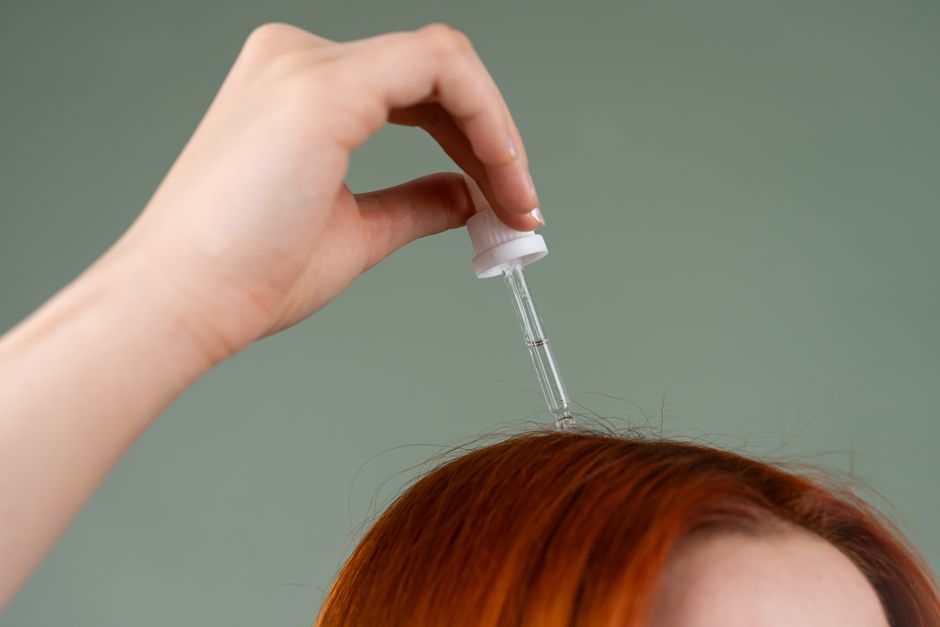
Hair loss has many causes, and stress hormones are only one part of the picture. The most common cause by far is androgenetic alopecia — inherited pattern hair loss driven by the hormone dihydrotestosterone (DHT). Chronic stress can contribute through a different mechanism, mainly by pushing more hairs into the shedding phase. Most often, several factors overlap at once.
If you are losing hair and wondering whether stress hormones are to blame, the answer is: sometimes, but rarely alone. Genetics, thyroid function, iron status, medications, and age all influence hair loss. Teasing apart which factor is driving your hair loss matters, because the response is different for each.
What Can Cause Hair Loss Stress Hormones More?
Androgens — testosterone and its more potent form, DHT — drive the most common type of hair loss. In people genetically predisposed, hair follicles on the scalp become sensitive to DHT. Over time, DHT causes these follicles to shrink, producing thinner and shorter hairs until the follicle stops producing visible hair altogether.
This process is called androgenetic alopecia. It affects men and women, though it usually looks different in each. Men typically see a receding hairline and thinning at the crown. Women usually see diffuse thinning along the part line with the frontal hairline preserved.
The key point: this is not caused by having “too much” testosterone in most cases. It is caused by follicle sensitivity to normal androgen levels. That sensitivity is inherited. A man with completely normal testosterone can still lose his hair to androgenetic alopecia.
Stress hormones work differently. Cortisol does not directly shrink hair follicles the way DHT does. Instead, chronic stress appears to influence the hair cycle indirectly — through effects on the immune system, nutrient status, sleep, and the timing of the hair growth cycle.
How Does Stress Actually Affect Hair?
Stress affects hair mainly by disrupting the hair growth cycle. Each hair follicle cycles through growth (anagen), transition (catagen), and rest and shedding (telogen). Under normal conditions, most hairs are in the growth phase at any given time.
Physical or emotional stress can push a larger-than-normal share of follicles into the resting phase early. A few months later, those hairs shed together. This condition is called telogen effluvium. It produces diffuse shedding — more hair in the shower, on the pillow, or in a brush — rather than bald patches.
The timing catches people off guard. The stressful event often happens two to three months before the shedding starts. By the time hair is falling out, the trigger may already be resolved. This delay is well documented in dermatology and is one reason people struggle to connect the cause to the effect.
Telogen effluvium from stress is usually temporary. Hair typically regrows once the trigger resolves, though full recovery can take several months to a year. Some cases become chronic, especially when the stress is ongoing.
There is a second, less common stress-related hair loss called trichotillomania — an urge to pull out one’s own hair. This is a recognized psychological condition, not a hormonal one, and it requires different care.
Which Hormones Besides Stress Hormones Affect Hair Loss?
Several hormones influence hair growth, and imbalances in any of them can cause shedding. Thyroid hormones are a common example. Both an underactive and an overactive thyroid can cause diffuse hair loss, and this is one of the first things clinicians check when someone presents with unexplained shedding.
In women, androgen excess can cause hair thinning on the scalp along with other signs such as acne or unwanted facial hair. This pattern can occur with conditions like polycystic ovary syndrome (PCOS), though not everyone with PCOS loses hair and not everyone with hair loss has PCOS.
Estrogen shifts matter too. Many women notice shedding after childbirth, after stopping hormonal birth control, or around menopause. These changes are tied to shifts in estrogen and androgen balance rather than stress hormones specifically.
In men, the dominant hormonal driver of pattern hair loss remains DHT. Age-related changes in testosterone levels do not reliably predict who will lose hair — genetics does most of the work.





What Else Can Cause Hair Loss Besides Hormones and Stress?
Hormones and stress are only part of the list. A thorough look at hair loss has to consider other common causes, because treating the wrong one wastes time.
- Nutritional deficiencies. Low iron stores, low vitamin D, and inadequate protein intake can all contribute to shedding. Iron deficiency is especially common in women who menstruate.
- Medications. Some drugs used for blood pressure, depression, acne, and other conditions can trigger shedding in some people. This is a known side effect for certain medications, though not all.
- Illness and infection. High fevers, major surgery, significant weight loss, and severe infections can all push hair into the shedding phase.
- Autoimmune conditions. Alopecia areata is an autoimmune form of hair loss that produces smooth, round patches. It is not caused by stress hormones or DHT.
- Scalp conditions. Fungal infections, scarring conditions, and severe dandruff can all damage hair or follicles.
- Physical hair damage. Tight hairstyles, harsh chemical treatments, and heat damage can cause breakage that looks like hair loss but is not coming from the root.
This is why a proper evaluation matters. Two people with identical-looking thinning can have completely different causes and completely different responses to treatment.
How Can You Tell If Stress Hormones Are Causing Your Hair Loss?
There is no blood test that confirms stress as the cause of hair loss. The diagnosis is made by pattern and history. A clinician looks at the distribution of thinning, asks about recent stressors, and rules out other causes.
Clues that point toward stress-related shedding include diffuse thinning across the whole scalp rather than a receding hairline or crown baldness, shedding that started two to three months after a major stressful event or illness, and a positive pull test — where gently tugging a small group of hairs yields more than expected.
Clues that point away from stress include a clear family history of pattern baldness, a receding hairline, patchy loss, or scalp symptoms like itching, scaling, or pain. These suggest other causes that need different attention.
Blood tests can help rule out thyroid problems, iron deficiency, and other conditions. They cannot measure stress directly. If your hair loss is accompanied by fatigue, weight changes, or other symptoms, those are worth mentioning to a clinician.
What Helps Hair Loss From Stress and Hormones?
The response depends on the cause. For stress-related shedding, the most reliable approach is addressing the underlying stress where possible. Because telogen effluvium usually resolves on its own once the trigger passes, the main job is often patience and ruling out other causes.
For androgenetic alopecia, the picture is different. This type of hair loss is progressive and does not resolve on its own. Two treatments have the strongest evidence: minoxidil, a topical or oral medication, and finasteride, an oral prescription for men. Both are supported by substantial clinical research, though neither works for everyone and both require ongoing use to maintain results.
Minoxidil is available over the counter as a topical solution or foam. Finasteride is prescription-only and is not generally used in women of childbearing age because of risks during pregnancy. Other options exist — low-level laser therapy, certain other prescription medications, and hair transplantation — but the strength of evidence varies.
No supplement has strong clinical evidence for reversing hair loss. Some are marketed heavily, but the research does not support claims of regrowth. If you have a genuine deficiency, correcting it may help, but taking supplements without a deficiency is unlikely to do much.
This is general information, not a treatment plan. Hair loss treatment decisions should be made with a clinician who can assess your specific situation, especially if you are pregnant, breastfeeding, or taking other medications.
Frequently Asked Questions
Can stress alone cause permanent hair loss?
Stress-related shedding is usually temporary, and hair typically regrows once the trigger resolves. Permanent loss from stress alone is uncommon, though ongoing stress can make shedding chronic.
Does high cortisol cause hair loss?
Cortisol does not directly damage hair follicles, but chronic stress can disrupt the hair growth cycle and contribute to shedding. The effect is indirect and usually reversible.
How long after stress does hair loss start?
Shedding from stress typically begins two to three months after the triggering event. This delay is well documented and often makes the connection hard to spot.
Is hair loss from hormones different from stress hair loss?
Yes. Hormonal pattern hair loss usually follows a predictable pattern — receding hairline or crown thinning in men, part-line thinning in women — while stress shedding is diffuse across the scalp.
