
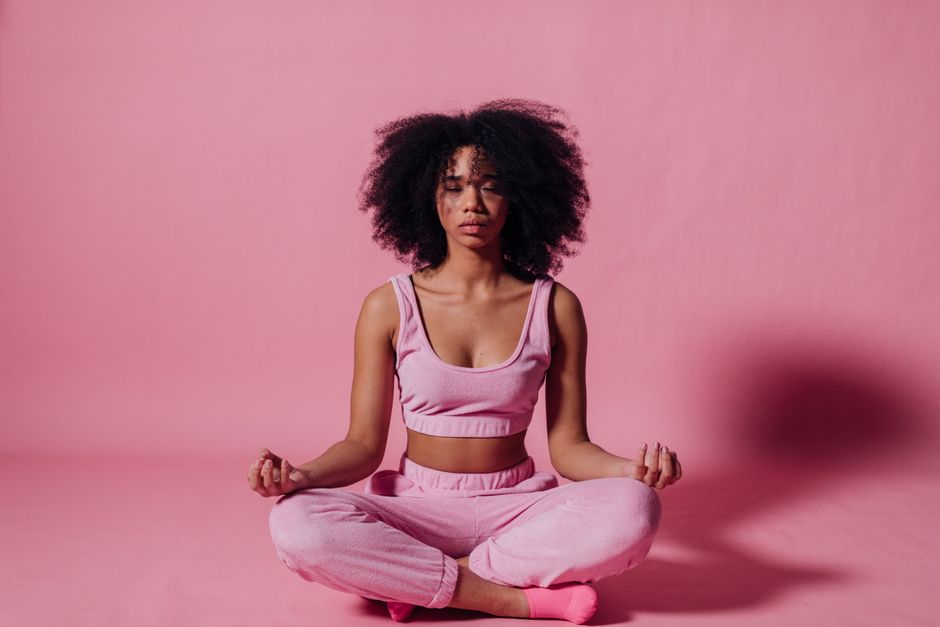
Anxiety is a normal human response, not a flaw. But when it becomes frequent or intense, the techniques with the strongest evidence behind them are slow breathing, gradual exposure to feared situations, cognitive behavioral strategies, regular physical activity, and mindfulness-based approaches. These methods work by changing how your body and brain respond to stress, not by making anxiety disappear.
The key word is actually. Many calming techniques feel good in the moment but do little for anxiety over time. Others seem uncomfortable but have solid research behind them. This article separates the two.
What Can Calm Anxiety Techniques That Actually Work?
The techniques with the best evidence fall into two groups: ones that calm your body in the moment, and ones that change how you respond to anxiety over weeks and months. You usually need both.
Fast-acting methods — slow breathing, muscle relaxation, grounding — lower physical arousal within minutes. They help you get through a spike. But they do not treat an anxiety disorder on their own.
Longer-term approaches — cognitive behavioral therapy, exposure, regular exercise, mindfulness practice — target the patterns that keep anxiety going. Research consistently shows these produce lasting change for many people. The strongest evidence is for cognitive behavioral therapy, particularly for anxiety disorders.
One clarification worth making: distraction is not the same as coping. Scrolling your phone or avoiding the situation can lower anxiety for a moment. Over time it often teaches your brain that the situation was dangerous, which makes anxiety worse. The techniques below are different because they work with the anxious response rather than around it.
Why Does Slow Breathing Calm Anxiety?
Slow breathing works because it directly affects the part of your nervous system that controls your heart rate and stress response. When you breathe slowly, especially with a longer exhale than inhale, you shift toward the parasympathetic branch of your nervous system — the “rest and digest” side.
This is well-established physiology. Your heart rate naturally speeds up slightly when you inhale and slows when you exhale. Slowing your breathing and lengthening the exhale amplifies that effect.
How slow? Research on breathing and heart rate variability generally points to a rate of about six breaths per minute as effective for increasing vagal tone, though individual responses vary. You do not need to count precisely. A simple approach: breathe in through your nose for a comfortable count, then out for slightly longer. Repeat for a minute or two.
What the evidence does not show is that breathing exercises cure anxiety disorders. Some studies suggest breathing training reduces anxiety symptoms, but results vary and the research quality is mixed. Think of it as a reliable tool for acute moments, not a standalone treatment.
Does Exercise Really Reduce Anxiety?
Yes. Physical activity has some of the most consistent evidence of any non-drug approach for reducing anxiety symptoms. Studies have found that both aerobic exercise and resistance training are associated with lower anxiety, and the effect appears in both healthy people and those with anxiety disorders.
The mechanism is partly physiological — exercise reduces muscle tension, changes stress hormone activity, and increases certain neurotransmitters. It also gives your body a chance to complete a stress response that anxiety often leaves unfinished.
General guidance from public health bodies recommends at least 150 minutes of moderate activity per week for adults, which is a reasonable baseline. But the research does not support a precise “dose” for anxiety specifically, so any regular movement is a reasonable starting point. A brisk walk counts.
One caveat: exercise is not a substitute for treatment if anxiety is significantly affecting your life. It works best alongside other approaches, not instead of professional care.
Does Exposure to Feared Situations Help or Hurt?
Gradual exposure to feared situations is one of the most effective techniques for anxiety, and it is also one of the most misunderstood. It works by teaching your brain, through direct experience, that the feared outcome does not happen — or that you can cope when it does.
Avoidance is the natural response to anxiety, and it is also what keeps anxiety alive. Each time you avoid something, you get short-term relief and long-term reinforcement of the fear. Exposure breaks that cycle.
Done well, exposure is gradual and repeated. You start with a situation that causes mild anxiety, stay with it until the anxiety drops, and then move to something slightly harder. This is a core component of cognitive behavioral therapy and is considered a first-line psychological treatment for many anxiety disorders.
Important: exposure is best done with guidance from a trained therapist, especially for significant anxiety or phobias. Doing it alone in a way that overwhelms you can backfire. The evidence supports structured, gradual exposure — not throwing yourself into your worst fear.
Do Mindfulness and Meditation Work for Anxiety?
Mindfulness-based approaches have moderate evidence for reducing anxiety. Some studies suggest mindfulness meditation can reduce anxiety symptoms, though the research is less consistent than for cognitive behavioral therapy.
Mindfulness works by changing your relationship to anxious thoughts. Instead of fighting a thought or believing it fully, you notice it and let it pass. Over time this reduces the tendency to get pulled into anxious spirals.
The evidence is mixed on how much it helps and for whom. It appears more helpful for some people than others, and it is generally not considered a first-line treatment for anxiety disorders on its own. It can be a useful addition to other approaches.
One practical note: meditation is not always calming at first. For some people, sitting quietly with their thoughts can initially increase anxiety. If that happens, guided practices or movement-based mindfulness may suit you better.
What About Cognitive Behavioral Therapy?
Cognitive behavioral therapy, or CBT, has the strongest evidence of any psychological treatment for anxiety disorders. Research consistently shows it reduces symptoms for many people, and it is widely recommended as a first-line treatment.
CBT works on two fronts. It helps you identify and challenge anxious thought patterns — the “what if” thinking that fuels anxiety. And it uses behavioral techniques like exposure to change how you respond to feared situations.
CBT is typically short-term, often delivered over a set number of sessions, and can be done individually, in groups, or increasingly through guided digital programs. The digital versions have some supporting evidence, though probably less than working with a trained therapist.
If anxiety is affecting your daily life, talking to a doctor or mental health professional about CBT is a reasonable step. It is well studied and widely available.
Which Techniques Help in the Moment vs. Over Time?
It helps to know which tools are for right now and which are for the long run. Using a long-term strategy during an acute panic moment rarely works, and relying only on quick fixes does not treat ongoing anxiety.
| Technique | Best for | Evidence strength |
|---|---|---|
| Slow breathing | Calming a spike in the moment | Good for immediate calming; mixed for long-term anxiety |
| Progressive muscle relaxation | Releasing physical tension | Some evidence for reducing anxiety symptoms |
| Exercise | Ongoing anxiety reduction | Consistent evidence |
| Exposure | Feared situations and avoidance | Strong evidence, especially within CBT |
| Mindfulness | Changing relationship to thoughts | Moderate and mixed evidence |
| CBT | Treating anxiety disorders | Strongest evidence |
Most people benefit from combining a quick tool for acute moments with a longer-term approach for the underlying pattern.
When Should You Seek Professional Help?
Consider talking to a doctor or mental health professional if anxiety is interfering with work, relationships, sleep, or daily activities — or if you find yourself avoiding more and more of life to manage it. These are signs that self-help techniques alone may not be enough.
Seek help promptly if anxiety comes with panic attacks, if you feel unable to leave your home, or if you have thoughts of harming yourself. In the US, you can call or text 988 to reach the Suicide and Crisis Lifeline at any time.
Anxiety disorders are common and treatable. The techniques in this article are a starting point, not a replacement for care when you need it. A professional can help you build an approach suited to your situation.
Frequently Asked Questions
What is the fastest way to calm anxiety?
Slow breathing with a longer exhale than inhale can calm your body within a minute or two. It works by shifting your nervous system toward the parasympathetic “rest and digest” response.
Does meditation really help anxiety?
Some studies suggest mindfulness meditation reduces anxiety symptoms, but the evidence is mixed and less consistent than for cognitive behavioral therapy. It can be a useful addition to other approaches.
Can exercise replace therapy for anxiety?
No. Exercise has consistent evidence for reducing anxiety symptoms, but it is not considered a replacement for therapy or professional care when anxiety significantly affects your life.
How do I stop avoiding things that make me anxious?
Gradual, repeated exposure to feared situations is the most effective approach, and it works best with guidance from a trained therapist. Avoidance gives short-term relief but keeps anxiety going over time.
