
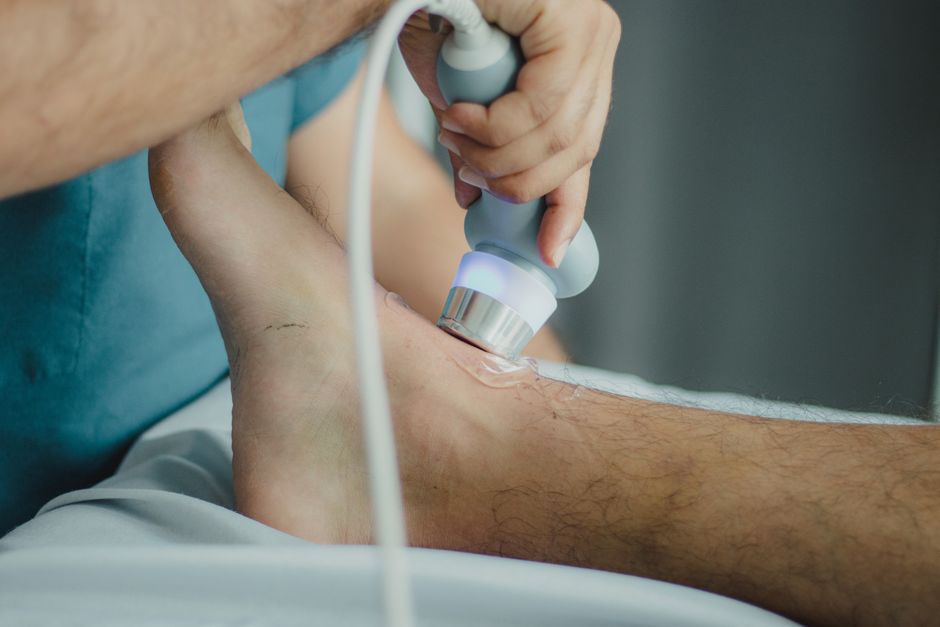
Neuropathy in the feet cannot usually be cured, but much can be done to ease pain, protect your feet, and slow the damage behind it. Treatment works on two fronts: managing the underlying cause, such as diabetes, and reducing the symptoms themselves. Physical therapy, well-fitted footwear, and daily foot checks are basic habits that prevent small problems from turning into serious ones.
Peripheral neuropathy is not one disease. It is a pattern of nerve damage with many possible causes, and what helps depends heavily on which one applies to you. That is why a careful medical workup matters more than any single remedy.
What causes neuropathy in the feet?
Diabetes is the most common cause in the United States, but it is far from the only one. In diabetes, years of elevated blood sugar damage the small blood vessels that feed nerves and alter nerve chemistry directly. The result is usually a “stocking” pattern of numbness or burning that starts in the toes and moves upward.
Other established causes include:
- Heavy alcohol use, which damages nerves over time and often coexists with poor nutrition
- Vitamin B12 deficiency, which can cause a very similar neuropathy and is treatable
- Certain medications, including some older chemotherapy drugs
- Kidney disease, thyroid disease, and some autoimmune conditions
- Inherited forms of neuropathy that run in families
- Nerve compression, such as a pinched nerve in the lower back or a trapped nerve near the ankle
Many cases are labeled “idiopathic,” meaning no cause is found. That label is not a dead end. It usually means the standard tests were done and came back normal. Some of those cases turn out to have a cause that emerges later, which is one reason follow-up matters.
What symptoms should you watch for?
Early neuropathy often announces itself as numbness in the toes, a feeling of walking on socks, or a burning that gets worse at night. Because the nerves that carry sensation are usually hit first, many people do not feel pain at all. They feel less.
That loss of feeling is the dangerous part. Blisters, cuts, and hot-water burns can go unnoticed and become infected. This is the mechanism behind most diabetic foot ulcers. The nerve damage removes the warning signal that would normally make you pull your foot away or notice a wound.
Some people get the opposite problem: pain that is out of proportion to any injury. This is called neuropathic pain, and it can be sharp, electric, or deeply aching. Both patterns can occur in the same person.
What can be done for neuropathy in the feet?
Treatment has two tracks. The first is treating the cause if one is found. The second is managing symptoms and protecting the feet. Both matter, and neither replaces the other.
Treating the underlying cause
When diabetes is the cause, improving blood sugar control is the single most important step. Research consistently shows that tighter glucose control reduces the risk of neuropathy developing and can slow its progression. It rarely reverses damage that is already there, and anyone who promises reversal should be treated with skepticism.
When B12 deficiency is found, replacement therapy can improve symptoms, sometimes substantially. When alcohol is a factor, stopping drinking and correcting nutritional deficiencies gives nerves the best chance to stabilize. These are cases where the cause is genuinely fixable, which is why the workup matters.
Managing the pain
Several medications are used for neuropathic pain. The evidence is strongest for certain antidepressants (including duloxetine and amitriptyline) and for gabapentinoids such as gabapentin and pregabalin. These drugs do not repair nerves. They change how the nervous system processes pain signals. Response varies widely, and side effects are common, especially in older adults.
Topical treatments, including lidocaine patches and capsaicin cream, are used for localized pain. Evidence for capsaicin is modest but real. Some clinicians recommend it; others find it poorly tolerated because of the burning sensation it causes.
Opioids are generally not recommended for long-term neuropathic pain because of tolerance, dependence, and limited benefit over time. This is a point where clinical guidance has become firmer in recent years.
Non-drug approaches
Physical therapy can improve balance and reduce fall risk, which matters a great deal when sensation in the feet is reduced. Some studies suggest that exercise helps with neuropathic pain, though the effect is generally modest. Transcutaneous electrical nerve stimulation (TENS) is used by some clinicians; the evidence is mixed and it does not work for everyone.
Protecting the feet
This is the part people underestimate. Daily foot checks, well-fitted shoes with a wide toe box, and avoiding walking barefoot are simple habits that prevent the complications that actually cause harm. A podiatrist can identify pressure points and recommend protective footwear or orthotics.
Never use heating pads, hot water bottles, or soak feet in hot water if sensation is reduced. Burns happen because the foot cannot feel the heat. Test bathwater with your elbow or a thermometer instead.
Can neuropathy in the feet be reversed?
In most cases, no. Once nerve fibers are damaged, they generally do not regenerate fully, and the damage from long-standing diabetes or alcohol use is usually permanent. This is the honest position, and it is better to hear it plainly than to spend money on products that promise otherwise.
There are exceptions. Neuropathy caused by B12 deficiency, certain medication side effects, or compression can improve once the cause is removed. Recovery is often partial rather than complete, and it can take months. Some people with early diabetic neuropathy see modest improvement with very good glucose control, but this is not guaranteed.
No supplement, cream, or device has been shown in large human trials to reverse nerve damage. Alpha-lipoic acid has some supporting evidence for symptom relief in diabetic neuropathy, but results across studies vary and it is not a cure. Be cautious with marketing claims that use words like “regenerate” or “repair.”
What role does diet and lifestyle play?
Lifestyle does not cure neuropathy, but it affects the conditions that drive it. Blood sugar control is the clearest example. For people with diabetes, keeping glucose in the target range your clinician sets is more valuable than any over-the-counter product.
Alcohol reduction or elimination is important when alcohol is a contributing factor. Nutritional deficiencies, particularly B12, should be tested rather than assumed. This matters especially for people who take metformin long-term or follow a vegan diet, since both raise the risk of B12 deficiency.
Regular activity helps with circulation, balance, and mood. It does not reliably reduce nerve pain, and some people find exercise aggravates symptoms. Start gently and adjust based on how your feet respond.
When should you see a doctor?
See a doctor promptly if you have new numbness, burning, or weakness in your feet, especially if you have diabetes. Early evaluation gives the best chance of finding a treatable cause. Do not wait for symptoms to become severe.
Seek urgent care for any foot wound, redness, swelling, or sign of infection, particularly if you have reduced sensation. Because you may not feel a wound developing, visual checks matter more than how it feels.
Also seek care if you notice sudden weakness, foot drop, or problems with balance. These can signal nerve compression or another condition that needs attention.
Frequently Asked Questions
Can neuropathy in the feet be cured?
In most cases, no. Some causes, such as vitamin B12 deficiency or certain medication side effects, can improve once the cause is corrected, but damage from long-standing diabetes or alcohol use is usually permanent.
What is the best treatment for neuropathy in the feet?
There is no single best treatment. Managing the underlying cause, especially blood sugar in diabetes, plus medication for pain and daily foot protection are the standard approaches.
Does walking help neuropathy in the feet?
Walking can help with circulation and balance, but it does not reliably reduce nerve pain. Wear well-fitted shoes and check your feet afterward, especially if sensation is reduced.
What vitamins help neuropathy in the feet?
Only vitamin B12 has clear evidence when a deficiency is confirmed. Other supplements, including alpha-lipoic acid, have mixed evidence and should not replace medical treatment.
