
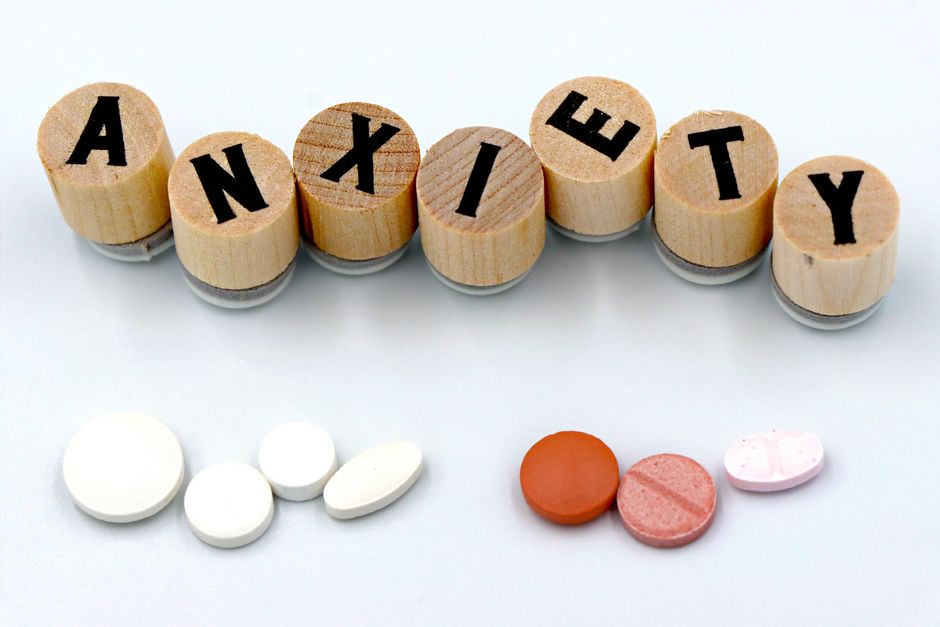
Anxiety is more than a feeling. It is a whole-body response, and when it runs often or long, it leaves marks on nearly every system you have. The brain shifts into threat-detection mode, stress hormones stay elevated, and the body pays for it — in sleep, digestion, heart function, immunity, and mood. Some of these effects are short-lived and reverse when the anxiety settles. Others build slowly over months and years.
Understanding what anxiety can lead to is not about scaring anyone. It is about recognizing the chain early, so it can be interrupted. Most of the effects described here are manageable, and many improve once anxiety is properly addressed. If any of this sounds familiar, it is worth talking to a doctor or mental health professional.
How Does Anxiety Affect the Body Physically?
Anxiety triggers the body’s stress response — the same system that fires when you face a real physical threat. The brain signals the adrenal glands to release adrenaline and cortisol. Heart rate climbs. Breathing quickens. Blood gets routed toward large muscles and away from the skin and gut. This is useful for a sprint away from danger. It is not designed to stay switched on for weeks.
When the response stays active, the physical toll shows up in predictable places:
- Heart and circulation: A faster, stronger heartbeat, sometimes with palpitations or a sense of fluttering in the chest. Blood pressure can rise during anxious periods.
- Breathing: Shallow, rapid breathing — which can lead to dizziness, tingling in the hands, and a feeling of breathlessness.
- Digestion: Nausea, stomach cramps, changes in appetite, diarrhea or constipation. The gut is highly sensitive to stress signals.
- Muscles: Chronic tension in the neck, shoulders, and jaw, often leading to headaches.
- Sleep: Trouble falling asleep, waking in the night, and feeling unrefreshed even after a full night.
- Energy: Persistent fatigue that does not fully resolve with rest.
These are real physical symptoms, not imagined ones. Many people first see a doctor for chest tightness or stomach trouble and only later connect the dots to anxiety.
What Can Anxiety Lead To Effects On Body And Mind Over Time?
Short-term anxiety is uncomfortable. Long-term anxiety is where the more serious consequences emerge. The effects tend to accumulate gradually, which is part of why they are easy to dismiss early on.
On the body
Persistently elevated stress hormones are linked with several health concerns. Research has consistently found associations between chronic anxiety and higher risk of cardiovascular problems, though the relationship is complex and involves many factors. Anxiety also commonly occurs alongside digestive conditions such as irritable bowel syndrome — the connection runs in both directions, with stress worsening gut symptoms and gut discomfort feeding anxiety.
Chronic stress can affect immune function, and some studies suggest people with ongoing anxiety may be more vulnerable to infections and slower to recover. Sleep disruption compounds all of this. Poor sleep raises stress reactivity, which in turn makes sleep harder — a cycle that is difficult to break without deliberate effort.
On the mind
Anxiety narrows attention. The brain becomes tuned to spot threats and less able to focus on neutral or positive information. Concentration suffers. Memory can feel unreliable. Decision-making becomes harder because every choice feels loaded with risk.
Anxiety also tends to feed avoidance. Avoiding the situations that trigger fear brings short-term relief but strengthens the fear over time. Left unaddressed, this can shrink a person’s world — fewer social contacts, less travel, fewer risks taken at work or in relationships.
Can Anxiety Lead to Depression?
Anxiety and depression frequently occur together. This is one of the most well-documented patterns in mental health. It does not mean one always causes the other. The relationship is overlapping and bidirectional — shared risk factors, shared brain pathways, and shared life stresses often drive both.
What clinicians do observe is that untreated anxiety can wear a person down. The constant vigilance is exhausting. When hope fades and energy runs out, depressive symptoms can take hold. Some research indicates that people with anxiety disorders have a higher likelihood of later developing depression, though not everyone does.
This matters for treatment. When both are present, addressing only one often leaves the other untreated. A clinician can assess for both together and tailor support accordingly.


How Does Anxiety Affect Sleep and Daily Functioning?
Sleep is usually the first casualty. The mind that scans for threats during the day does not switch off at night. Racing thoughts, muscle tension, and a heightened startle response make it hard to fall asleep and stay asleep.
The daytime consequences follow directly. Poor sleep worsens mood, sharpens anxiety, and reduces the ability to concentrate. Work performance can slip. Irritability rises. Small tasks feel heavier.
Daily functioning is affected in quieter ways too. People with ongoing anxiety often describe feeling “on edge” all the time — not in crisis, but never fully at ease. That constant low-grade alertness drains energy that would otherwise go toward relationships, hobbies, and rest.
What Are the Long-Term Risks of Untreated Anxiety?
Untreated anxiety does not usually cause sudden harm. Its risks build slowly, and they are not inevitable. Many people with anxiety disorders live full, healthy lives — especially when the condition is recognized and treated.
That said, the evidence points to some patterns worth knowing:
- Higher likelihood of developing depression
- Increased risk of substance use as a way to self-manage symptoms
- Greater strain on the cardiovascular system over time
- Worsening sleep quality and chronic fatigue
- Reduced social connection and quality of life
These are associations, not certainties. They describe what tends to happen across large groups, not what will happen to any one person. The important point is that treating anxiety early may reduce these risks — though the research on exactly how much treatment lowers each risk is still developing.
What Helps Reduce the Effects of Anxiety?
Anxiety is treatable. That is the most important thing to know. The effects described above are not a fixed destination. Many improve once anxiety is addressed.
Established approaches include talk therapies such as cognitive behavioral therapy, which has strong evidence behind it for anxiety disorders, and medication when appropriate. Lifestyle factors matter too — regular physical activity, consistent sleep routines, limiting caffeine and alcohol, and building social support all have evidence supporting their role in managing anxiety symptoms.
What works best varies by person. Some people respond well to therapy alone. Others need a combination. A doctor or mental health professional can help sort this out based on the specific pattern of symptoms.
One clarification worth making: the goal is not to eliminate anxiety entirely. Anxiety is a normal human emotion with a useful function. The aim is to bring it back to a level where it no longer runs the show.
Frequently Asked Questions
Can anxiety cause physical symptoms like chest pain?
Yes. Anxiety commonly causes chest tightness, palpitations, and shortness of breath. Because chest pain can also signal a heart problem, new or severe chest pain should always be checked by a doctor.
Does anxiety damage the brain permanently?
No strong evidence suggests anxiety causes permanent brain damage. Some studies show changes in brain activity patterns with chronic stress, but these are not the same as lasting injury and often improve with treatment.
Can anxiety make you feel physically sick?
Yes. Anxiety can cause nausea, stomach cramps, headaches, and fatigue through the body’s stress response. These symptoms are real and often ease when the anxiety is treated.
When should I see a doctor about anxiety?
See a doctor when anxiety interferes with sleep, work, relationships, or daily life, or when physical symptoms are new or worrying. There is no need to wait until things feel unmanageable.
