
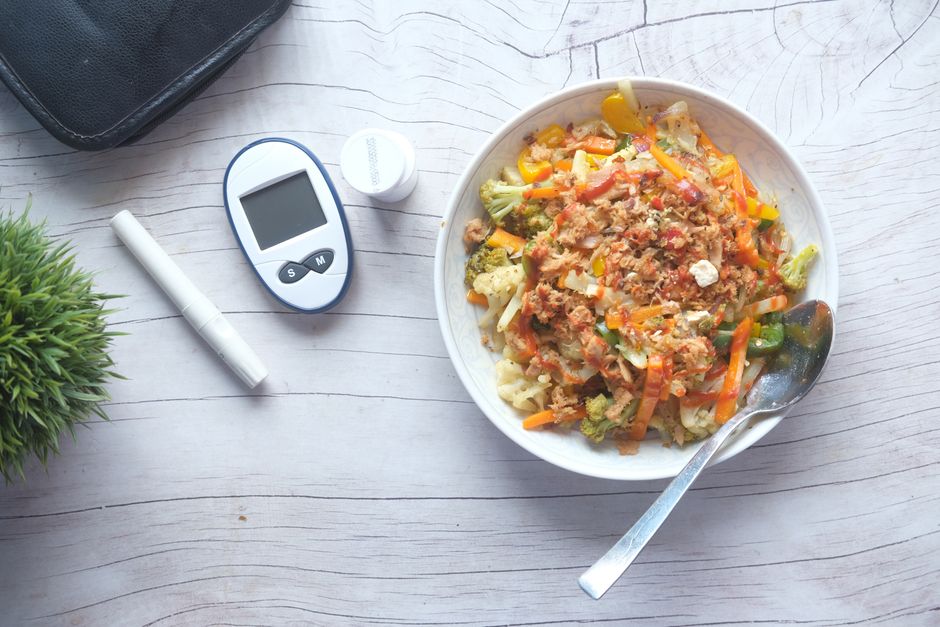
If you have diabetes, you can still eat at Olive Garden. The key is knowing which menu items work best for blood sugar control. Grilled chicken, salmon, and shrimp dishes are good choices. Vegetable-based soups like minestrone or the Zuppa Toscana (hold the potatoes) can work. Salad with dressing on the side is safe. Skip the breadsticks and pasta-heavy entrees. This guide explains exactly what to order and what to avoid.
What can a diabetic eat at Olive Garden for an appetizer?
Appetizers at Olive Garden are mostly fried or carb-heavy. The best option is the lunch-size minestrone soup. It is vegetable-based with beans and pasta in a tomato broth. The pasta portion is small, but the beans add fiber and protein, which help slow down glucose spikes. Ask for no breadsticks on the side.
The Zuppa Toscana contains sausage, kale, and potatoes in a creamy broth. The potatoes add starch. If you order it, ask for extra kale and less potato. The calamari and fried mozzarella are high in refined carbs and unhealthy fats — not good for blood sugar or heart health.
Can I eat the salad and breadsticks?
Yes, but with clear limits. Olive Garden’s house salad is iceberg lettuce, tomatoes, olives, onions, and croutons. The croutons and onion rings add refined carbs. Ask for the salad without croutons and with dressing on the side. The Italian dressing is high in fat but low in sugar. Use just one or two tablespoons.
Breadsticks are not a good choice for diabetes. Each breadstick has about 16 grams of carbohydrate, mostly from white flour. Most people eat two or three before the meal arrives, adding 30–50 grams of carb before the main course. That can raise blood sugar significantly. If you want one, treat it as part of your carb allowance for the meal, not as an extra.
What pasta dishes work for diabetes?
Traditional pasta at Olive Garden is refined white pasta. A full order of spaghetti with marinara has about 80–90 grams of carbohydrate. For most people with diabetes, that is too much for one meal.
Better options include:
- Whole-grain pasta – Olive Garden offers whole wheat pasta as a substitute. It still has carbs (about 40–50 grams per serving) but contains more fiber, which slows digestion and glucose absorption.
- Lunch portion pasta – The lunch menu serves smaller pasta dishes with fewer carbs. Ask if you can order a lunch portion even during dinner.
- Pasta with extra vegetables and protein – Add grilled chicken or shrimp and ask for extra broccoli or zucchini. This increases protein and fiber while reducing the proportion of pasta on your plate.
Avoid cream-based sauces like Alfredo or Carbonara. They are high in saturated fat and calories, and while the fat does not directly spike blood sugar, it can worsen insulin resistance over time. Stick with tomato-based sauces like marinara or pomodoro.





What are the best main courses for blood sugar control?
Olive Garden offers several entrees that work well for diabetes. Look for dishes built around lean protein and vegetables.
Grilled Chicken Margherita – Grilled chicken breast topped with tomatoes, mozzarella, and basil. It comes with a side of broccoli. This is a solid low-carb option. Ask for no bread or potatoes.
Herb-Grilled Salmon – Salmon is rich in omega-3 fatty acids, which support heart health. It comes with a vegetable side. Avoid the honey-mustard glaze if offered. Request lemon and herbs instead.
Shrimp Scampi – Shrimp sautéed in garlic and butter. Request it without the pasta. They may serve it over vegetables or you can ask for a side salad instead. Be aware the butter and oil add calories, but the carb count is very low.
Steak Toscano – A beef entree with vegetables. Lean beef provides protein and iron. The sauce may contain some sugar. Ask for it on the side.
For all entrees, ask if they can substitute a double order of steamed vegetables for the starch (potatoes, pasta, or rice). Most locations will do this.
What about soups and lunch specials?
Olive Garden’s soup and salad lunch special is a popular choice. You get unlimited soup or salad and breadsticks. For diabetes, this can work if you choose wisely.
- Minestrone – Best choice. Vegetable broth with beans and a small amount of pasta. It has about 15 grams of carb per cup. Stick to one bowl.
- Chicken and Gnocchi – Highest in carbs due to the potato gnocchi and cream base. Avoid this.
- Pasta e Fagioli – Contains pasta and beans. It is higher in carbs than minestrone but still moderate. If you have this, count it as your carb portion for the meal.
- Zuppa Toscana – See above. Low to moderate carbs if you remove most of the potato.
The lunch special includes breadsticks. Skip them or eat only one as your carb allowance for the meal. The unlimited salad is fine if you fill up on the greens and limit the dressing and croutons.
Can I have dessert at Olive Garden with diabetes?
Most Olive Garden desserts are very high in sugar. The chocolate mousse, tiramisu, and zeppoli are made with refined flour, sugar, and cream. A single serving can contain 40–70 grams of carbohydrate, mostly from added sugar.
There is no sugar-free or diabetic-friendly dessert on the regular menu. If you want something sweet, consider a small cup of fresh berries if they are available, or a sugar-free coffee drink. The best option is to skip dessert or share a small portion with others and limit yourself to two or three bites.
If your blood sugar is well-controlled before the meal and you plan to account for it, a small dessert is possible. But most people with diabetes find that restaurant desserts cause significant glucose spikes. It is safer to enjoy a sugar-free mint or simply end the meal with tea or coffee.
What should I do before I go to Olive Garden to prepare?
Preparation helps you make better choices. Check Olive Garden’s nutritional information online before you go. Many chain restaurants publish full nutrition facts for every menu item. Look at total carbohydrate, fiber, and added sugar.
Eat a small snack with protein and fiber earlier in the day so you are not extremely hungry when you arrive. This reduces the urge to overeat breadsticks or large portions. Drink water before the meal and during it. Avoid sugary drinks and alcohol, which can cause blood sugar fluctuations.
Consider your insulin or medication timing if applicable. If you take rapid-acting insulin, you may need to inject after you see your plate rather than before. Talk to your healthcare provider for personalized advice on planning restaurant meals.
How can I manage portions at Olive Garden?
Olive Garden serves large portions. Even healthy options can become problematic if the portion size is too big. Use these strategies:
- Ask for a to-go box when your food arrives. Immediately put half the entree away for another meal.
- Share an entree with a dining companion. Many dishes are large enough for two people.
- Order from the lunch menu even at dinner if the restaurant allows it. Lunch portions are typically smaller.
- Focus the meal on non-starchy vegetables and protein. Let those fill you before you touch the starch.
Portion control is one of the most powerful tools for blood sugar management when eating out. It does not require willpower alone — it requires planning. Use the environment to your advantage.
What about olive oil and dipping sauces?
Olive Garden serves breadsticks with a side of marinara or Alfredo sauce. Olive oil is sometimes offered for dipping bread. Olive oil itself has zero carbs and is a healthy fat. But dipping breadsticks in oil adds empty calories and still gives you the carbs from the bread. Skip the dip entirely if you are skipping the bread.
For other sauces, ask for them on the side. Tomato-based sauces are better than cream-based ones. Avoid honey-mustard, sweet-and-sour, and other sugary condiments. A splash of vinegar and oil is fine.
Frequently Asked Questions
Can a diabetic eat pasta at Olive Garden?
Yes, but choose whole wheat pasta and order a smaller portion. Pasta is high in carbohydrate, so you need to limit the amount and balance it with protein and vegetables.
Is Olive Garden minestrone soup good for diabetics?
Yes. Minestrone has vegetables, beans, and a small amount of pasta in a tomato broth. It is lower in carbs than other soups and provides fiber, making it a smart choice for blood sugar control.
What can I drink at Olive Garden with diabetes?
Water, unsweetened iced tea, diet soda, or black coffee are best. Avoid regular soda, sweet tea, lemonade, and alcoholic mixers with sugar.
