
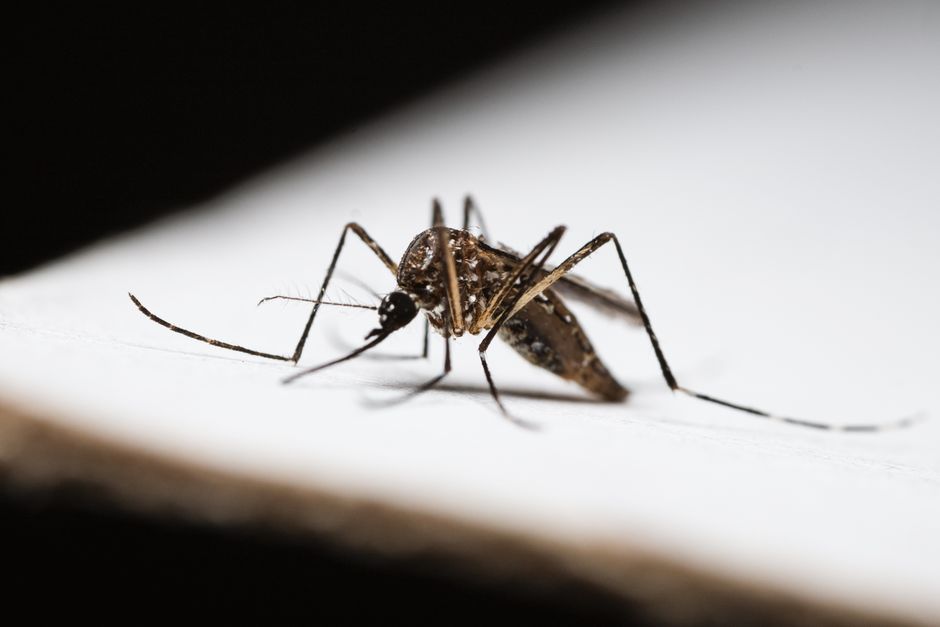
A line of bites on your skin is not proof of bed bugs. Fleas, bed bugs, and several other insects can all leave bites that look like a row or cluster. The pattern alone cannot tell you which bug bit you. What matters more is where the bites appear, when they show up, and what else you find nearby.
Bed bugs often feed in a line or small cluster, and so do fleas. Neither insect transmits disease to people in the United States through bites. The real task is telling them apart so you can treat the right problem in the right place.
What Bugs Bite In A Line?
Several biting insects leave marks in a row or cluster, but bed bugs and fleas are the two most commonly blamed. Others include mosquitoes, chiggers, and certain mites. The line pattern comes from how the insect feeds and moves, not from a single signature that identifies the species.
Bed bugs tend to probe and move along the skin, leaving two or three bites close together. Some people call this the “breakfast, lunch, and dinner” pattern. Fleas often bite around the ankles and lower legs, where they can leave several small bites in a rough line or group.
Mosquitoes can also produce clustered bites when one lands repeatedly on exposed skin. Chiggers leave intensely itchy bumps, often where clothing fits tightly. The point is that a line of bites narrows the possibilities but does not confirm any one culprit.
How Can You Tell Bed Bugs From Fleas?
The location and timing of bites are more useful than the pattern itself. Bed bug bites usually appear on skin exposed during sleep, such as the face, neck, arms, and hands. Flea bites cluster on the ankles and lower legs because fleas jump up from the floor or from a host.
Timing is another clue. Bed bug bites often show up in the morning after sleeping in an affected room. Flea bites can happen any time you are near infested animals or areas, indoors or outdoors.
What you find in the environment matters most. Bed bugs leave dark rust-colored spots and shed skins along mattress seams and furniture edges. Fleas are visible on pets or in carpets, and pets often scratch more than usual.
What Do Bed Bug Bites Look Like?
Bed bug bites are small, red, and often itchy. They may appear as flat spots or raised bumps, sometimes with a darker red center. Many people show no reaction at all, which is one reason infestations can go unnoticed for a long time.
Reactions vary widely from person to person. Some people develop itchy welts within hours. Others notice nothing for days, and some never react. This is a key point: the absence of bites does not mean the absence of bed bugs.
The bites are not dangerous in themselves. Bed bugs are not known to spread disease to humans through their bites, according to the Centers for Disease Control and Prevention. The main problems are itching, lost sleep, and the stress of an infestation.
What Do Flea Bites Look Like?
Flea bites are small red bumps, often with a tiny central puncture. They usually appear in groups of two or three on the lower legs and ankles. They are very itchy, and scratching can lead to skin infection.
Some people develop small fluid-filled blisters at the bite site. Others have a delayed reaction that appears a day or more later. Pets in the home are a common source, and a flea problem often shows up on animals before it shows up on people.
Fleas can carry bacteria that cause disease in rare cases, but this is uncommon in the United States. The more typical issue is itchy bites and pets that keep scratching.
Why Do Bites Appear In A Line At All?
The line pattern reflects how some insects feed. Bed bugs inject saliva as they probe, then move a short distance and probe again. This creates a series of nearby bites rather than one isolated mark.
Fleas bite repeatedly in a small area as they feed, so their bites also cluster. Neither insect is deliberately drawing a line. The pattern is a side effect of feeding behavior on skin.
This is why the “line” question is a bit of a trap. A single line of bites can come from more than one source, and the same insect can leave scattered bites on different people. Location and setting usually tell you more than the pattern.
How Do You Know Which Bug Is In Your Home?
Look for physical evidence rather than relying on bites. Bed bugs leave dark spots, shed skins, and tiny pale eggs along mattress seams and furniture cracks. You may also find live bugs, which are flat, oval, and reddish-brown.
Fleas are easier to spot on pets, especially around the neck and base of the tail. You might see small dark specks on the pet’s fur or in its bedding. Fleas also jump, so you may notice them springing from carpets.
A flashlight and a close look at sleeping areas and pet bedding can settle the question faster than any bite pattern. If you cannot find evidence, a professional inspection is the reliable next step.
What Should You Do About The Bites?
Most bites get better on their own. Washing the area with soap and water and avoiding scratching are the main steps. Over-the-counter anti-itch creams can help with discomfort. If a bite becomes hot, swollen, or oozing, see a doctor because infection is possible.
Treating the bites does not solve the source. For bed bugs, that means inspecting and treating the sleeping area, often with professional help. For fleas, it means treating pets and the home environment together.
Do not assume a line of bites means bed bugs and start a full treatment without evidence. Confirm what you are dealing with first. The wrong treatment wastes money and can expose you to unnecessary chemicals.
When Should You See A Doctor?
See a doctor if bites show signs of infection, such as spreading redness, warmth, swelling, or pus. Also seek care if you develop fever or feel unwell after bites. Severe allergic reactions are rare with bed bugs and fleas but possible.
People with weakened immune systems should take bites more seriously. So should anyone whose scratching is breaking the skin. In those cases, a medical visit is reasonable rather than waiting it out.
For most healthy adults, the bites are a nuisance rather than a medical emergency. The bigger risk is often the anxiety and sleep loss that come with an infestation.
How Can You Prevent Bites?
Prevention depends on the bug. For bed bugs, check hotel rooms and secondhand furniture before bringing them home. Wash and dry bedding on high heat after travel if you suspect exposure.
For fleas, keep pets on flea control recommended by a veterinarian. Vacuum carpets and pet areas regularly. Wash pet bedding often.
No single step guarantees protection. The goal is to reduce the chance of bringing either pest indoors and to catch problems early when they do appear.
Frequently Asked Questions
Can you tell bed bugs from fleas just by the bite pattern?
No. Both can leave bites in a line or cluster, so the pattern alone cannot identify the insect. Location on the body and physical evidence in the home are more reliable clues.
Do bed bug bites always appear in a line?
No. Bed bugs often bite in small clusters, but bites can also appear scattered. Many people show no reaction at all, so bites are not a dependable sign of an infestation.
Are flea bites dangerous?
Flea bites are usually just itchy and uncomfortable, and serious disease from them is uncommon in the United States. Scratching can lead to skin infection, so keeping the area clean matters.
Should I treat my home for bed bugs if I only see a line of bites?
Not without evidence. Look for dark spots, shed skins, or live bugs before treating. Confirming the pest first avoids unnecessary chemical exposure and wasted effort.
