
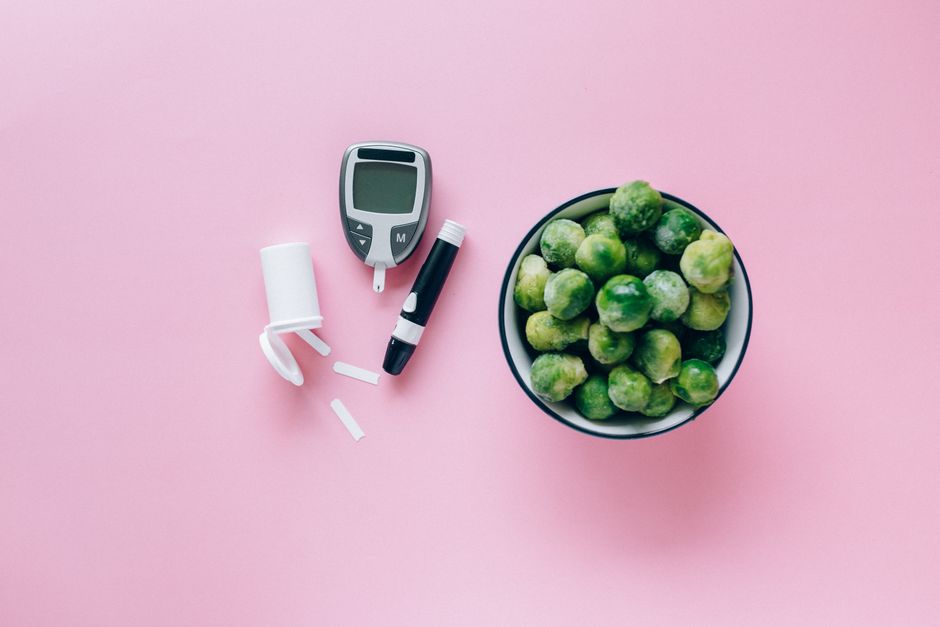
Brussels sprouts are a cruciferous vegetable packed with vitamin K, vitamin C, fiber, and a group of plant compounds called glucosinolates that researchers have studied for their potential role in cancer defense. A single cup of cooked Brussels sprouts delivers well over 100% of the daily vitamin K requirement and more than the daily vitamin C requirement for most adults. They also provide folate, manganese, and a modest amount of plant-based protein — all for roughly 56 calories per cooked cup.
What Brussel Sprouts Are Good For?
Brussels sprouts support bone health through vitamin K, immune function through vitamin C, and digestive health through fiber. They also contain glucosinolates — sulfur-containing compounds that break down into isothiocyanates and indoles during chewing and digestion. These breakdown products are the subject of most of the cancer-related research on cruciferous vegetables.
The vegetable belongs to the Brassica genus, the same family as broccoli, cabbage, kale, and cauliflower. Its nutrient profile overlaps heavily with those relatives, though Brussels sprouts are particularly dense in vitamin K and vitamin C relative to their calorie content.
What Nutrients Do Brussels Sprouts Contain?
A one-cup serving of cooked Brussels sprouts (about 156 grams) provides approximately 56 calories, 4 grams of protein, 4 grams of fiber, and 6 grams of net carbohydrates. The table below shows the key micronutrients in that serving, based on USDA nutrient data.
| Nutrient | Amount per 1 cup cooked | % Daily Value (adult) |
|---|---|---|
| Vitamin K | ~219 mcg | ~180% |
| Vitamin C | ~96 mg | ~107% |
| Folate | ~94 mcg | ~24% |
| Manganese | ~0.5 mg | ~22% |
| Vitamin B6 | ~0.3 mg | ~18% |
| Fiber | ~4 g | ~14% |
Daily Value percentages are based on a 2,000-calorie reference diet and vary by age, sex, and life stage. Vitamin K needs are higher for adult men than women; vitamin C needs increase during pregnancy and breastfeeding. No clinical guidelines currently establish separate Brussels sprout serving recommendations for pregnant women, infants, or children — general vegetable intake guidance applies instead.
Cooking method affects the final numbers. Boiling leaches water-soluble vitamins like vitamin C and folate into the cooking water. Steaming, roasting, and stir-frying preserve more of these nutrients. Vitamin K is fat-soluble and relatively stable across cooking methods, so it holds up better regardless of how you prepare them.
How Do Glucosinolates and Antioxidants Work in Brussels Sprouts?
Glucosinolates are inactive until the plant’s cells are damaged — by chopping, chewing, or biting. At that point, an enzyme called myrosinase converts them into active compounds, primarily isothiocyanates (including sulforaphane) and indoles (including indole-3-carbinol).
In laboratory studies, these compounds have shown the ability to influence detoxification enzymes, trigger apoptosis (programmed cell death) in cancer cells, and interfere with tumor blood vessel formation. That research is largely cell-culture and animal-based. Human trials using whole foods are much harder to run and the results are more modest and mixed.
Brussels sprouts also contain kaempferol, a flavonoid antioxidant, along with smaller amounts of quercetin. Antioxidants neutralize free radicals — unstable molecules that can damage DNA and cell membranes. The body produces its own antioxidant defenses, and dietary antioxidants add to that system. Whether the amounts from any single vegetable meaningfully change disease outcomes in humans is a question the evidence has not fully answered.
One practical note: boiling destroys myrosinase, the enzyme needed to convert glucosinolates into their active forms. Steaming, roasting, or sautéing preserves it. If you boil Brussels sprouts, the glucosinolates are still present but the conversion happens less efficiently. Some researchers suggest that eating a small amount of raw cruciferous vegetable alongside cooked ones can partially restore that conversion.
Can Brussels Sprouts Help Prevent Cancer?
The evidence is suggestive but not conclusive. Population studies have repeatedly found that people who eat more cruciferous vegetables tend to have lower rates of certain cancers, particularly lung, colorectal, and prostate cancers. But these are observational studies — they cannot prove that the vegetables caused the lower risk.
People who eat more vegetables also tend to smoke less, exercise more, and have other health habits that independently lower cancer risk. Researchers try to control for these factors statistically, but residual confounding is always possible.
Human intervention trials — where researchers assign people to eat more cruciferous vegetables and measure outcomes — have been small and short. They have shown changes in biomarkers that suggest possible protective mechanisms, but no large trial has demonstrated that eating Brussels sprouts prevents cancer in humans.
The honest position: cruciferous vegetables are a reasonable part of a cancer-preventive diet, but no single food prevents cancer. Organizations that publish dietary guidance consistently recommend eating a variety of vegetables, not one specific type.
Are Brussels Sprouts Good for Gut Health?
Yes, primarily because of their fiber content. One cup provides about 4 grams of fiber, roughly 14% of the daily recommendation for adults. Fiber feeds beneficial gut bacteria, adds bulk to stool, and supports regular bowel movements.
Brussels sprouts also contain prebiotic fibers — types of fiber that specific gut bacteria ferment into short-chain fatty acids like butyrate. Butyrate is the primary fuel source for colon cells and is associated with a healthy gut lining. This mechanism is well established in physiology.
The practical downside: Brussels sprouts contain raffinose, a complex sugar that humans cannot fully digest. Gut bacteria ferment it instead, producing gas. For most people this is mild. For people with irritable bowel syndrome or a sensitive gut, cruciferous vegetables can trigger significant bloating and discomfort. If that’s you, portion size matters more than avoidance — a small serving may be tolerated where a large one is not.
Do Brussels Sprouts Support Bone Health and Blood Clotting?
Vitamin K is the link here. The body uses vitamin K to activate osteocalcin, a protein that binds calcium into bone tissue. Low vitamin K status is associated with lower bone density and higher fracture risk in some studies, though the relationship is not as well established as the role of calcium and vitamin D.
Vitamin K is also essential for blood clotting. The liver uses it to produce several clotting factors, including prothrombin. Without adequate vitamin K, clotting is impaired.
This matters most for people taking warfarin or similar blood-thinning medications. These drugs work by blocking vitamin K’s clotting action. Eating large, inconsistent amounts of vitamin K-rich foods like Brussels sprouts can interfere with the drug’s effectiveness and make INR levels unstable. This does not mean people on warfarin must avoid Brussels sprouts. It means keeping vitamin K intake steady day to day, which is standard clinical guidance. Anyone on warfarin should talk to their prescribing clinician before making significant dietary changes.
How Should You Cook Brussels Sprouts to Keep Nutrients?
Steaming, roasting, and stir-frying retain more water-soluble vitamins than boiling. Roasting at high heat also caramelizes the natural sugars, which is why roasted Brussels sprouts taste sweeter and less bitter than boiled ones.
The bitterness people associate with Brussels sprouts comes from glucosinolates. Modern varieties have been bred to contain fewer of these compounds, which is one reason Brussels sprouts taste milder today than they did decades ago. Overcooking amplifies bitterness by releasing more sulfur compounds — so shorter cooking times generally produce better flavor.
Some practical notes:
- Cut sprouts in half before roasting so they cook evenly and the interior caramelizes.
- Steam for 6–8 minutes until fork-tender but still bright green. Longer steaming dulls color and leaches nutrients.
- Avoid prolonged boiling if vitamin C and folate content matter to you.
- Pair with a small amount of fat — olive oil or butter — since vitamin K is fat-soluble and absorbs better with dietary fat.
Who Should Be Careful With Brussels Sprouts?
People taking warfarin or other vitamin K antagonist blood thinners need consistent, not eliminated, intake. Sudden increases or decreases in vitamin K can destabilize clotting time. This is well-documented clinical guidance.
People with irritable bowel syndrome or FODMAP sensitivity may experience bloating, gas, or cramping from the raffinose and fructans in Brussels sprouts. Fructans are fermentable carbohydrates that draw water into the gut and ferment rapidly. Small servings may be tolerated; large ones often are not.
People with thyroid conditions should know that cruciferous vegetables contain goitrogens — compounds that can interfere with thyroid hormone production in large amounts. In practice, normal dietary intake of cooked Brussels sprouts has not been shown to cause thyroid problems in people with adequate iodine intake. The concern is mainly relevant for people who eat very large amounts of raw cruciferous vegetables and have existing iodine deficiency or thyroid disease. If you have hypothyroidism, it’s reasonable to mention your vegetable intake to your clinician, but cooking reduces goitrogen activity and normal servings are generally considered fine.
Anyone with a known allergy to cruciferous vegetables should avoid them. This allergy is uncommon but documented.
Frequently Asked Questions
Are Brussels sprouts healthier than broccoli?
They are similar in nutrient density, but Brussels sprouts are higher in vitamin K and vitamin C per serving. Broccoli contains more vitamin A and slightly more sulforaphane precursor. Both are excellent choices — eating a mix is better than choosing one.
Can you eat Brussels sprouts raw?
Yes, raw Brussels sprouts are safe to eat and retain their full vitamin C content. They have a stronger, more bitter flavor and are harder to digest, so thin slicing or shaving them helps.
How much vitamin K is in a cup of Brussels sprouts?
About 219 micrograms per cooked cup, which is roughly 180% of the Daily Value for an average adult. People on blood-thinning medication should keep intake consistent rather than high.
Do Brussels sprouts cause gas?
Yes, for many people. They contain raffinose, a sugar that gut bacteria ferment and that produces gas as a byproduct. Smaller portions and thorough cooking reduce the effect for most people.
