
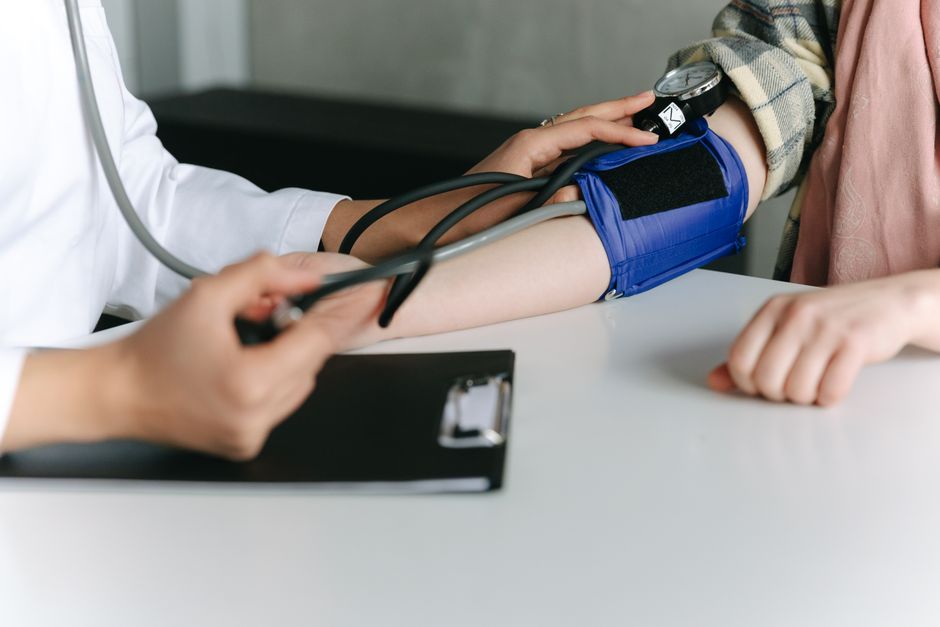
Blood pressure rises when the force of blood pushing against your artery walls increases. That can happen in a single moment — a sudden fright, a strong coffee, a full bladder — or slowly over years through changes in your arteries, hormones, kidneys, and daily habits. Most of the time, the causes are ordinary and cumulative: what you eat, how you sleep, how much you move, and what runs in your family.
Understanding the difference between a temporary spike and a lasting rise matters. One is normal physiology. The other is the slow process that leads to hypertension, a condition affecting roughly half of US adults according to the Centers for Disease Control and Prevention. This article separates the two clearly.
What Brings Up Blood Pressure Causes And Triggers
Broadly, causes fall into two groups: things that raise blood pressure briefly and things that raise it persistently. Triggers are short-lived. Causes are the underlying factors that keep pressure elevated over months and years.
Short-term triggers include stress, caffeine, nicotine, physical exertion, a full bladder, pain, and cold temperatures. These produce temporary changes your body regulates back to baseline. They are not the reason hypertension develops.
Persistent causes are different. They involve structural and hormonal changes — stiffer arteries, altered kidney sodium handling, overactive sympathetic nervous system signaling — and they accumulate silently. Most people with high blood pressure feel nothing at all, which is why it is called the silent killer.
One clarification worth making: a single high reading does not mean you have hypertension. Diagnosis requires repeated elevated measurements over time, typically across multiple visits. White coat hypertension — elevated readings in a clinical setting but normal readings at home — is common and real.
How the Body Regulates Blood Pressure
Blood pressure is the product of two things: how much blood your heart pumps per minute (cardiac output) and how much resistance the blood meets in your arteries (vascular resistance). Anything that raises either one raises pressure.
The kidneys play a central role. They control sodium and water balance, and therefore blood volume. When the kidneys retain more sodium and water, blood volume increases, and pressure rises. The renin-angiotensin-aldosterone system — a hormone cascade — is the body’s main lever here. This is why many blood pressure medications target kidney and hormone pathways directly.
The sympathetic nervous system — your fight-or-flight branch — constricts blood vessels and increases heart rate. Chronic stress activation of this system contributes to sustained elevation. The endothelium, the thin lining inside your arteries, releases nitric oxide to relax vessels. When that lining is damaged by factors like smoking or high blood sugar, vessels stiffen and pressure climbs.
Arterial stiffness increases naturally with age. This is one reason blood pressure tends to rise in midlife and beyond, even in people whose habits have not changed.
Dietary Causes: Sodium, Alcohol, and More
Sodium is the most studied dietary factor in blood pressure. Excess sodium causes the body to hold extra water, increasing blood volume. It also affects blood vessel function directly. The evidence linking high sodium intake to elevated blood pressure is strong and consistent across populations.
Current US dietary guidance recommends limiting sodium to 2,300 mg per day for most adults, and the American Heart Association suggests an ideal limit closer to 1,500 mg per day for people with hypertension. Most Americans consume well above either figure, largely from processed and restaurant foods rather than the salt shaker.
Potassium works in the opposite direction. It helps the kidneys excrete sodium and relaxes blood vessel walls. Diets rich in fruits, vegetables, and legumes — which are high in potassium — are associated with lower blood pressure. The DASH eating pattern was built around this principle and has been studied extensively.
Alcohol raises blood pressure in a dose-dependent way. Heavier drinking is linked to higher readings, and reducing intake tends to lower them. Caffeine causes a brief spike — typically a few points — that fades within hours in habitual drinkers. Licorice root, found in some candies and supplements, contains a compound that mimics aldosterone and can raise blood pressure when consumed in large amounts.
Lifestyle and Environmental Triggers
Several everyday factors raise blood pressure in ways people often overlook.
- Chronic stress keeps the sympathetic nervous system activated, which constricts vessels and raises heart rate over time.
- Poor sleep — including short duration and untreated sleep apnea — is strongly associated with hypertension. Sleep apnea in particular is a well-established contributor, and treating it can improve blood pressure.
- Physical inactivity reduces vessel flexibility and contributes to weight gain, both of which raise pressure.
- Smoking and vaping cause immediate spikes and long-term arterial damage. Nicotine constricts blood vessels within minutes of use.
- Pain and acute illness can raise readings temporarily through stress hormone release.
- Cold weather causes blood vessels to narrow, which is why blood pressure tends to run higher in winter.
Some of these are triggers — brief and reversible. Others, like inactivity and sleep apnea, are sustained causes that need addressing directly. The distinction matters for what you do about them.
Medical Conditions and Medications That Raise Blood Pressure
Secondary hypertension is high blood pressure caused by another condition or a medication. It accounts for a minority of cases but is important to rule out, especially in younger people or when blood pressure is hard to control.
Kidney disease is the most common secondary cause. The kidneys regulate fluid and hormone balance, so impaired function often raises pressure. Other conditions linked to secondary hypertension include thyroid disorders, sleep apnea, and certain adrenal gland conditions such as primary aldosteronism, which some research suggests is more common than once thought.
Several medications can raise blood pressure as a side effect:
- Nonsteroidal anti-inflammatory drugs (NSAIDs) like ibuprofen and naproxen, especially with regular use
- Some decongestants, which constrict blood vessels
- Certain antidepressants and corticosteroids
- Some hormonal contraceptives
- Stimulants, including those prescribed for attention disorders
This does not mean these medications are unsafe. It means that if you take them regularly and your blood pressure is rising, it is worth discussing with your clinician. Never stop a prescribed medication on your own.
Risk Factors You Cannot Change
Some contributors are fixed. Age is one — blood pressure tends to rise with age as arteries stiffen. Family history is another; genetic factors influence how the kidneys handle sodium and how vessels respond to stress hormones. People with a parent or sibling with hypertension have a higher risk themselves.
Race and ethnicity matter in a specific, documented way. Black adults in the US develop hypertension earlier, more often, and with more severe outcomes than White adults. The reasons are not fully understood and likely involve a mix of genetic, environmental, and social factors, including chronic stress from structural inequities and reduced access to care. This is a well-documented disparity, not a matter of speculation.
Chronic conditions raise risk too. Diabetes damages blood vessels. Obesity increases the workload on the heart and affects hormone signaling. Chronic kidney disease directly disrupts fluid balance. These are established associations supported by substantial research.
When to Get Your Blood Pressure Checked
Most adults should have blood pressure measured at least once a year, and more often if readings have been elevated. The US Preventive Services Task Force recommends screening all adults starting at age 18.
Normal blood pressure is below 120/80 mm Hg. Elevated is 120–129 systolic with diastolic below 80. Stage 1 hypertension is 130–139 systolic or 80–89 diastolic. Stage 2 is 140/90 or higher. These thresholds come from the 2017 American College of Cardiology and American Heart Association guideline and remain the current US standard.
If you get a high reading at home, do not panic. Measure again after resting quietly for five minutes, seated with your back supported and your arm at heart level. Track readings over days rather than reacting to one number. Bring that record to your clinician.
Seek urgent care for a reading above 180/120 mm Hg, especially with chest pain, shortness of breath, severe headache, vision changes, or weakness — these can signal a hypertensive crisis.
Frequently Asked Questions
What is the most common cause of high blood pressure?
For most people, the cause is not one single factor but a combination of genetics, age, diet, weight, and activity level. This is called primary or essential hypertension, and it accounts for the large majority of cases.
Can stress alone cause high blood pressure?
Stress causes temporary spikes, and chronic stress is associated with sustained elevation over time. It is rarely the sole cause but can contribute alongside other factors.
Does coffee raise blood pressure?
Caffeine causes a brief rise of a few points that fades within hours, and habitual drinkers develop tolerance. Long-term coffee consumption is not consistently linked to hypertension in research.
Can dehydration raise blood pressure?
Severe dehydration can affect blood pressure, but the effect is variable and not a typical cause of chronic hypertension. Sodium and fluid balance matter more than hydration status alone.
