
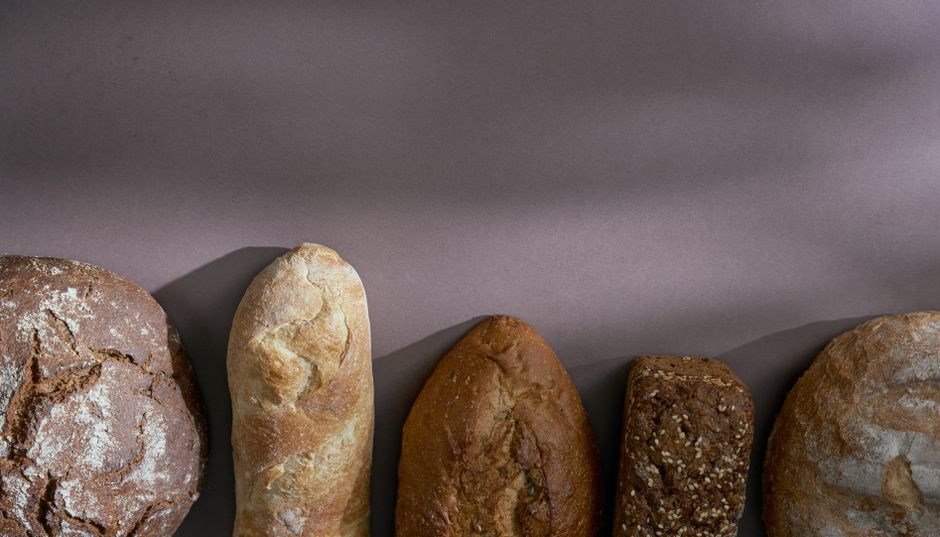
Plain white bread and other refined white-flour breads are usually the safest choice when you have diarrhea. Whole wheat, rye, and breads loaded with seeds or dried fruit are more likely to make loose stools worse. The reason is fiber: refined white bread is low in it, and fiber — especially the insoluble kind found in whole grains — can speed up an already overactive gut.
That said, bread is a small piece of managing diarrhea. It will not fix the cause. It can help you get calories in without adding more irritation while your gut settles. Here is what the evidence and standard clinical guidance actually say about which breads help and which ones to skip.
Why does white bread help with diarrhea?
White bread is made from flour with the bran and germ removed. That strips out most of the fiber and leaves mostly starch. For a gut that is inflamed or moving too fast, that is exactly what you want: something easy to digest that does not add bulk or roughage.
Starch also acts a bit like a sponge. As it moves through the intestine, it can help bind loose stool and make it firmer. This is one reason plain starches — white rice, white bread, plain pasta, crackers — are staples of the traditional bland diet used during short bouts of diarrhea.
White bread is not a treatment. It does not stop diarrhea or replace lost fluids. But it is gentle, calorie-dense, and usually well tolerated. That combination makes it a reasonable food to lean on while you recover.
What bread is good for diarrhea — best and worst types
Here is the practical breakdown. The general rule: the simpler and lower in fiber the bread, the better during an active bout.
- Best: Plain white bread, white rolls, white sandwich bread, and plain white toast. Low fiber, easy to digest, mild.
- Good: White bread lightly toasted, plain crackers, and white rice cakes. Toasting can make bread a little easier to handle for some people.
- Use caution: Sourdough and French bread. These are usually white-flour based but can vary in fiber and acidity, so tolerance differs from person to person.
- Worst: Whole wheat, whole grain, rye, multigrain, and breads with seeds, nuts, or dried fruit. High in insoluble fiber and likely to worsen loose stools.
One clarification worth making: “wheat bread” on a label is not the same as “whole wheat bread.” Wheat bread is often mostly refined white flour with a little wheat added. If you are unsure, check the fiber grams on the nutrition panel — lower is better during diarrhea.
Why is whole wheat bread a bad choice during diarrhea?
Whole wheat bread contains the bran, and bran is high in insoluble fiber. Insoluble fiber does not dissolve in water. It adds bulk and helps move contents through the bowel — which is helpful when you are constipated and unhelpful when you already have diarrhea.
Seeds, nuts, and dried fruit make it worse. These are hard to break down, can be physically irritating to an inflamed gut lining, and dried fruit also pulls water into the intestine, which can loosen stool further.
This does not mean whole grains are bad for you. They are a healthy part of a normal diet. It means that during an acute bout of diarrhea, high-fiber breads work against you. Save them for when your stools are back to normal.




Does the BRAT diet apply to bread?
The BRAT diet stands for Bananas, Rice, Applesauce, and Toast. Toast is where bread fits in, and it is usually white toast. BRAT has been used for decades as a short-term bland diet during diarrhea.
Modern guidance has moved away from relying on BRAT for more than a day or two. The reason is nutrition: BRAT is low in protein, fat, and several nutrients, and it is not meant to be followed long term. Current clinical thinking favors returning to a normal, balanced diet as soon as you can tolerate it, rather than staying on bland foods for an extended period.
So white toast is fine as a comfort food early on. It is not a plan for the whole week.
What should you put on the bread?
What goes on the bread matters as much as the bread itself. Plain is safest. A little salt or a thin scrape of a low-fiber spread is usually fine.
Avoid heavy butter or greasy spreads, which can be hard to digest and may worsen symptoms for some people. Skip high-fiber toppings like peanut butter with added seeds, jam with lots of fruit solids, or anything with dried fruit. Honey or a thin layer of jelly is generally easier on the gut than a fiber-heavy spread.
If dairy tends to bother you — and temporary lactose intolerance is common after a bout of diarrhea — use caution with butter and cheese. The lining of the small intestine can lose some of its ability to digest lactose for a while after illness. This usually settles on its own, but it is a real reason some people feel worse after dairy during recovery.
What matters more than bread when you have diarrhea
Bread is a supporting player. The main job during diarrhea is replacing fluids and electrolytes, because the biggest risk — especially for young children and older adults — is dehydration.
Water alone does not replace the salts you lose. Oral rehydration solutions are designed for this and are the standard approach recommended by health authorities worldwide. For most healthy adults with a mild, short bout, water plus salty foods and broths is often enough. For children, older adults, and anyone with significant fluid loss, an oral rehydration solution is the safer choice.
Seek medical care if diarrhea lasts more than a couple of days in an adult, is accompanied by high fever, severe pain, blood or black stool, or signs of dehydration such as dizziness, dark urine, or very little urination. In young children, dehydration can develop quickly and warrants prompt attention.
Do probiotics or supplements help with diarrhea?
The evidence is mixed. Some studies suggest certain probiotic strains may shorten the duration of infectious diarrhea, particularly in children, but results vary by strain, dose, and cause. No single probiotic is established as a reliable treatment for all diarrhea.
If you are considering a probiotic, it is worth talking to a clinician first — especially if diarrhea is severe, lasting, or you have a weakened immune system. Probiotics are not risk-free for everyone. There is no clinical guideline recommending a specific probiotic product for general use during diarrhea.
When should you not rely on diet at all?
Diet changes are for mild, short-lived diarrhea. They are not a substitute for medical care in several situations.
- Diarrhea lasting more than two days in an adult, or more than 24 hours in a young child
- Blood or black, tarry stool
- High fever or severe abdominal pain
- Signs of dehydration — dizziness, dry mouth, dark urine, unusual weakness
- Diarrhea after recent antibiotic use or travel
- Diarrhea in someone with a weakened immune system
These situations need a clinician’s assessment, not a change in bread. Some causes of diarrhea — infections, medication side effects, and chronic conditions — require specific treatment that food cannot address.
Frequently Asked Questions
Is white bread good for diarrhea?
Yes, plain white bread is usually a safe, gentle choice during diarrhea because it is low in fiber and easy to digest. It will not treat the cause, but it helps you get calories without adding irritation.
Can I eat whole wheat bread with diarrhea?
It is better to avoid it during an active bout. Whole wheat is high in insoluble fiber, which can speed up the gut and make loose stools worse until you have recovered.
Should I toast bread for diarrhea?
Toasting is optional and some people find it easier to tolerate, but plain untoasted white bread is fine too. The key is choosing a low-fiber white bread and keeping toppings simple.
How long should I eat bland bread when I have diarrhea?
Only for a day or two, then return to a normal balanced diet as you can tolerate it. Prolonged bland diets are low in important nutrients and are not recommended for extended periods.
