
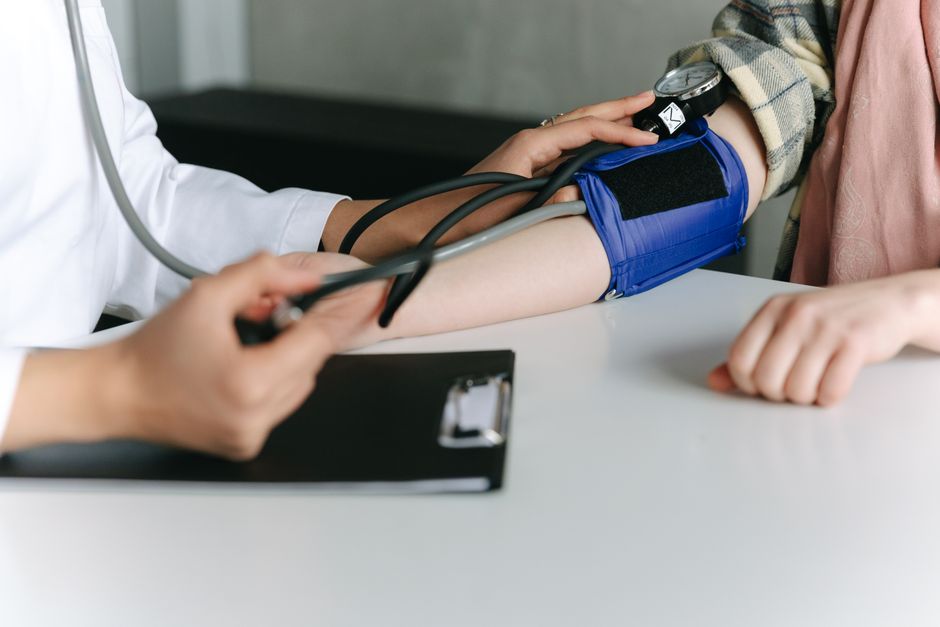
Blood pressure is considered high when the top number (systolic) reaches 130 mmHg or higher, or the bottom number (diastolic) reaches 80 mmHg or higher. These are the thresholds used by the American College of Cardiology and the American Heart Association. A reading below 120/80 mmHg is normal. Anything between normal and high is now called elevated blood pressure, and that range starts at 120–129 systolic with diastolic still under 80.
Those numbers matter because they decide when a doctor has a conversation with you about treatment. They are not the same as the older 140/90 cutoff many people still remember. The definitions changed in 2017, and that shift moved millions of Americans into a category that warrants attention — though not always medication.
What Blood Pressure Range Is Considered High?
High blood pressure begins at 130/80 mmHg. A single reading at or above that level does not automatically mean you have hypertension, but it does mean the number needs to be confirmed.
The current categories look like this:
| Category | Systolic (mmHg) | Diastolic (mmHg) |
|---|---|---|
| Normal | Less than 120 | and less than 80 |
| Elevated | 120–129 | and less than 80 |
| Stage 1 hypertension | 130–139 | or 80–89 |
| Stage 2 hypertension | 140 or higher | or 90 or higher |
| Hypertensive crisis | Higher than 180 | and/or higher than 120 |
Notice the word “or.” You fall into a category if either number meets the threshold. So a reading of 118/84 is Stage 1 hypertension because the diastolic number is 84. This trips people up constantly. Many assume a good top number cancels out a high bottom number. It does not.
The 2017 guidelines lowered the threshold from 140/90 to 130/80 based on large trials showing that treating to lower targets reduced cardiovascular events. That decision remains debated among some clinicians, particularly for older adults and people at low overall risk. The evidence for the change is strongest in people with additional cardiovascular risk factors.
Why Did the Definition of High Blood Pressure Change?
The change was driven by outcome data, not opinion. Large randomized trials compared more intensive blood pressure lowering against standard targets and found fewer heart attacks, strokes, and cardiovascular deaths in the intensive group.
The most cited of these was a trial that randomized thousands of adults aged 50 and older with elevated cardiovascular risk to a systolic target of less than 120 mmHg versus less than 140 mmHg. The intensive group had meaningfully fewer cardiovascular events and lower all-cause mortality, though also more adverse effects such as low blood pressure episodes and some kidney and electrolyte problems.
That trade-off is the honest core of the debate. Lower is generally better for most people, but not infinitely lower and not without cost. For frail older adults, people with orthostatic hypotension, or those with limited life expectancy, aggressive targets can cause more harm than good. This is why the guidelines emphasize individualized decisions rather than a single number for everyone.
How Is Blood Pressure Measured Correctly?
Most high readings in a doctor’s office are partly wrong — not because the machine is broken, but because the measurement was taken poorly. Getting an accurate number matters more than most people realize, since treatment decisions rest on it.
Proper technique follows a few established steps:
- Sit quietly for five minutes before measuring
- Keep feet flat on the floor, back supported, arm at heart level
- Use a correctly sized cuff — too small a cuff reads falsely high
- Avoid caffeine, exercise, and smoking for 30 minutes beforehand
- Empty your bladder first
- Take at least two readings, one minute apart, and average them
A common and underappreciated issue is white coat hypertension — blood pressure that runs high in a clinical setting but normal at home. The reverse also happens: masked hypertension, where office readings look fine but home readings are elevated. Both are real and both change management. Home monitoring or 24-hour ambulatory monitoring helps sort this out, and the evidence supports using out-of-office readings to confirm a diagnosis before starting treatment.
What Does a Single High Reading Mean?
One high reading does not diagnose hypertension. Blood pressure fluctuates throughout the day with activity, stress, caffeine, sleep, and even the act of having your arm squeezed.
Diagnosis generally requires repeated elevated readings over time — either multiple office visits or a series of home measurements. This is not a technicality. Treating a person for hypertension based on one anxious measurement can mean years of medication they never needed.
That said, a single reading above 180/120 is different. If it comes with chest pain, shortness of breath, severe headache, vision changes, weakness, or difficulty speaking, it is a medical emergency — call emergency services. If you feel fine but your reading is that high, the standard guidance is to wait a few minutes and recheck. If it stays above 180/120, seek care promptly. This is called hypertensive crisis and it needs evaluation, not a wait-and-see approach.
What Causes High Blood Pressure?
Most high blood pressure has no single identifiable cause. This is called primary or essential hypertension, and it develops gradually through a mix of genetics, age, and lifestyle factors.
Established contributors include excess body weight, high sodium intake, low potassium intake, physical inactivity, heavy alcohol use, and chronic stress. Age matters too — blood vessels stiffen over time, which raises pressure even in people who have lived healthily. Family history is a genuine risk factor, not an excuse.
A smaller share of cases are secondary hypertension, meaning another condition is driving it. Kidney disease, sleep apnea, thyroid disorders, and certain medications including some decongestants and anti-inflammatory drugs can raise blood pressure. Secondary hypertension is more likely when blood pressure is very high, appears suddenly, or resists treatment. Screening for these causes is appropriate in those situations.
Does High Blood Pressure Have Symptoms?
Usually, no. High blood pressure is called the silent killer for a reason — most people with it feel completely normal. Symptoms like headaches, nosebleeds, or feeling flushed are not reliable indicators, and their absence does not mean your blood pressure is fine.
This is why measurement matters more than how you feel. The damage from sustained high pressure accumulates silently in the arteries, heart, kidneys, and eyes over years. Serious symptoms typically appear only when pressure is dangerously high or when complications have already developed.
There is a persistent myth that you can “feel” your blood pressure. You cannot, with any reliability. The only way to know is to measure it.
When Should You See a Doctor?
See a doctor if your readings are consistently 130/80 or higher, or if home monitoring shows a pattern of elevation even when office readings look normal. Bring your home readings with you — they are clinically useful.
Seek prompt care for readings above 180/120, especially with symptoms. And if you are already treated for hypertension but your numbers remain high, that warrants a conversation about whether the current approach is working rather than assuming it is.
Blood pressure thresholds are a starting point for a conversation, not a verdict. The number on the cuff tells you where you stand. What you do about it depends on your overall risk, your age, your other health conditions, and a discussion with a clinician who knows your history.
Frequently Asked Questions
Is 130 over 80 considered high blood pressure?
Yes. A reading of 130/80 mmHg meets the threshold for Stage 1 hypertension under current American College of Cardiology and American Heart Association guidelines. A single reading at this level should be confirmed with repeat measurements before a diagnosis is made.
What is a dangerous blood pressure level?
A reading higher than 180/120 mmHg is considered a hypertensive crisis and requires prompt medical attention. If it comes with symptoms like chest pain, severe headache, or vision changes, call emergency services immediately.
Can high blood pressure be normal in older adults?
Blood pressure tends to rise with age as arteries stiffen, so higher readings are common in older adults. Common does not mean harmless, but treatment targets for older or frail adults are often individualized rather than following a single number.
Does one high reading mean I have hypertension?
No. Diagnosis generally requires repeated elevated readings over multiple visits or confirmed home measurements. Blood pressure naturally fluctuates, and a single high reading can reflect stress, caffeine, or poor measurement technique.
