
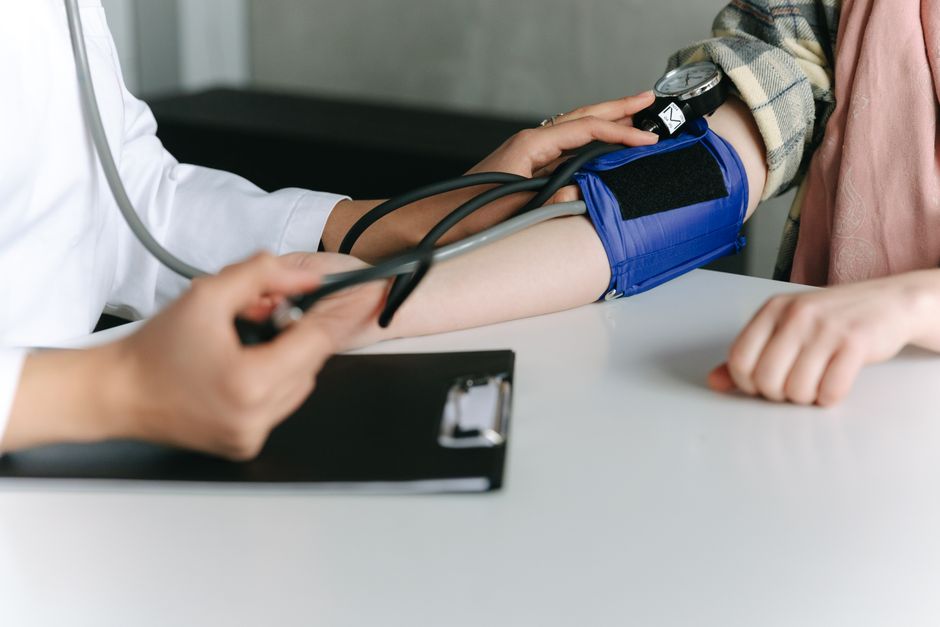
Preeclampsia is diagnosed when blood pressure reaches 140/90 mm Hg or higher after 20 weeks of pregnancy, combined with signs of organ damage such as protein in the urine. A reading of 160/110 mm Hg or higher is considered severe preeclampsia, even without other symptoms. The numbers matter, but they are only part of the picture — preeclampsia is a syndrome, not a single blood pressure number.
What Blood Pressure Is Considered Preeclampsia?
The threshold is 140/90 mm Hg. That is the number written into diagnostic guidelines worldwide, including those from the American College of Obstetricians and Gynecologists.
But a high reading alone does not make the diagnosis. Preeclampsia requires new high blood pressure after 20 weeks of pregnancy plus evidence that an organ system is affected. That evidence can be protein in the urine, low platelets, kidney problems, liver problems, fluid in the lungs, or new headaches and vision changes.
There is an important distinction many people miss. A woman can have high blood pressure in pregnancy without preeclampsia. That condition is called gestational hypertension, and it involves elevated readings without organ damage. The difference matters because the management, monitoring, and delivery timing can differ.
Blood pressure is measured on two numbers. The top number (systolic) is the pressure when the heart beats. The bottom number (diastolic) is the pressure between beats. Preeclampsia criteria are met when either number reaches the threshold — 140 systolic or 90 diastolic.
What Is the Difference Between Mild and Severe Preeclampsia?
Severe preeclampsia is defined by blood pressure of 160/110 mm Hg or higher on two occasions about four hours apart, or by specific organ complications. The blood pressure line is clear. The organ complications are what make the condition dangerous regardless of the number.
Severe features include:
- Platelet count below 100,000 per microliter
- Liver enzymes elevated to twice normal or more
- Severe persistent pain in the upper right abdomen
- Kidney dysfunction, including creatinine above 1.1 mg/dL
- Fluid in the lungs
- New persistent headache that does not respond to medication
- Visual disturbances such as blurring or seeing spots
Some clinicians use the term “preeclampsia with severe features” rather than “severe preeclampsia.” The terms describe the same clinical situation. The shift in language happened because the condition is defined by the features, not by how sick the person appears.
This is a non-obvious point worth stating clearly: a woman can feel fine and still have severe features. Platelets can drop and liver enzymes can rise before any symptom appears. That is why lab work matters as much as the blood pressure cuff.
Why Does the 20-Week Mark Matter?
Preeclampsia is defined as new high blood pressure after 20 weeks of pregnancy. High blood pressure before 20 weeks is usually a different problem — chronic hypertension that existed before pregnancy or developed early in it.
The 20-week cutoff reflects the biology. Preeclampsia is thought to begin with abnormal development of the placenta early in pregnancy. The placenta forms in the first trimester, but the maternal signs — high blood pressure and organ effects — typically appear in the second half of pregnancy.
When high blood pressure and organ damage appear before 20 weeks, clinicians look for other causes. That includes conditions like molar pregnancy, where abnormal placental tissue forms without a normal fetus. The distinction changes the diagnosis and the care.
Preeclampsia can also appear for the first time after delivery. This is called postpartum preeclampsia, and it usually develops within the first several days after birth, though it can occur up to about six weeks later. Some clinicians recommend checking blood pressure again within a week of delivery for anyone who had elevated readings during pregnancy.
How Is Blood Pressure Measured in Pregnancy?
Accurate measurement matters because the diagnosis rests on it. A single high reading is not enough. Guidelines call for two readings taken at least four hours apart to confirm new hypertension.
Proper technique makes a real difference. The cuff should be the right size for the arm. The woman should be seated, with her arm supported at heart level. Caffeine and smoking should be avoided beforehand when possible.
Some clinicians use home blood pressure monitoring to track readings between visits. Home cuffs can be useful for spotting trends, but they are not a substitute for clinical measurement when a diagnosis is being made. A home reading that seems high should prompt a call to the care team rather than a conclusion.
What Symptoms Should Prompt a Blood Pressure Check?
Some symptoms are warning signs that warrant immediate contact with a clinician. They can appear even when blood pressure has not yet crossed the diagnostic line.
- A headache that will not go away, especially one that feels different from usual
- Changes in vision — blurring, seeing spots, or sensitivity to light
- Pain in the upper right abdomen or under the ribs on the right side
- Sudden swelling of the face or hands
- Shortness of breath
- Nausea or vomiting that starts after mid-pregnancy
Swelling of the feet and ankles is common in normal pregnancy and is not, by itself, a sign of preeclampsia. Sudden swelling of the hands and face is more concerning. The distinction is not always obvious, which is why it is worth asking a clinician rather than deciding alone.
Anyone with these symptoms during pregnancy or in the weeks after delivery should contact their care team promptly or seek emergency care. Postpartum warning signs are easy to miss because attention shifts to the baby.
Who Is at Higher Risk?
Some factors raise the chance of developing preeclampsia. Having a risk factor does not mean it will happen, and having none does not rule it out.
Established risk factors include a first pregnancy, a prior history of preeclampsia, chronic high blood pressure, diabetes, kidney disease, and pregnancy with twins or more. Obesity, age 35 or older, and certain autoimmune conditions are also associated with higher risk.
Risk is not destiny. Many women with several risk factors never develop the condition, and many with none do. This is why blood pressure is checked at every prenatal visit regardless of risk profile.
For people at high risk, some clinicians recommend low-dose aspirin started in early pregnancy to lower the chance of developing preeclampsia. This is a decision to make with a clinician, not something to start on your own. Aspirin use in pregnancy should always be guided by a care team.
How Is Blood Pressure Managed Once Preeclampsia Is Diagnosed?
Delivery is the only known cure for preeclampsia. The placenta is the source of the problem, and the condition resolves after it is delivered. The timing of delivery depends on how severe the condition is and how far along the pregnancy is.
For preeclampsia without severe features, clinicians often recommend close monitoring and may deliver around 37 weeks. For severe features, delivery is usually recommended sooner, sometimes within hours depending on the situation. These decisions involve balancing the risks of continuing the pregnancy against the risks of early delivery.
Medication may be used to lower blood pressure and reduce the risk of stroke in severe cases. Magnesium sulfate is used to prevent and treat seizures, which is a serious complication called eclampsia. These treatments are given in a hospital setting under close supervision.
No diet, supplement, or lifestyle change has been shown to treat preeclampsia once it develops. Claims otherwise are not supported by clinical evidence. The focus is monitoring and timely delivery.
What Happens After Delivery?
Blood pressure usually returns to normal within days to weeks after delivery. But it can rise in the days after birth, which is why postpartum monitoring matters.
Postpartum preeclampsia can develop in someone who had normal blood pressure during pregnancy. It is uncommon but serious. Headaches, vision changes, and high readings in the days after delivery should be reported right away.
People who had preeclampsia have a higher long-term risk of high blood pressure and heart disease later in life. That does not mean the condition causes heart disease. It means pregnancy can act like a stress test that reveals underlying risk. Regular blood pressure checks after pregnancy are worth taking seriously.
Frequently Asked Questions
Is 140/90 considered preeclampsia?
A reading of 140/90 mm Hg or higher after 20 weeks of pregnancy meets the blood pressure criterion for preeclampsia. The diagnosis also requires signs of organ damage or, in some cases, severe features.
Can you have preeclampsia with normal blood pressure?
Preeclampsia is defined by high blood pressure, so a normal reading does not meet the criteria. However, organ damage can sometimes appear before blood pressure rises, which is why clinicians watch for symptoms and lab changes.
What blood pressure is dangerously high in pregnancy?
A reading of 160/110 mm Hg or higher is considered severe and requires urgent medical attention. Readings at this level raise the risk of stroke and other serious complications.
When should I check my blood pressure after pregnancy?
Blood pressure should be checked within the first week after delivery if readings were elevated during pregnancy. Any severe headache, vision change, or very high reading after birth warrants immediate contact with a clinician.
