
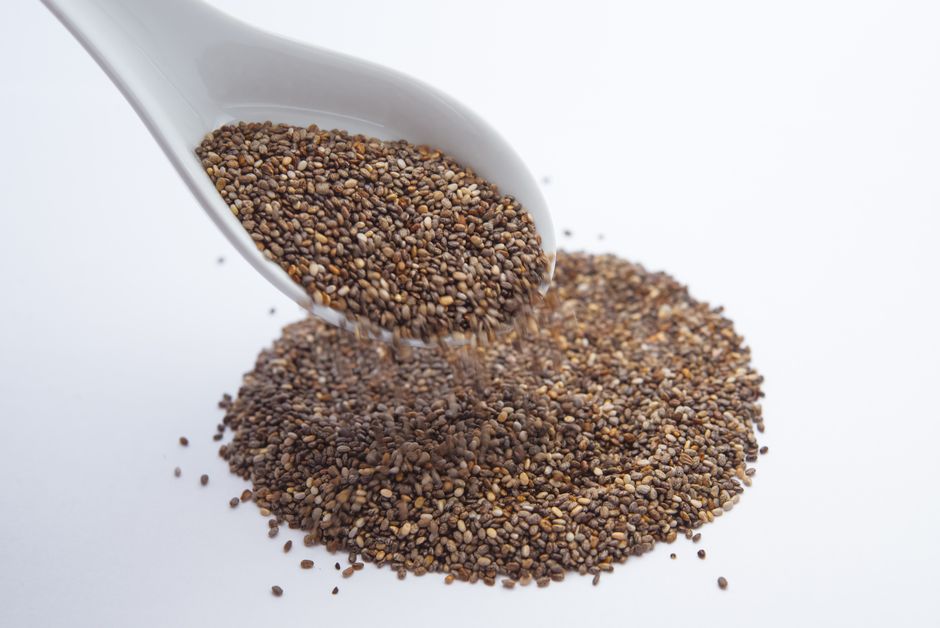
Black seed oil comes from the seeds of Nigella sativa, a flowering plant used in cooking and traditional medicine across the Middle East and South Asia for centuries. The oil is best known for two things: a compound called thymoquinone, which is the subject of most of the lab research, and a long history of use for inflammatory and respiratory complaints. The evidence for human benefit is real in some areas and thin in others — and the gap between what the internet claims and what clinical trials actually show is wide.
What it is not is a proven treatment for any disease. No regulatory body has approved black seed oil as a drug. Most human studies are small, and many used a proprietary extract rather than the oil you would buy off a shelf. That matters when you are deciding whether to spend money on it.
What Black Seed Oil Good For?
The strongest human evidence for black seed oil is in two areas: allergic conditions like hay fever, and general markers of inflammation and oxidative stress. A handful of small randomized trials have reported improvements in allergy symptoms and in measures like blood pressure and inflammatory markers, though sample sizes were modest and results have not always been replicated.
Beyond that, the picture gets murkier. Lab studies show thymoquinone has antioxidant and anti-inflammatory activity in cells and animals. That is a starting point, not proof of clinical benefit. A plausible mechanism does not tell you whether a supplement helps a real person with a real condition.
Here is what the human evidence supports with reasonable confidence, and what it does not:
- Allergic rhinitis (hay fever): Several small trials suggest symptom improvement. The evidence is promising but not definitive.
- Blood pressure: Some small studies report modest reductions. Results are inconsistent and the studies are short.
- Asthma and respiratory symptoms: Traditional use is strong; controlled trial evidence is limited and mixed.
- Diabetes and blood sugar: Early-stage studies only. No large trial has confirmed meaningful effects.
- Cancer: No human trial has shown black seed oil treats or prevents cancer. Lab findings do not translate directly.
- Weight loss, skin, hair: Marketing claims without meaningful clinical support.
What Does the Research Actually Show?
Most of what you read about black seed oil traces back to laboratory and animal studies. Researchers have documented that thymoquinone and related compounds have antioxidant and anti-inflammatory effects in test tubes and in rodents. These findings are genuine, but they do not establish that swallowing the oil produces the same effects in humans at safe doses.
Human trials exist, but they are generally small — often a few dozen participants — and short in duration. Some used capsules of a standardized extract rather than the oil. Others used the oil at doses that vary widely between studies. That inconsistency makes it hard to draw firm conclusions across the body of research.
One clarification worth knowing: black seed oil is sometimes confused with black cumin, and both names refer to Nigella sativa. It is not the same as cumin (Cuminum cyminum), the common kitchen spice, and it is not the same as black cohosh. If you are reading a study, check which plant it actually used.
How Does Black Seed Oil Work in the Body?
The leading explanation centers on thymoquinone, the most studied active compound in the oil. In laboratory settings, it has shown antioxidant activity — meaning it can neutralize reactive molecules that damage cells — and anti-inflammatory effects on several signaling pathways. The oil also contains other compounds, including nigellone, which has been studied in the context of allergy.
Whether these mechanisms operate the same way in a living human after swallowing the oil is an open question. Absorption, how much reaches the bloodstream, and how the body metabolizes the compounds all affect whether lab findings mean anything clinically. Research on the pharmacokinetics of black seed oil in humans is limited.
The anti-inflammatory activity is the most biologically plausible explanation for any benefit in allergic conditions. But plausibility is where the certainty ends. The clinical trials are what count, and they are small.
Is Black Seed Oil Safe to Take?
For most adults, black seed oil taken in food amounts or in typical supplement doses appears to be well tolerated. The most commonly reported side effects in trials are mild: stomach upset, nausea, and occasional skin reactions when applied topically. These are not dangerous but can be unpleasant.
Safety data for specific groups is limited. There are no established clinical guidelines for black seed oil use during pregnancy or breastfeeding, and traditional use does not substitute for safety evidence. Some sources caution against it in pregnancy based on theoretical concerns about uterine effects, but the human data are sparse. If you are pregnant or breastfeeding, the honest position is that the safety evidence is insufficient.
Children are another group with no established dosing or safety guidelines. Do not assume a supplement studied in adults is appropriate for a child.
Black seed oil may interact with some medications. Because it has been reported to affect blood pressure and blood clotting in some studies, caution is reasonable if you take blood pressure medication, blood thinners, or have a bleeding disorder. Tell your doctor and pharmacist about any supplement you take, especially before surgery.
What Dose Is Used in Studies?
There is no official recommended dose for black seed oil. Doses in clinical trials have varied widely — from around 500 milligrams to a few grams per day — and different studies used different formulations. Because of that inconsistency, no single dose can be described as the studied or established amount.
What you buy at a store may also differ from what was used in research. Supplements are not held to the same manufacturing standards as drugs, and the actual content of thymoquinone can vary between products and batches. A label that says “black seed oil” tells you little about potency.
If you are considering it, talk to a healthcare provider who knows your medications and health history. Do not use it to replace a prescribed treatment for a diagnosed condition.
How Does It Compare to Standard Treatments?
For conditions like hay fever, asthma, high blood pressure, and diabetes, there are established treatments with large bodies of evidence behind them. Black seed oil has not been compared head-to-head with those treatments in large trials, so claims that it works “as well as” or “better than” standard care are not supported.
This is the central issue with most supplement marketing. The comparison that matters is not black seed oil versus nothing — it is black seed oil versus proven treatment, or as an add-on alongside it. That research largely has not been done at the scale needed to draw conclusions.
None of this means black seed oil is useless. It means the evidence is preliminary. For someone curious about it as a complementary option, the reasonable approach is to discuss it with a clinician, keep expectations modest, and not stop any prescribed medication.
What Should You Look For in a Product?
If you decide to try black seed oil, product quality matters more than most labels admit. Look for a product that states the plant’s scientific name, Nigella sativa, and provides information about its thymoquinone content if available. Third-party testing seals are not a guarantee of effectiveness, but they speak to purity and contamination checks.
Cold-pressed oil is often marketed as superior, but there is no strong clinical evidence that pressing method changes health outcomes. What matters more is that the product is what it says it is. Independent testing of herbal supplements has repeatedly found products that did not match their labels, so buying from a reputable manufacturer with transparent sourcing is a sensible precaution.
Store the oil away from heat and light, as the compounds can degrade over time. Check expiration dates and avoid products with unclear manufacturing information.
Frequently Asked Questions
What is black seed oil good for?
The best human evidence is for allergic rhinitis and general markers of inflammation, based on small trials. It is not a proven treatment for any disease.
Can black seed oil lower blood pressure?
Some small studies report modest reductions, but results are inconsistent and the trials are short. It should not replace prescribed blood pressure medication.
Is black seed oil safe during pregnancy?
No clinical guidelines exist for its use in pregnancy, and safety evidence is insufficient. Avoid it unless your doctor specifically says otherwise.
How much black seed oil should I take?
There is no official recommended dose, and doses in studies have varied widely. Talk to a healthcare provider before starting any supplement.
