
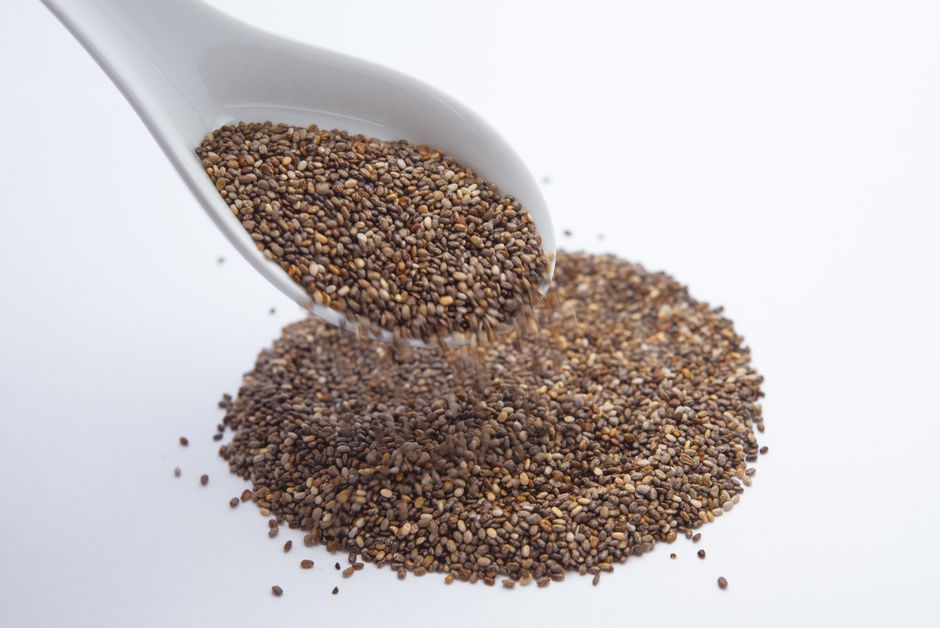
Chia seeds are small black or white seeds from the Salvia hispanica plant, and they are one of the most nutrient-dense foods you can add to a daily diet. The primary benefits come from their unique combination of soluble fiber, plant-based omega-3 fatty acids, and high-quality protein. Studies have found that regular consumption can support digestive health, help stabilize blood sugar after meals, and provide a steady source of energy without the crash associated with refined carbohydrates.
What Are the Main Nutritional Benefits of Chia Seeds?
Chia seeds deliver a remarkable amount of nutrition in a very small serving. A standard two-tablespoon serving contains roughly 140 calories, 5 grams of protein, and 10 grams of fiber. That fiber content is exceptionally high when compared to most other whole foods.
The seeds are also one of the best plant-based sources of alpha-linolenic acid (ALA), a type of omega-3 fatty acid. Unlike the omega-3s found in fish oil, ALA must be converted by your body into the active forms it can use, a process that is not very efficient. Still, the ALA in chia seeds contributes meaningfully to your overall omega-3 intake.
Chia seeds provide significant amounts of calcium, magnesium, phosphorus, and manganese. For people who do not consume dairy, chia seeds offer a practical way to increase calcium intake without relying on supplements.
How Do Chia Seeds Support Digestive Health?
The fiber in chia seeds is mostly soluble fiber. When this fiber meets water, it forms a gel-like substance in your digestive tract. This gel slows the movement of food through your stomach and small intestine, which helps you feel full for longer and promotes regular bowel movements.
This same gel-forming property means chia seeds absorb several times their weight in water. If you eat them dry without adequate fluid, they can absorb water from your digestive tract and potentially cause constipation or blockages in rare cases. Always soak chia seeds in liquid before eating, or drink plenty of water alongside them.
The fiber also acts as a prebiotic, feeding the beneficial bacteria that live in your colon. A healthy population of gut bacteria is associated with better digestion, improved immune function, and even mood regulation, though research on the full scope of these effects is still developing.
What Benefits From Chia Seeds for Blood Sugar Control?
The gel that chia seeds form in your stomach slows the breakdown of carbohydrates into sugar. This means glucose enters your bloodstream more gradually than it would after eating refined grains or sugary foods. Some clinical studies have shown that adding chia seeds to a high-carbohydrate meal reduces the post-meal spike in blood sugar.
These effects are most relevant for people with type 2 diabetes or prediabetes, but they apply to anyone who wants more stable energy levels throughout the day. A meal containing chia seeds is less likely to cause the rapid energy high followed by a mid-afternoon crash.
It is important to note that chia seeds do not lower blood sugar on their own. They blunt the rise that would otherwise occur from the carbohydrates in the same meal. The evidence for this effect is consistent, but the magnitude is modest and should not replace prescribed diabetes medications.



Can Chia Seeds Help With Weight Management?
Chia seeds can support weight management, but not through any unique fat-burning mechanism. Their benefit comes from satiety. The combination of soluble fiber, protein, and water absorption creates physical fullness that can help you eat fewer calories at subsequent meals.
One small study found that participants who consumed chia seeds in yogurt at breakfast reported significantly reduced hunger for the next three hours. However, longer-term trials have not shown consistent weight loss results. A twelve-week study published in a peer-reviewed journal found no significant difference in weight loss between participants who consumed chia seeds daily and those given a placebo.
This distinction matters. Chia seeds are a useful tool in a weight management plan because they replace less nutritious calorie sources and help control appetite. They are not a standalone weight loss solution.
Are Chia Seeds a Good Source of Omega-3 Fatty Acids?
Chia seeds are among the richest plant sources of ALA omega-3 fatty acids. Just one ounce provides about 5 grams of ALA, which exceeds the daily adequate intake recommendation for adults. This makes them valuable for vegetarians and vegans who do not consume fish.
Your body converts ALA to eicosapentaenoic acid (EPA) and docosahexaenoic acid (DHA), the forms that reduce inflammation and support brain and heart health. This conversion rate is low, typically estimated at 5-10% for EPA and 2-5% for DHA. For this reason, chia seeds should not be considered equivalent to fish oil for raising blood levels of EPA and DHA.
Research on ALA itself, separate from its conversion products, shows associations with reduced cardiovascular risk. Population studies have linked higher ALA intake with lower rates of fatal heart disease. The evidence supports including chia seeds as part of a heart-healthy diet, but not as a substitute for marine omega-3s if those are specifically recommended by your doctor.
How Should You Eat Chia Seeds Safely?
Chia seeds are versatile and require no cooking. They have a mild, nutty flavor that does not overpower other foods. The most common preparation is chia pudding, made by soaking the seeds in milk or a plant-based alternative overnight until they form a thick, tapioca-like texture.
You can also sprinkle dry chia seeds over oatmeal, salads, or yogurt, though you should ensure you drink fluids with these meals. Adding a tablespoon to smoothies is a popular option because the seeds thicken the drink slightly without changing the flavor.
Ground chia seeds are an effective egg substitute in baking. Mix one tablespoon of ground seeds with three tablespoons of water and let it sit for five minutes to form a gel that binds ingredients together. This works well in muffins, pancakes, and quick breads.
Start with one tablespoon per day and increase gradually. A sudden large increase in fiber intake can cause bloating, gas, or abdominal discomfort. Most people tolerate two tablespoons daily without issues.
Are There Any Risks or Side Effects?
Chia seeds are safe for most people when consumed in normal food amounts. The most significant risk is choking or esophageal blockage if dry seeds are swallowed without liquid. Because chia seeds expand rapidly in water, they can form a gel that obstructs the throat. This is a genuine risk, especially for older adults or people who have difficulty swallowing.
People taking blood-thinning medications should be aware that high doses of ALA may theoretically enhance the effects of these drugs. No large trials have confirmed a dangerous interaction, but discussing your chia intake with your doctor is reasonable if you take warfarin or similar medications.
Chia seeds contain phytates, compounds that can slightly reduce the absorption of certain minerals like iron and zinc. This effect is not significant enough to cause deficiency in people eating a varied diet. Soaking or grinding the seeds reduces phytate content and improves nutrient availability.
Are Chia Seeds Better Than Flaxseeds?
Chia seeds and flaxseeds have similar nutritional profiles, and neither is clearly superior. Both are excellent sources of fiber and ALA omega-3s. Flaxseeds contain lignans, which are plant compounds with antioxidant properties, while chia seeds contain more calcium and phosphorus per serving.
The practical differences matter more. Flaxseeds must be ground before consumption because whole seeds pass through your digestive tract undigested. Chia seeds can be eaten whole because their outer shell breaks down during soaking. Chia seeds also have a longer shelf life and do not require refrigeration after opening.
Many people choose based on texture preference. Chia seeds form a distinct gel and maintain a slight crunch even when soaked. Ground flaxseed has a finer texture that blends invisibly into baked goods and smoothies. Including both in your diet provides the widest range of nutrients.
Who Should Not Eat Chia Seeds?
Most people can safely include chia seeds in their diet. People with a known allergy to chia seeds, which is rare but documented, should avoid them entirely. Symptoms can range from mild skin reactions to anaphylaxis.
Individuals with a history of bowel obstruction, severe gastroparesis, or inflammatory bowel disease should consult a doctor before adding chia seeds to their diet. The high fiber content can aggravate these conditions, particularly if the seeds are not thoroughly soaked.
Pregnant and breastfeeding women can eat chia seeds as part of a normal diet. No clinical guidelines currently exist for specific chia seed intake during pregnancy, so standard food amounts are appropriate. As with any food, moderation is the guiding principle.
Frequently Asked Questions
How much chia seeds should I eat per day?
Two tablespoons per day is a common and safe amount for most adults. Start with one tablespoon and increase gradually to avoid digestive discomfort.
Do chia seeds need to be soaked before eating?
Soaking is not strictly required, but it is recommended. Dry chia seeds can absorb water from your throat or digestive tract and pose a choking risk if not consumed with plenty of fluid.
Can chia seeds help you lose weight?
Chia seeds can help control appetite and reduce calorie intake at meals. Long-term weight loss trials have not shown dramatic effects, so they work best as part of an overall healthy eating pattern.
Are chia seeds safe to eat every day?
Yes, daily consumption is safe for most people. The key is to drink adequate fluids and increase your intake gradually so your digestive system can adjust.
