
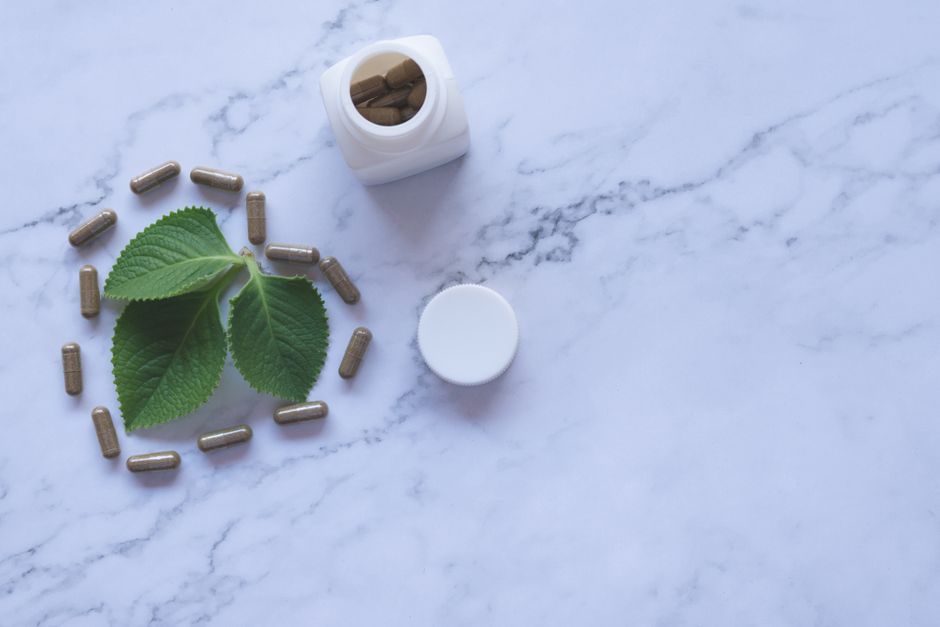
Ashwagandha is an herb used for centuries in traditional Ayurvedic medicine, and modern research has identified several areas where it shows genuine promise. Most notably, clinical studies have found that ashwagandha can help reduce stress and anxiety, improve sleep quality, and may support physical strength and athletic performance. While the evidence is stronger in some areas than others, ashwagandha has become one of the most studied herbal supplements for stress-related concerns in recent years.
What Is Ashwagandha and How Does It Work?
Ashwagandha is a small shrub native to India and parts of Africa. Its root and leaves are dried and ground into powder or extracted into supplements. The name means “smell of horse” in Sanskrit, referring to both the root’s odor and the traditional belief that it imparts the strength of a horse.
The active compounds are called withanolides. These naturally occurring steroids are thought to be responsible for most of the herb’s effects on the body. Scientists believe ashwagandha works partly by influencing the hypothalamic-pituitary-adrenal (HPA) axis, which controls your stress response and cortisol production.
It is classified as an adaptogen. Adaptogens are substances that supposedly help the body resist physical and mental stress. The concept comes from traditional medicine, and modern research is still working to understand exactly how these compounds interact with human physiology.
Can Ashwagandha Reduce Stress and Anxiety?
This is the area where ashwagandha has the strongest evidence. Multiple randomized controlled trials have found that people taking ashwagandha extract report lower stress scores than those taking a placebo.
The mechanism appears to involve cortisol. Cortisol is your primary stress hormone, and chronic stress keeps it elevated. Several studies have measured cortisol levels in saliva or blood and found that ashwagandha supplementation was associated with reductions compared to placebo groups.
One review of clinical trials concluded that ashwagandha may be effective for reducing stress and anxiety symptoms. However, the quality of the studies varies. Some had small sample sizes or short durations. Larger, longer-term trials are still needed to confirm how well it works across different populations.
For people with diagnosed anxiety disorders, ashwagandha should not replace standard treatments like cognitive behavioral therapy or medications. The evidence supports it as a potential aid for everyday stress, not as a substitute for professional mental health care. If you have an anxiety disorder, speak with your doctor before adding any supplement to your routine.
How Does Ashwagandha Affect Sleep?
Research suggests ashwagandha can improve sleep quality, particularly in people who report poor sleep. Some studies have found that participants taking ashwagandha fall asleep faster and report feeling more rested upon waking.
The sleep benefit may be connected to the stress-reducing effects. When cortisol levels drop and the nervous system calms down, falling asleep becomes easier. Some researchers also believe ashwagandha interacts with GABA receptors in the brain, which are involved in promoting relaxation and sleep.
One clinical trial specifically looked at people with insomnia and found that ashwagandha extract improved several sleep measures, including sleep onset latency — the time it takes to fall asleep. Participants also reported better sleep quality overall compared to placebo.
Most sleep studies used a dose of 300 to 600 mg of standardized extract taken daily. Some trials divided the dose between morning and evening. The evidence generally shows improvements within a few weeks, not overnight.




What Are the Physical Performance Benefits?
Athletes and fitness enthusiasts have taken interest in ashwagandha for its potential effects on strength and endurance. The evidence here is modest but promising.
Several small trials have examined ashwagandha in healthy men performing resistance training. Some found greater increases in muscle strength and size compared to placebo groups. Others reported improvements in cardiorespiratory endurance, meaning participants could exercise longer before fatigue set in.
The proposed mechanism involves several pathways. Ashwagandha may reduce exercise-induced muscle damage, lower markers of inflammation, and improve oxygen utilization during physical activity. Some research also suggests it can increase testosterone levels in men, though the clinical significance of this effect is unclear.
These studies were small and mostly involved healthy, physically active men. Whether similar benefits apply to women, older adults, or people with chronic health conditions is not well established. If you are training seriously, ashwagandha might offer a modest edge, but it will not replace proper nutrition, sleep, and a well-designed training program.
Does Ashwagandha Support Male Fertility?
Some research suggests ashwagandha may benefit male reproductive health. Studies have examined its effects on sperm quality and testosterone levels in men with low sperm counts.
One clinical trial involved men with oligospermia, a condition characterized by low sperm concentration. After taking ashwagandha for 90 days, participants showed increases in sperm count, semen volume, and sperm motility compared to baseline. Sperm morphology, or shape, also improved.
The antioxidant properties of ashwagandha may play a role here. Oxidative stress can damage sperm DNA and impair fertility. By reducing oxidative stress in the reproductive tract, ashwagandha may protect sperm cells from damage.
This research is promising but limited. Most studies involved men with diagnosed fertility issues, not the general population. If you are concerned about fertility, consult a reproductive specialist rather than relying on supplements alone.
How Should You Take Ashwagandha?
Ashwagandha is available in several forms, including capsules, powders, and liquid extracts. The most common form in clinical studies is a standardized root extract standardized to contain a specific percentage of withanolides, typically around 5 percent.
Doses in clinical trials generally ranged from 300 to 600 mg of extract taken once or twice daily. Some studies used higher doses, but the evidence for additional benefit is limited. Powders are less standardized, and dosing depends on the concentration of active compounds, which varies by product.
When choosing a supplement, look for products that list the withanolide content on the label. Third-party testing seals indicate that an independent lab verified the product contains what the label claims. The FDA does not regulate supplements for safety or efficacy before they reach the market, so quality varies considerably between brands.
Take ashwagandha consistently for at least four to eight weeks before judging whether it works for you. Most clinical trials lasted at least eight weeks before measuring outcomes.
What Are the Side Effects and Risks?
Ashwagandha is generally well tolerated in clinical trials. The most commonly reported side effects are mild and include stomach upset, loose stools, and drowsiness.
Certain people should avoid ashwagandha or use it only under medical supervision. Pregnant women should not take it because some animal studies suggest it may cause miscarriage. No clinical guidelines currently exist for ashwagandha use during breastfeeding, so it is safest to avoid it.
People with autoimmune conditions such as rheumatoid arthritis, lupus, or Hashimoto’s thyroiditis should speak with their doctor first. Ashwagandha may stimulate immune activity, which could theoretically worsen autoimmune conditions. Research in this area is limited, but the caution is warranted.
Ashwagandha can interact with certain medications. It may enhance the effects of thyroid hormone replacement, sedatives, and medications for diabetes or high blood pressure. If you take any prescription medication, review supplement use with your pharmacist or doctor.
People scheduled for surgery should stop taking ashwagandha at least two weeks beforehand. It may interact with anesthesia and affect blood sugar control during the procedure.
What Does the Evidence Not Support?
Marketing claims about ashwagandha often exceed what research actually shows. No study has confirmed that ashwagandha cures any disease or replaces standard medical treatment.
Claims about thyroid support are mixed. Some studies found that ashwagandha increased thyroid hormone levels in people with subclinical hypothyroidism, but other research has not replicated these findings. The evidence is not strong enough to recommend ashwagandha for thyroid conditions.
Some sources claim ashwagandha boosts immunity or fights cancer based on laboratory studies. These findings involve isolated cells or animals and do not translate to humans. No clinical evidence currently confirms these effects in people.
Weight loss claims are similarly unsupported. Some studies noted small changes in body composition among participants, but the primary outcome was never weight loss. Do not expect ashwagandha to produce meaningful weight changes.
Frequently Asked Questions
How long does it take for ashwagandha to work?
Most clinical trials measured benefits after four to eight weeks of daily use. Some people notice stress relief sooner, but consistent daily use is necessary for reliable effects.
Can I take ashwagandha every day?
Clinical trials typically used daily dosing for up to three months without serious side effects. Long-term safety beyond several months is not well established, so periodic breaks are a reasonable approach.
Does ashwagandha interact with antidepressants?
Limited data exists on this combination. Ashwagandha may enhance sedative effects of certain medications, so discuss it with your prescribing doctor before combining it with any psychiatric medication.
What is the best time of day to take ashwagandha?
If you take it for sleep, evening dosing makes sense. If you take it for stress or energy, morning dosing is common. Some studies divided the dose between morning and evening. Choose the schedule that fits your primary goal.
