
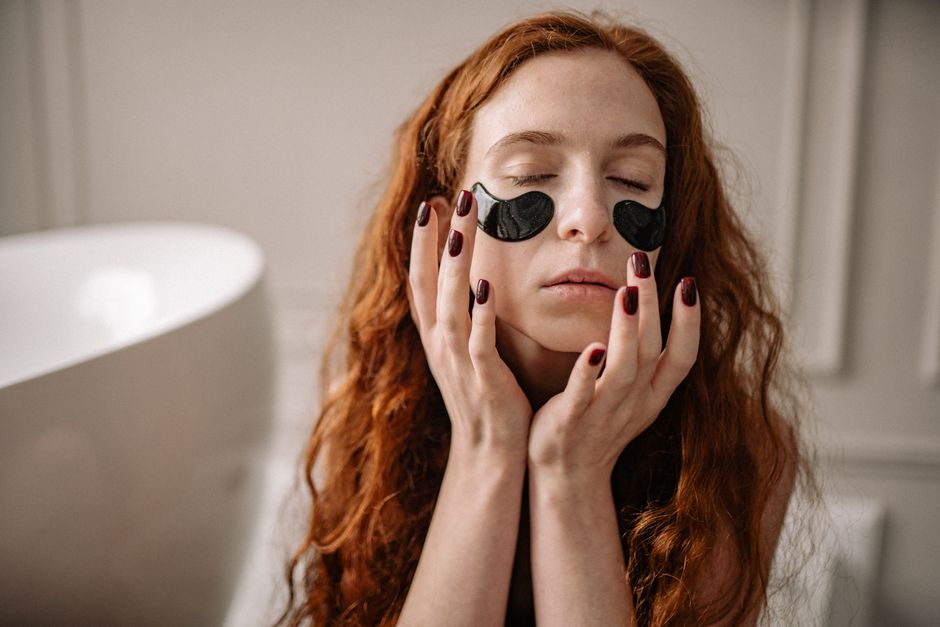
Wide set eyes, also called hypertelorism, is a condition where the eyes are spaced further apart than typical. For most people, this is simply a normal facial feature they are born with. In some cases, it can be a sign of an underlying genetic condition, but for the vast majority, it is not a medical problem at all. This article explains what causes wide set eyes, what signs to look for, and what treatment options exist, if any are needed.
What Exactly Are Wide Set Eyes?
Wide set eyes refer to an increased distance between the inner corners of the eyes. Doctors measure this distance, called interorbital distance, and compare it to standard growth charts. When this measurement falls above the 95th percentile for a person’s age and sex, it is considered hypertelorism.
Many people with wide set eyes have no other health issues. It is just how their face developed. The term “hypertelorism” sounds serious, but it is a description of a physical trait, not a disease. The key question is whether the wide spacing is an isolated feature or part of a broader pattern.
True hypertelorism is different from telecanthus. Telecanthus is when the inner corners of the eyes are wide apart but the actual eye sockets are normally spaced. Hypertelorism involves the entire bony eye socket being positioned wider than usual. A doctor can tell the difference with a simple physical exam and sometimes imaging.
What Causes Wide Set Eyes?
The causes of wide set eyes fall into two main categories. The first is normal genetic variation. Just as some people have wider noses or larger ears, some have wider spaced eyes. This is not a medical condition. It is simply a normal human variation.
The second category involves underlying conditions that affect skull and facial bone development during pregnancy. The bones of the skull and face fuse and grow in a specific sequence in the womb. If something disrupts this process, the eye sockets can end up positioned too far apart.
Several specific genetic syndromes are associated with hypertelorism. The most well-known is frontonasal dysplasia, a condition where the front of the skull and face do not fuse properly. Other conditions include craniosynostosis syndromes like Apert syndrome, Crouzon syndrome, and Pfeiffer syndrome, where the skull bones fuse too early. Noonan syndrome and 22q11.2 deletion syndrome (DiGeorge syndrome) can also feature wide set eyes as one of several physical signs.
Research published in the American Journal of Medical Genetics has identified specific gene mutations linked to these conditions. But it is important to remember that these syndromes are rare. The vast majority of people with wide set eyes do not have any of these conditions.
There is no evidence that anything a parent does during pregnancy causes wide set eyes. It is not caused by diet, stress, medications, or lifestyle choices. When it happens as part of a syndrome, it is due to a random genetic change that occurs very early in development.
What Signs and Symptoms Accompany Wide Set Eyes?
When wide set eyes are an isolated normal trait, there are no other symptoms. The eyes work fine. Vision is normal. There is no pain or discomfort. The only sign is the physical appearance of wider spacing.
When wide set eyes are part of a genetic syndrome, other signs are almost always present. These can include:
- A broad or high forehead
- A flat nasal bridge or a wide nasal root
- Downward slanting eyelid openings
- A cleft lip or cleft palate
- Unusually shaped skull
- Developmental delays or intellectual disability
- Hearing loss
- Heart defects
The presence of multiple features together is what raises concern. A single feature like wide set eyes, by itself, is rarely a problem. The CDC notes that most babies born with a cleft lip or palate, for example, have no other abnormalities. But when a cleft occurs alongside hypertelorism, it raises the chance of an underlying syndrome.
One important clarification: wide set eyes do not cause vision problems. The eyes themselves are typically healthy. If vision issues exist, they are due to the underlying condition, not the eye spacing itself.



How Is Wide Set Eyes Diagnosed?
Diagnosis begins with measurement. A doctor measures the distance between the inner corners of the eyes and plots it on a growth chart. This is a simple, painless part of a routine physical exam.
If the measurement is significantly above normal, the doctor will look for other physical features. They will check the shape of the skull, the position of the ears, the palate, and the hands and feet. They will ask about developmental milestones and any family history of genetic conditions.
When an underlying syndrome is suspected, the next step is often a referral to a geneticist. Genetic testing can identify specific gene mutations. The American College of Medical Genetics and Genomics recommends genetic testing when hypertelorism is accompanied by two or more other congenital anomalies or developmental delays.
Imaging studies like CT scans or X-rays can show the bony structure of the skull and confirm true hypertelorism versus telecanthus. These are not needed for most people. They are reserved for cases where surgery is being considered or when a complex syndrome is suspected.
What Treatment Options Exist for Wide Set Eyes?
For the vast majority of people, no treatment is needed. Wide set eyes that are a normal variation require no medical intervention. They do not affect health, vision, or function in any way.
When treatment is considered, it is almost always for one of two reasons: correcting a functional problem from an underlying syndrome, or cosmetic surgery for appearance.
Surgical treatment is major surgery. It involves moving the eye sockets closer together by cutting and repositioning the bones of the face and skull. This is called orbital hypertelorism correction. It is performed by a specialized craniofacial surgeon and requires a hospital stay and recovery time. This surgery is only done when the wide spacing is severe and causing functional problems or significant psychological distress.
The table below compares the two main surgical approaches:
| Surgical Approach | What It Does | Typical Recovery | Who It Is For |
|---|---|---|---|
| Intracranial approach | Requires opening the skull to move the eye sockets. Used for severe cases. | Several weeks. Hospital stay of 5-7 days. | Children with severe hypertelorism from genetic syndromes |
| Extracranial approach | Moves the eye sockets without opening the skull. Used for moderate cases. | Shorter recovery. Hospital stay of 3-5 days. | Older children and adults with moderate hypertelorism |
These surgeries carry risks including infection, bleeding, nerve damage, and asymmetry. They are not done lightly. The decision is made by a team that includes a craniofacial surgeon, neurosurgeon, ophthalmologist, and geneticist.
For people who are bothered by the appearance of wide set eyes but do not want or need surgery, there are no non-surgical treatments that change the bone structure. Makeup techniques can create the illusion of closer-set eyes, but they do not change the actual spacing. Some people find that hairstyles or glasses can balance facial proportions.
Common Misconceptions About Wide Set Eyes
One of the most persistent myths is that wide set eyes are a sign of high intelligence or special abilities. There is no evidence for this. Eye spacing has no correlation with intelligence, creativity, or any cognitive trait. This idea comes from old pseudoscience, not real research.
Another misconception is that wide set eyes always indicate a genetic syndrome. As discussed, most people with wide set eyes have no underlying condition. The fear that a child with wide set eyes must have a serious disorder is usually unfounded. A pediatrician can quickly determine if further evaluation is needed.
Some people believe that wide set eyes can be corrected with glasses, eye exercises, or vision therapy. These do not change bone structure. The bones of the face are fully formed by adulthood and cannot be altered by external pressure or exercises. Only surgery can change the actual distance between the eyes.
There is also a myth that wide set eyes cause vision problems like double vision or lazy eye. While some genetic syndromes that include hypertelorism can also affect vision, the wide spacing itself does not cause these issues. Vision problems, if present, are due to the underlying condition, not the eye position.
Frequently Asked Questions
Can wide set eyes be corrected without surgery?
No. The only way to change the actual bone spacing is through surgery. Makeup and hairstyles can alter appearance, but they do not change the underlying structure.
Are wide set eyes always a sign of a genetic disorder?
No. Most people with wide set eyes have a normal variation with no underlying condition. A doctor can determine if further testing is needed.
Do wide set eyes affect vision?
No. The eye spacing itself does not cause vision problems. If vision issues exist, they are due to an underlying condition, not the spacing.
At what age is surgery for wide set eyes performed?
Surgery is typically done after age 5-7 when facial bone growth is more stable. It is rarely performed in younger children unless there are functional problems.
