
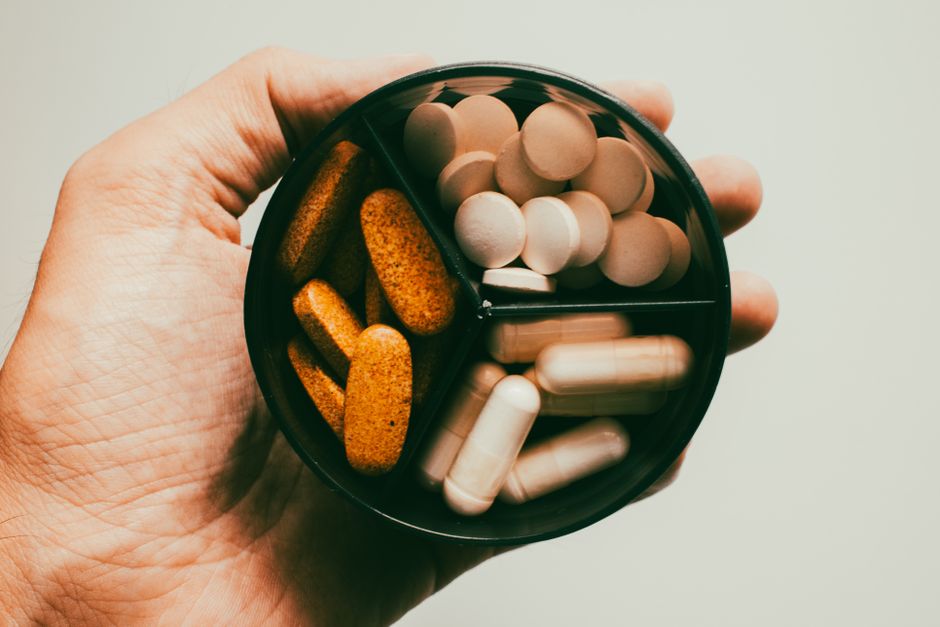
Hair grows from follicles that are among the most metabolically active structures in the body. They need a steady supply of energy, protein, and specific micronutrients to keep cycling through growth, rest, and shedding. Vitamins that matter most for hair growth are vitamin D, the B vitamins — especially biotin, B12, and folate — plus vitamins A, C, and E. Iron and zinc are minerals rather than vitamins, but they matter just as much.
Here is the part most articles skip. In people who are not deficient, vitamin supplements have not been shown to make hair grow faster or thicker. The evidence supports correcting a deficiency. It does not support routine supplementation as a growth booster.
What Are Vitamins That Help Hair Growth?
Vitamins support hair growth by enabling the chemical reactions that build hair fiber and feed the follicle. Hair is mostly keratin, a protein. Making it requires energy, oxygen delivery, and cofactors that vitamins provide.
The vitamins with the clearest roles in hair biology are:
- Biotin (B7): a cofactor for enzymes involved in keratin production
- Vitamin D: involved in the hair growth cycle; the vitamin D receptor is expressed in hair follicles
- Vitamin B12 and folate: needed for cell division, including the rapid division inside hair follicles
- Vitamin A: helps skin glands, including scalp glands, function and renew
- Vitamin C: required for collagen production and for absorbing iron
- Vitamin E: a fat-soluble antioxidant that protects cells from oxidative stress
This list describes biological roles, not proven benefits from taking supplements. That distinction matters more than anything else in this article.
Does Taking Vitamins Actually Make Hair Grow?
For people with a diagnosed deficiency, correcting it can restore normal hair growth. For people with normal nutrient levels, the evidence that extra vitamins help is weak.
Most studies linking vitamins to hair growth fall into two groups. The first looks at people with deficiencies, where correction clearly helps. The second looks at people with common pattern hair loss or telogen effluvium (temporary shedding after stress or illness), where supplement results have been mixed and often modest.
Some research suggests certain supplement combinations may help in specific types of hair loss. Results vary by study, and many trials are small or funded by supplement makers. No large, independent trial has shown that multivitamins make hair grow faster in well-nourished adults.
One practical point: the body regulates most water-soluble vitamins and excretes the excess. That means “more” does not mean “better.” It also means a supplement is unlikely to add anything if your levels are already normal.
Which Vitamin Deficiencies Cause Hair Loss?
Several deficiencies are linked to hair shedding, and each has a different mechanism. The link is best established for iron, zinc, and the B vitamins. It is plausible but less firmly proven for vitamin D.
Iron deficiency is one of the most studied contributors to hair loss, particularly in women. Iron is needed to carry oxygen to the follicle. Low iron stores can trigger telogen effluvium, a diffuse shedding that appears weeks to months after the shortfall begins. Ferritin, a marker of stored iron, is often checked in people with unexplained shedding.
Zinc deficiency can cause hair loss and slow wound healing. Zinc is involved in cell division and protein synthesis, both central to hair growth.
Vitamin B12 and folate deficiency impair cell division. Because hair follicles divide rapidly, they can be affected early.
Vitamin D has been associated with several types of hair loss in observational studies. The direction of cause and effect is not fully settled. Low vitamin D is common, and whether raising it improves hair growth is still an open question.
Biotin deficiency is rare in people eating a normal diet. When it does occur, it causes hair loss along with skin and nail changes. Most biotin supplements sold for hair are aimed at people who are not deficient.
Should You Take a Hair Growth Supplement?
Talk to a clinician before starting a supplement for hair loss. Testing first is the more reliable path. A blood test can show whether iron, ferritin, vitamin D, B12, or thyroid function is off.
Hair loss has many causes beyond nutrition. Thyroid disease, hormonal changes, autoimmune conditions, certain medications, and genetics all play roles. A supplement will not fix a cause it does not address. Pattern hair loss, for example, is driven largely by genetics and hormones, not nutrient levels.
There is also a safety issue specific to biotin. High-dose biotin can interfere with certain lab tests, including some thyroid and cardiac tests, producing misleading results. If you take biotin, tell any clinician ordering blood work.
Some clinicians recommend a trial of a hair supplement when a deficiency is suspected but testing is unavailable. That is common practice, not the same as strong trial evidence.
Can You Get These Vitamins From Food Instead?
Food sources cover these nutrients well for most people, and food is the preferred route when levels are normal. A varied diet supplies the vitamins hair follicles need without the risk of excess.
| Nutrient | Common food sources |
|---|---|
| Biotin | Eggs, nuts, seeds, salmon, sweet potato |
| Vitamin D | Fatty fish, egg yolks, fortified milk; sunlight exposure |
| Vitamin B12 | Meat, fish, eggs, dairy, fortified cereals |
| Folate | Leafy greens, beans, lentils, fortified grains |
| Vitamin A | Carrots, sweet potato, spinach, liver, eggs |
| Vitamin C | Citrus, peppers, strawberries, broccoli |
| Vitamin E | Nuts, seeds, vegetable oils, spinach |
Vitamin D is the exception worth noting. Sunlight exposure helps the skin make it, but production varies with skin tone, season, latitude, and sunscreen use. Many people do not get enough from sun and food alone, which is why testing is often recommended before supplementing.
For B12, people who eat little or no animal products are at higher risk of deficiency. So are some older adults, because absorption declines with age.
What Else Affects Hair Growth Besides Vitamins?
Protein intake matters as much as any vitamin. Hair is protein, and a diet low in protein can slow growth and increase shedding. Most US adults get enough, but restrictive diets can fall short.
Thyroid function, hormones, and stress all influence the hair cycle. Telogen effluvium often follows illness, surgery, major weight loss, or severe stress. It usually resolves over months as the trigger passes, though regrowth takes time.
Genetics drive pattern hair loss in both men and women. No vitamin corrects a genetic predisposition. Treatments for pattern hair loss exist, but they work through different mechanisms than nutrition does.
Sleep, smoking, and certain medications also affect hair. The picture is broader than any single nutrient. A clinician can help sort out which factors apply to you.
Frequently Asked Questions
What vitamin is most important for hair growth?
No single vitamin stands above the rest, but iron, zinc, and the B vitamins have the strongest links to hair loss when deficient. Vitamin D is also involved in the hair cycle, though the benefit of supplementing it for growth is less certain.
Does biotin really help hair growth?
Biotin helps only if you are deficient, which is rare in people eating a normal diet. No large trial has shown that biotin supplements make hair grow faster in people with normal levels.
Can vitamin deficiency cause hair loss?
Yes. Deficiencies in iron, zinc, vitamin B12, folate, and biotin are linked to hair shedding. Correcting the deficiency usually restores normal growth, though regrowth takes months.
Should I get tested before taking hair vitamins?
Yes, testing is the more reliable approach. A blood test can show whether iron, ferritin, vitamin D, B12, or thyroid function is off, so you treat the actual cause rather than guessing.
