
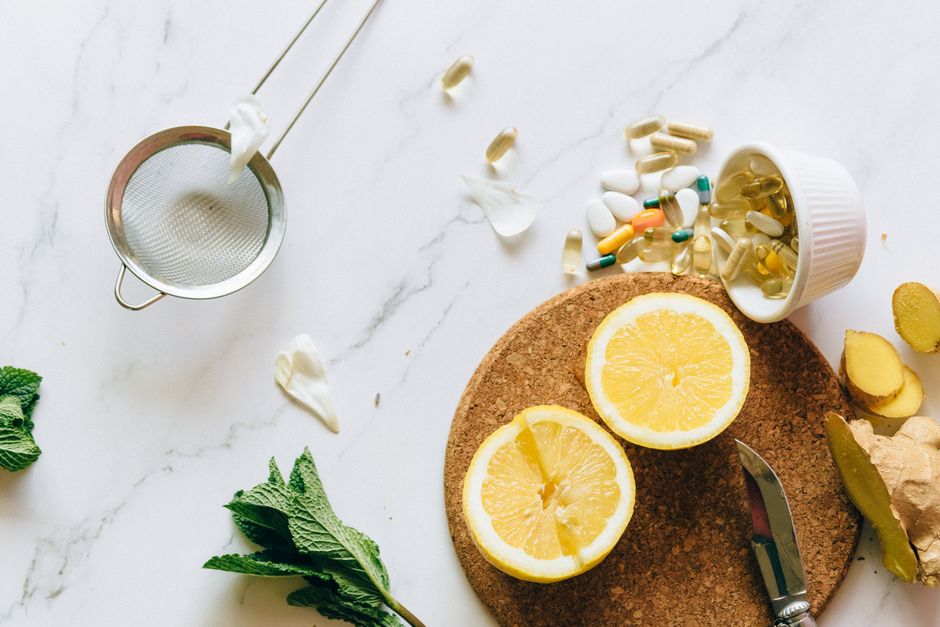
Vitamin C foods are simply foods that contain high amounts of vitamin C, also known as ascorbic acid. Your body needs this nutrient to make collagen, heal wounds, and support your immune system. Because your body cannot make vitamin C on its own, you must get it from your diet every day. The best sources are fruits and vegetables, especially citrus fruits, berries, and certain leafy greens.
Why Does Your Body Need Vitamin C?
Vitamin C is a water-soluble vitamin, which means your body does not store it. Any extra amount you consume leaves your body through urine. This is why you need a regular supply from food or supplements.
The main job of vitamin C is to help your body produce collagen. Collagen is a protein that gives structure to your skin, tendons, ligaments, and blood vessels. Without enough vitamin C, your body cannot properly repair wounds or maintain healthy tissues.
Vitamin C also acts as an antioxidant. Antioxidants protect your cells from damage caused by free radicals, which are unstable molecules your body produces naturally. Over time, this damage is linked to aging and chronic diseases.
Finally, vitamin C helps your body absorb iron from plant-based foods. This is particularly important for people who do not eat meat, since plant iron is harder for the body to absorb than animal iron.
What Are the Best Vitamin C Foods?
Many people think oranges are the top source of vitamin C. While oranges are excellent, they are not the highest. Several other foods contain significantly more vitamin C per serving.
Here are some of the richest natural sources:
- Red bell peppers – A single medium pepper contains more vitamin C than an orange.
- Kiwi – One medium kiwi provides about 70 mg of vitamin C.
- Strawberries – A cup of sliced strawberries offers around 90 mg.
- Broccoli – One cup of cooked broccoli gives you about 100 mg.
- Brussels sprouts – A cup of cooked Brussels sprouts provides about 75 mg.
- Oranges – One medium orange contains about 70 mg.
- Papaya – One cup of cubed papaya offers about 88 mg.
- Guava – This fruit is one of the most concentrated sources, with about 125 mg per half cup.
These amounts are based on standard USDA nutritional data. Cooking can reduce vitamin C content because it is sensitive to heat. Eating these foods raw or lightly cooked preserves the most vitamin C.
How Much Vitamin C Do You Need?
The recommended daily amount for adult men is 90 mg per day. For adult women, it is 75 mg per day. Women who are pregnant need 85 mg daily, and women who are breastfeeding need 120 mg daily.
People who smoke need more vitamin C. Smoking increases oxidative stress and depletes vitamin C in the body. The recommendation for smokers is an additional 35 mg per day beyond the standard amount.
Most people easily meet these goals by eating a varied diet with fruits and vegetables. For example, one orange and one cup of strawberries together provide over 160 mg, which is more than enough for an entire day.
Your body can absorb vitamin C efficiently at moderate doses. When you consume very large amounts in one sitting, absorption rates drop. This is why spreading your intake across meals is more effective than taking one massive dose.





Can You Get Too Much Vitamin C?
Vitamin C is generally safe because your body excretes excess amounts. However, very high doses can cause digestive problems. Diarrhea, nausea, and stomach cramps are the most common side effects of taking too much.
The upper limit for adults is 2,000 mg per day from both food and supplements combined. This limit is based on the point where digestive symptoms become likely. It is very difficult to reach this amount through food alone. You would need to eat about 28 oranges in one day.
Supplements are where people typically exceed this limit. High-dose vitamin C supplements often contain 1,000 mg or more per pill. Taking several of these throughout the day can quickly add up.
One important note: vitamin C supplements are not proven to prevent the common cold. Some research suggests they may slightly shorten the duration of a cold if taken regularly, but they do not stop you from catching one. Taking a large dose only after symptoms start does not appear to help.
Does Vitamin C Prevent or Cure Disease?
Vitamin C is often promoted as a cure for various conditions. The evidence does not support most of these claims.
The most famous claim is that high doses of vitamin C can treat cancer. This idea began in the 1970s and has been studied multiple times since. Large controlled trials have not shown that high-dose vitamin C improves cancer outcomes. Some small studies are exploring intravenous vitamin C in combination with standard treatments, but no major clinical guidelines recommend this approach.
For heart disease, the evidence is also limited. Vitamin C’s antioxidant properties suggest it might protect blood vessels. However, large studies have not confirmed that taking vitamin C supplements reduces heart attacks or strokes. Eating a diet rich in fruits and vegetables is associated with lower heart disease risk, but this likely comes from the whole food pattern, not vitamin C alone.
One condition where vitamin C is clearly essential is scurvy. Scurvy is caused by severe vitamin C deficiency and can be fatal if untreated. Symptoms include fatigue, gum bleeding, joint pain, and poor wound healing. Scurvy is rare in modern developed countries but can occur in people with severely restricted diets.
The honest position is this: vitamin C is essential for health, but taking large supplements does not prevent serious diseases. A balanced diet with adequate vitamin C is what matters most.
How to Keep Vitamin C in Your Food
Vitamin C is fragile. Heat, light, and air all break it down over time. How you store and prepare food affects how much vitamin C you actually get.
Here are practical tips to preserve vitamin C:
- Eat raw – Raw fruits and vegetables contain the most vitamin C.
- Steam instead of boil – Boiling leaches vitamin C into the water. Steaming or microwaving with minimal water preserves more.
- Cut just before eating – Cutting increases surface area exposed to air, which speeds up vitamin C loss.
- Buy fresh and eat quickly – Vitamin C content declines during storage. Fresher produce has more.
- Store in the fridge – Cold temperatures slow down vitamin C breakdown.
Frozen vegetables can be a good option. They are usually processed quickly after harvest, which locks in nutrients. In some cases, frozen produce contains more vitamin C than fresh produce that has sat on a shelf for days.
Who Is at Risk of Vitamin C Deficiency?
Most people in developed countries get enough vitamin C. But certain groups are at higher risk.
People who smoke have lower vitamin C levels because smoking increases oxidative stress. Heavy alcohol use can also interfere with nutrient absorption. People with eating disorders or very restrictive diets may not get enough. Older adults with limited food variety can also fall short.
Severe deficiency is rare, but mild deficiency is more common than many realize. Symptoms of low vitamin C include fatigue, irritability, and easy bruising. These are vague symptoms that could have many causes, so deficiency is not always recognized.
If you are concerned about your vitamin C intake, the simplest fix is to add more fruits and vegetables to your meals. A supplement is not necessary for most people who eat a varied diet. If you do choose a supplement, standard doses of 100 to 200 mg per day are reasonable and safe for most adults.
Frequently Asked Questions
What fruit has the most vitamin C?
Guava has one of the highest concentrations, with about 125 mg per half cup. Red bell peppers are actually higher than any fruit, but among fruits, guava and kiwi are top contenders.
Is it better to get vitamin C from food or supplements?
Food is better because whole fruits and vegetables provide fiber and other nutrients alongside vitamin C. Supplements are fine for people who cannot meet their needs through diet, but they do not offer the same benefits as whole foods.
Can vitamin C prevent colds?
No, vitamin C does not prevent colds. Some research suggests regular daily intake may slightly shorten a cold’s duration, but it will not stop you from getting sick.
Does cooking destroy vitamin C?
Yes, heat breaks down vitamin C. Boiling is the worst method because the vitamin leaches into the water. Steaming or eating foods raw preserves the most vitamin C.
