
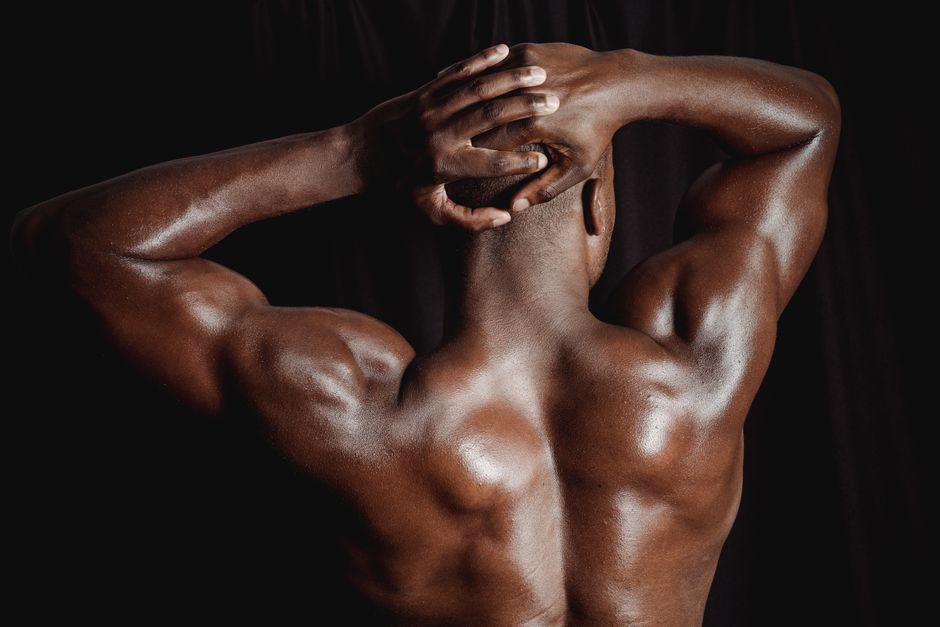
Your body contains over 600 muscles, but they all fall into just three categories. The three types of muscles are skeletal muscle, smooth muscle, and cardiac muscle. Each type has a distinct structure and job. Skeletal muscle moves your body voluntarily. Smooth muscle works automatically inside your organs. Cardiac muscle forms the walls of your heart and beats without you thinking about it.
What Are The Three Types Of Muscles?
The three types of muscles are skeletal, smooth, and cardiac. Skeletal muscle attaches to bones and is under voluntary control. Smooth muscle lines hollow organs like the stomach and blood vessels. Cardiac muscle exists only in the heart. These three types differ in structure, function, and how they are controlled.
Skeletal muscle is the only type you control consciously. Smooth and cardiac muscles are involuntary, meaning they work on their own. This division matters because each type responds differently to exercise, injury, and disease.
What Is Skeletal Muscle and What Does It Do?
Skeletal muscle is the muscle attached to your bones by tendons. It is the largest muscle group in your body by mass. When you lift a cup, walk up stairs, or smile, skeletal muscle is doing the work.
These muscles are striated, which means they have a striped appearance under a microscope. The stripes come from overlapping protein filaments that allow the muscle to contract with force. Skeletal muscle fibers are long, cylindrical, and multinucleated — meaning each fiber has multiple nuclei.
Skeletal muscle is voluntary. A nerve signal from your brain travels to the muscle fiber, telling it to contract. You decide when and how much to move. This control is what allows fine movements like typing and powerful movements like jumping.
Skeletal muscle also plays metabolic roles. It stores glycogen for energy and produces heat when it contracts. Shivering is skeletal muscle contracting rapidly to warm your body.
Injuries to skeletal muscle are common. Strains, tears, and overuse injuries happen when the muscle is stretched or loaded beyond its capacity. Skeletal muscle heals well because it has a good blood supply, but severe tears can take weeks to recover.
What Is Smooth Muscle and Where Is It Found?
Smooth muscle is found in the walls of hollow organs. It lines your stomach, intestines, bladder, blood vessels, and airways. It also exists in the uterus and in the iris of your eye.
Smooth muscle is non-striated. Under a microscope it looks smooth, with no stripes. The cells are spindle-shaped with a single nucleus. They contract more slowly than skeletal muscle but can sustain contractions for longer periods.
Smooth muscle is involuntary. You do not think about your stomach churning or your blood vessels constricting. The autonomic nervous system controls it, along with hormones and local chemical signals.
This type of muscle performs essential tasks you never notice. Smooth muscle in the digestive tract moves food along through peristalsis. Smooth muscle in blood vessel walls regulates blood pressure by narrowing or widening the vessels. Smooth muscle in the bladder controls urination.
Smooth muscle has a unique ability called plasticity. It can stretch and maintain tension over a wide range of lengths. This is why your stomach can expand after a large meal without damaging its walls.

What Is Cardiac Muscle and How Is It Different?
Cardiac muscle is found only in the heart. It is the muscle that pumps blood to every part of your body. Cardiac muscle is striated like skeletal muscle, but it functions involuntarily like smooth muscle.
Cardiac muscle cells are shorter and branched compared to skeletal muscle fibers. They connect end-to-end through structures called intercalated discs. These discs allow electrical signals to pass rapidly from one cell to the next, so the heart beats as one coordinated unit.
The heart has its own electrical system. Specialized cells generate electrical impulses that spread through the cardiac muscle, causing it to contract. This is why a heart can keep beating even when removed from the body, as long as it has oxygen and nutrients.
Cardiac muscle never fatigues in the way skeletal muscle does. It is designed for continuous, lifelong work. The cells contain many mitochondria to produce a constant supply of energy.
Unlike skeletal muscle, cardiac muscle has very limited ability to repair itself. When heart muscle cells die, as in a heart attack, they are replaced by scar tissue. This scar tissue cannot contract, which can weaken the heart’s pumping ability.
How Do the Three Muscle Types Compare?
The three muscle types differ in several key ways. Understanding these differences helps explain why they behave differently in health and disease.
| Feature | Skeletal Muscle | Smooth Muscle | Cardiac Muscle |
|---|---|---|---|
| Location | Attached to bones | Walls of hollow organs | Heart |
| Control | Voluntary | Involuntary | Involuntary |
| Appearance | Striated | Non-striated | Striated |
| Nuclei per cell | Multiple | Single | Single |
| Contraction speed | Fast | Slow | Moderate |
| Fatigue resistance | Varies by fiber type | High | Very high |
| Regeneration ability | Good | Good | Very limited |
Skeletal muscle tires quickly during intense exercise but recovers with rest. Smooth muscle contracts slowly but can maintain tension for hours. Cardiac muscle works constantly without rest for your entire life.
Why Does It Matter Which Muscle Type Is Involved?
Different diseases affect different muscle types. Knowing which type is involved helps doctors diagnose conditions and predict outcomes.
Muscular dystrophy primarily affects skeletal muscle. People with this condition lose strength and mobility as skeletal muscle progressively weakens. The heart can also be affected in some forms.
Asthma involves smooth muscle. The airways are lined with smooth muscle that constricts during an asthma attack, making it hard to breathe. Asthma medications work by relaxing this smooth muscle.
Heart failure involves cardiac muscle. When cardiac muscle weakens, the heart cannot pump enough blood to meet the body’s needs. This leads to symptoms like shortness of breath and swelling in the legs.
Some conditions affect multiple muscle types. Autoimmune diseases like lupus can cause inflammation in skeletal muscle, smooth muscle, and cardiac muscle. The pattern of symptoms helps doctors determine which muscle types are involved.
How Does Exercise Affect Each Muscle Type?
Exercise affects skeletal muscle most directly. Resistance training causes skeletal muscle fibers to grow larger and stronger. This process is called hypertrophy. Aerobic exercise improves the endurance of skeletal muscle by increasing its blood supply and mitochondrial content.
Smooth muscle responds to exercise too, though less obviously. Regular aerobic exercise helps blood vessel smooth muscle become more responsive. This can lower blood pressure over time.
Cardiac muscle also adapts to exercise. Endurance training causes the heart to enlarge slightly and pump more blood per beat. This is a healthy adaptation, different from the dangerous enlargement seen in heart failure.
Exercise does not convert one muscle type into another. Skeletal muscle stays skeletal. Smooth muscle stays smooth. Cardiac muscle stays cardiac. Training improves the function of each type within its own limits.
Can Muscle Types Be Damaged or Lost?
Yes, all three muscle types can be damaged. The causes and consequences differ by type.
Skeletal muscle is lost with aging in a process called sarcopenia. Muscle mass and strength decline gradually after middle age. Resistance training can slow or partially reverse this loss.
Smooth muscle can be damaged by conditions like chronic high blood pressure. Over time, the smooth muscle in blood vessel walls thickens and becomes stiff. This makes the vessels less able to relax and regulate blood flow.
Cardiac muscle damage is the most serious because it cannot regenerate. A heart attack kills cardiac muscle cells permanently. The remaining muscle must work harder to compensate, which can lead to further damage over time.
Prolonged inactivity affects all muscle types. Bed rest causes skeletal muscle to shrink within days. The heart also weakens with prolonged inactivity. This is why hospitalized patients are encouraged to move as soon as they are able.
Frequently Asked Questions
What is the difference between voluntary and involuntary muscles?
Voluntary muscles are under conscious control, and skeletal muscle is the only voluntary type. Involuntary muscles work automatically without conscious thought, which includes smooth and cardiac muscle.
Which muscle type is the strongest?
The masseter muscle in your jaw generates the most force relative to its size, but the gluteus maximus is the largest muscle in the body. Strength depends on how you measure it, and no single muscle is universally the strongest.
Can you build more muscle cells through exercise?
Exercise causes existing skeletal muscle fibers to grow larger, but it does not create new muscle cells in most people. The number of muscle fibers is largely set at birth, though some research suggests minor increases may occur under extreme training conditions.
Why does cardiac muscle not get tired?
Cardiac muscle contains many mitochondria and receives a constant supply of oxygen-rich blood. It is designed for continuous rhythmic contraction and has mechanisms to use energy efficiently, allowing it to beat without fatigue for a lifetime.
