
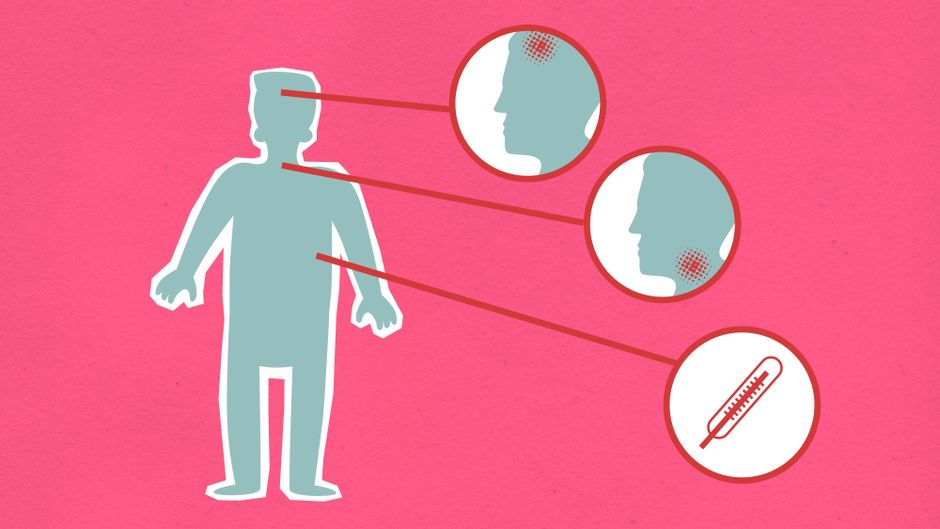
Thyroid problems in females often show up as fatigue that sleep does not fix, unexplained weight changes, feeling unusually cold or hot, hair thinning, and menstrual cycles that become heavier, lighter, or irregular. Because the thyroid controls how fast every cell in the body works, symptoms can appear almost anywhere — which is exactly why they are so often mistaken for stress, aging, or depression. Females are several times more likely than males to develop thyroid disease, and the symptoms can be subtle at first and easy to dismiss.
What Are The Symptoms Of Thyroid Problems In Females?
There is no single symptom list, because the thyroid can fail in two opposite directions. An underactive thyroid (hypothyroidism) slows the body down. An overactive thyroid (hyperthyroidism) speeds it up. Many symptoms are mirror images of each other.
Common symptoms of an underactive thyroid include:
- Fatigue and sluggishness that rest does not relieve
- Feeling cold when others are comfortable
- Weight gain, often modest and not explained by eating habits
- Dry skin, brittle nails, and hair thinning or loss
- Constipation
- Low mood or depression
- Heavier or longer menstrual periods
- Slowed thinking or trouble concentrating
- Puffy face, especially around the eyes
Common symptoms of an overactive thyroid include:
- Rapid or irregular heartbeat
- Weight loss despite a normal or increased appetite
- Feeling hot and sweating more than usual
- Anxiety, irritability, or a racing mind
- Tremor in the hands
- Lighter, shorter, or less frequent periods
- Difficulty sleeping
- Frequent bowel movements
- Muscle weakness, especially in the upper arms and thighs
Both conditions can also cause a swollen thyroid gland, called a goiter, and both can affect fertility. Symptoms tend to develop slowly in hypothyroidism and more abruptly in hyperthyroidism. Some people have thyroid antibodies in their blood with normal hormone levels and still feel unwell — this is a distinct situation that requires its own evaluation.
Why Are Females More Likely To Have Thyroid Problems?
Females develop thyroid disease far more often than males, and the reasons are not fully understood. The strongest known factor is the immune system. Autoimmune thyroid conditions — Hashimoto’s disease (which causes hypothyroidism) and Graves’ disease (which causes hyperthyroidism) — are the most common causes in the United States, and autoimmune diseases in general are more common in females.
Sex hormones appear to play a role. Thyroid disease often first appears or flares during puberty, pregnancy, and the years around menopause, when estrogen and progesterone levels shift. Pregnancy itself is a known trigger for thyroid problems in some women, both during and after pregnancy.
Genetics matter too. Having a parent or sibling with thyroid disease raises your risk. So does having another autoimmune condition, such as type 1 diabetes, celiac disease, or lupus.
How Do Thyroid Symptoms Differ From Menopause Symptoms?
This is one of the most confusing overlaps in women’s health, and it is a genuine diagnostic problem rather than a simple misunderstanding. Hot flashes, mood changes, sleep problems, fatigue, and irregular periods can all be caused by perimenopause or by a thyroid disorder. The symptoms can look nearly identical.
There is no reliable way to tell them apart from symptoms alone. The only way to know is a blood test. This matters because the two conditions are treated very differently, and untreated thyroid disease during midlife can quietly worsen heart health, bone density, and cholesterol levels over time.
One point worth stating plainly: menopause does not cause thyroid disease, and thyroid disease does not cause menopause. They simply happen to overlap in age and in symptoms. If you are in your 40s or 50s and feel off, it is reasonable to ask your clinician whether thyroid testing makes sense alongside a discussion of perimenopause.





What Does Thyroid Disease Do To Menstrual Cycles And Fertility?
Thyroid hormones interact directly with the reproductive system, so both too much and too little thyroid hormone can disrupt the menstrual cycle. In hypothyroidism, periods often become heavier, longer, or more painful. In hyperthyroidism, periods often become lighter, shorter, or stop altogether for a time.
Thyroid problems can also affect ovulation. Both underactive and overactive thyroid can make it harder to conceive. This is well established. What is less certain is how much mild or “subclinical” thyroid dysfunction affects fertility — the evidence here is mixed, and clinicians do not all agree on when treatment is warranted in that situation.
During pregnancy, untreated thyroid disease is a real concern. It has been linked to complications for both mother and baby, which is why thyroid testing is a standard part of prenatal care for women at higher risk. If you are pregnant or trying to conceive and have thyroid symptoms or a family history, that is worth raising with your doctor early.
When Should You See A Doctor About Thyroid Symptoms?
See a clinician if you have several of the symptoms above that persist for more than a few weeks, especially if they are new or getting worse. A single symptom on its own is rarely meaningful. A cluster of symptoms that fit together is more telling.
Get evaluated promptly if you notice:
- A visible or palpable lump or swelling in the neck
- Difficulty swallowing or breathing
- A persistently hoarse voice
- A rapid or irregular heartbeat
- Unexplained weight loss
- Severe anxiety or restlessness with physical symptoms
Testing usually starts with a blood test measuring thyroid-stimulating hormone (TSH), often alongside free T4. TSH is the pituitary gland’s signal to the thyroid, and it is the most sensitive single test for detecting thyroid dysfunction in most situations. Depending on results, your clinician may add thyroid antibody tests or imaging.
One caution worth knowing: thyroid symptoms are nonspecific. Fatigue and weight change have many possible causes, including anemia, sleep disorders, depression, and diabetes. A normal thyroid test does not mean your symptoms are not real — it means the thyroid is not the explanation, and the search should continue.
Can Thyroid Problems Be Treated?
Yes. Hypothyroidism is generally treated with daily thyroid hormone replacement, most commonly levothyroxine. For most people, this restores hormone levels to normal and relieves symptoms over weeks to a few months, though some people continue to have lingering symptoms even with normal lab values. That gap between lab numbers and how a person feels is real and widely acknowledged in clinical practice.
Hyperthyroidism has several treatment options, including antithyroid medications, radioactive iodine, and surgery. The right choice depends on the cause, your age, whether you are pregnant or planning pregnancy, and other health factors. These are decisions to make with an endocrinologist or your primary clinician, not from a general article.
What is not supported by good evidence is the use of over-the-counter “thyroid support” supplements to treat diagnosed thyroid disease. These products are not regulated the same way as prescription medication, and some contain iodine or thyroid extract in amounts that can interfere with treatment or cause harm. If you take one, tell your clinician.
What Makes Thyroid Symptoms Easy To Miss?
Thyroid symptoms develop gradually and overlap with so many everyday experiences that they rarely announce themselves. A woman who is tired, gaining a little weight, feeling cold, and having heavier periods may reasonably assume she is stressed, aging, or simply not sleeping enough. That assumption can delay diagnosis by months or years.
The other reason is that thyroid symptoms are not specific. There is no single symptom that points unmistakably to the thyroid. Diagnosis depends on putting the pattern together and confirming it with a blood test — not on any one complaint.
This is why awareness matters more than self-diagnosis. Knowing the symptom pattern helps you ask the right question. It does not replace testing.
Frequently Asked Questions
What are the first signs of a thyroid problem in females?
The earliest signs are often vague tiredness, feeling colder than usual, and changes in menstrual flow or timing. Because these are easy to attribute to stress or aging, many women do not realize anything is wrong until several symptoms stack up.
Can thyroid problems cause anxiety and mood changes?
Yes. An overactive thyroid commonly causes anxiety, irritability, and restlessness, while an underactive thyroid is more often linked to low mood and slowed thinking. Mood symptoms alone cannot distinguish thyroid disease from a primary mental health condition, so testing is the only way to know.
Do thyroid symptoms in females differ from males?
The core symptoms are largely the same, but females have menstrual and fertility effects that males do not. Females are also several times more likely to develop thyroid disease in the first place.
Can you have thyroid problems with normal blood test results?
It is possible to have thyroid antibodies with normal hormone levels, and some people in that situation still have symptoms. However, a normal TSH and free T4 generally means the thyroid is not the cause of the symptoms, and other explanations should be explored.
