
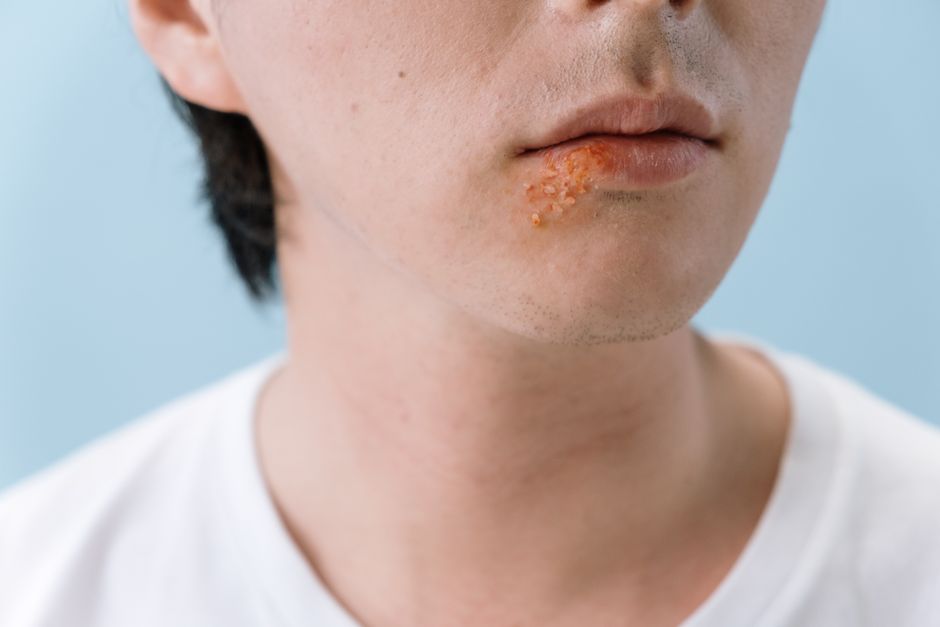
Aspergillus is a mold found almost everywhere — in soil, on plants, in dust, and in the air inside most buildings. It can cause skin problems, but this is uncommon. When it does happen, the symptoms usually include a red or brown patch, small bumps or pustules, itching, and sometimes a crusty or scaly surface. The exact look depends on how the mold got into the skin and how the body reacts to it.
Most people breathe in Aspergillus spores every day without any problem. The immune system clears them. Skin involvement is a different situation. It usually requires the mold to enter through a break in the skin, or it happens in people whose immune defenses are weakened. That context matters, because the appearance of Aspergillus on skin is not the same from one person to the next.
What Are The Symptoms Of Aspergillus On Skin?
There is no single rash that defines skin aspergillosis. The symptoms fall into a few patterns, and they overlap with many other skin conditions. That overlap is the main reason this infection is easy to miss.
Common features described in the medical literature include:
- Red, pink, or brown patches that may slowly enlarge
- Small bumps, pustules, or nodules at the site
- Itching, which can be mild or intense
- Scaling, crusting, or a rough surface
- In some cases, small ulcers or areas that do not heal
- Lesions that appear along a wound, surgical site, or where tape or a dressing was applied
One feature clinicians pay attention to is a lesion that keeps coming back or does not respond to ordinary antifungal creams. That pattern raises the question of an unusual organism rather than a common one like a dermatophyte.
It is also worth knowing that the color of a skin lesion is not a reliable clue on its own. A brown or black speckled appearance can come from many causes, including simple bruising, pigmentation, or other infections. Visual appearance alone cannot confirm Aspergillus.
How Does Aspergillus Get Into The Skin?
Skin is a strong barrier. For Aspergillus to cause a skin infection, it generally needs a way in. There are three main routes, and understanding them explains why this infection is rare.
Direct inoculation
Spores enter through a cut, scrape, burn, surgical wound, or injection site. This is the most direct route. It can happen after trauma involving soil or plant material, or after a medical procedure. Cases have been reported following wounds contaminated with dust or debris.
Spread from nearby or distant sites
In people with invasive aspergillosis — usually those with severely weakened immune systems — the mold can spread through the bloodstream and land in the skin. Skin lesions in this setting can be an early visible sign of a deeper infection. This is the most serious scenario and the one that needs urgent medical attention.
Secondary involvement
Sometimes Aspergillus colonizes skin that is already damaged by another condition, such as a chronic wound or a burn. The mold is not necessarily the original cause of the problem, but it can complicate healing.
The key point is that healthy, intact skin is rarely affected. When skin aspergillosis occurs in a person with a normal immune system, there is usually a clear break in the skin or a specific exposure.
Who Is At Higher Risk?
The people most likely to develop skin aspergillosis are those whose immune defenses are reduced. This includes people receiving chemotherapy, organ transplant recipients, and people with prolonged low white blood cell counts. It also includes people with advanced immune suppression from other causes.
People with diabetes, especially with poorly controlled blood sugar, may be more vulnerable to wound infections in general. Whether that specifically raises the risk of Aspergillus skin infection is less clearly established.
People who work with soil, compost, or decaying plant material and have frequent minor skin injuries may have more exposure. That said, exposure is not the same as infection. Most gardeners and farmers never develop this problem.
It is important not to overstate risk. The great majority of people — including those with weakened immune systems — never develop Aspergillus on the skin. The infection is uncommon even in high-risk groups.
How Is It Told Apart From Other Skin Conditions?
This is the practical difficulty. Aspergillus skin lesions can resemble eczema, psoriasis, bacterial infections, or other fungal infections. They can also look like insect bites or minor trauma that is not healing.
Doctors do not diagnose this by appearance. Confirmation requires a sample. A skin biopsy or a scraping can be examined under a microscope and sent for culture. Culture is the standard way to identify the organism, though it can take time and does not always grow.
Some clinicians also use imaging or blood tests when deeper infection is suspected. The choice depends on the person’s immune status and how the lesion looks and behaves.
A useful rule of thumb: a skin problem that is not improving after reasonable treatment, especially in someone with a weakened immune system, deserves a closer look rather than repeated trials of the same cream.
What Does Treatment Usually Involve?
Treatment depends on the type and severity of the infection. This is not a condition to self-treat. Antifungal creams sold over the counter are not designed for Aspergillus and are unlikely to help.
For limited skin infection in a person with a normal immune system, some clinicians use oral antifungal medication. For more serious or spreading infection, treatment is given intravenously in a hospital setting. The specific drug and duration are decisions for a doctor based on the person’s situation.
Surgical removal of affected tissue is sometimes needed for wounds that do not heal. This is more common when the infection involves deeper tissue or a chronic wound.
I want to be clear about the limits of the evidence here. Skin aspergillosis is uncommon, and large clinical trials comparing treatments specifically for skin involvement do not exist. Much of clinical practice is based on experience with invasive aspergillosis more broadly and on case reports. That is the honest state of the evidence.
When Should You See A Doctor?
See a doctor for any skin lesion that is growing, not healing, or appearing in someone with a weakened immune system. That last point matters most. In people with reduced immunity, a new skin lesion can be an early sign of a serious infection and should be checked promptly.
Also seek care if a wound becomes increasingly painful, drains, or develops spreading redness. These signs are not specific to Aspergillus, but they warrant medical evaluation regardless of the cause.
For most people with a minor rash, there is no emergency. The concern is mainly about persistent or unusual lesions, particularly in those at higher risk. A doctor can decide whether a sample is needed.
What About Prevention?
There is no vaccine and no proven way to prevent skin aspergillosis in the general population. For people with weakened immune systems, doctors often advise reducing exposure to mold and dust, especially during periods of very low immunity. This can include avoiding construction dust and damp, moldy environments.
For everyone else, basic wound care is the most practical step. Clean minor cuts and keep them covered. Wear gloves when gardening or handling soil, compost, or plant debris. These measures reduce the chance of any wound infection, not just Aspergillus.
I would caution against overstating prevention claims. No study has shown that a specific cleaning product or routine prevents Aspergillus skin infection. The sensible approach is ordinary wound hygiene and avoiding unnecessary exposure when immunity is low.
What This Means For You
Aspergillus on the skin is uncommon, and its symptoms are not distinctive. Red patches, bumps, itching, and scaling can have many causes. The context — a break in the skin, a wound, or a weakened immune system — is often more informative than the appearance alone.
If a skin problem is persistent or you have reason to think your immune system is compromised, get it looked at. Do not assume it is a simple rash that will pass. And do not assume it is Aspergillus either. Only testing can tell.
Frequently Asked Questions
Can Aspergillus cause a rash on skin?
Yes, but it is uncommon. When it happens, it usually appears as red or brown patches, bumps, or scaly areas, often at a site of skin injury or in people with weakened immune systems.
How do you know if a skin infection is fungal?
You cannot tell reliably from appearance alone. A doctor confirms a fungal infection by examining a skin scraping or biopsy sample under a microscope or sending it for culture.
Is Aspergillus on skin contagious?
No, it does not spread from person to person. Aspergillus is acquired from the environment, typically through a break in the skin or, in serious cases, through the bloodstream.
What does skin aspergillosis look like?
It can look like red or brown patches, small bumps, pustules, or crusty areas, sometimes with itching. Because it resembles many other conditions, only a sample test can confirm it.
